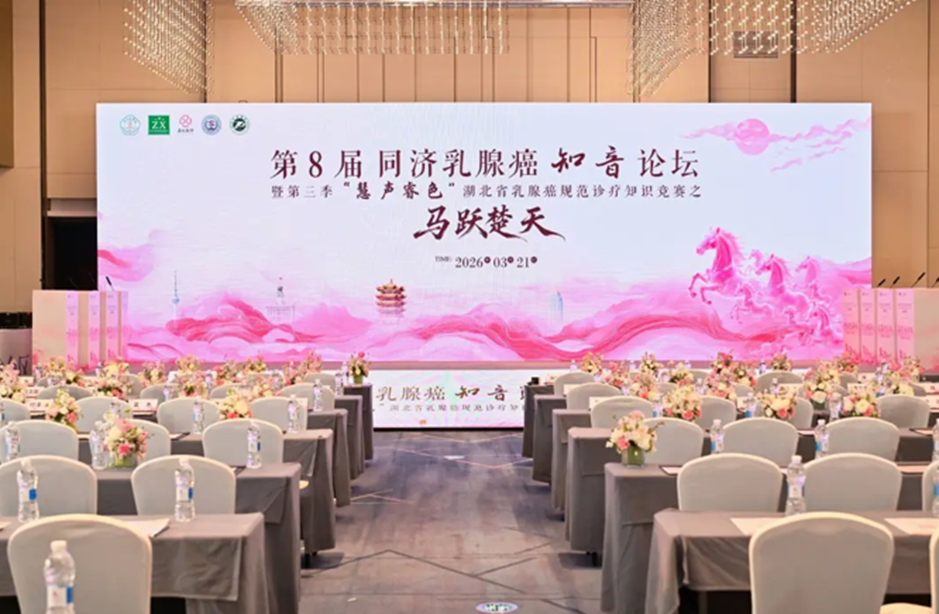
With the arrival of spring, the 8th Tongji Breast Cancer Forum was successfully convened, focusing on key topics including clinical needs, cutting-edge advances, grassroots implementation, and the development of young physicians. The meeting not only built a bridge for in-depth dialogue between leading experts and frontline clinicians, but also offered fresh perspectives on integrating clinical practice with the latest scientific progress.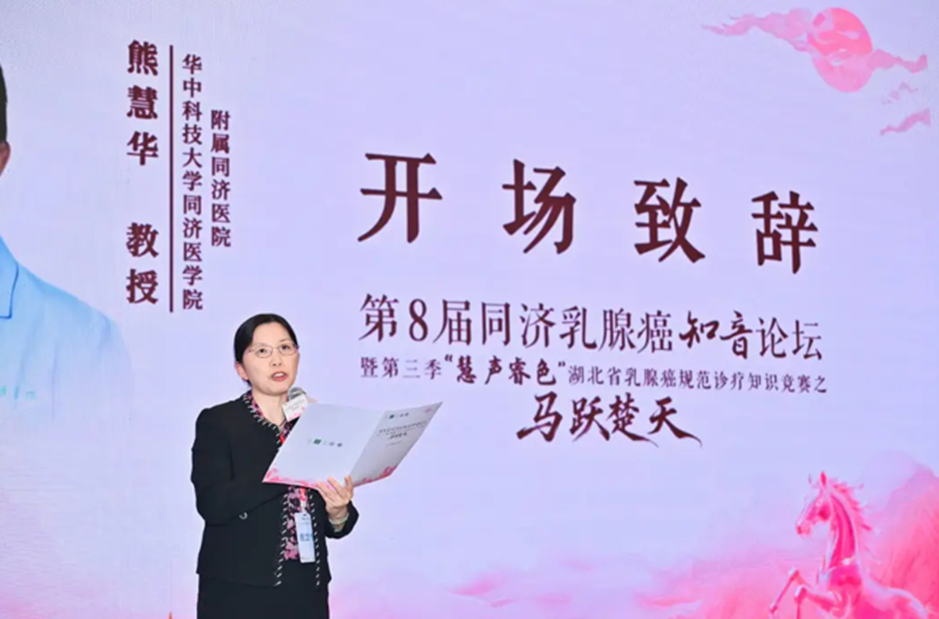
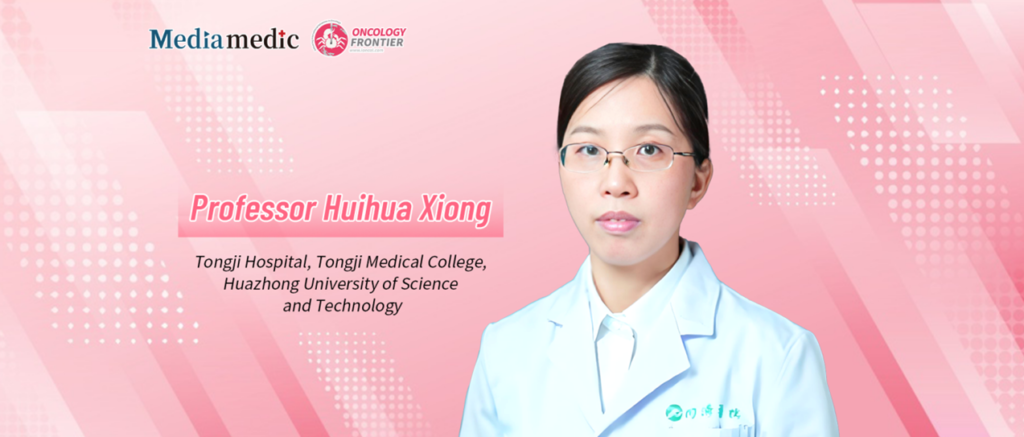
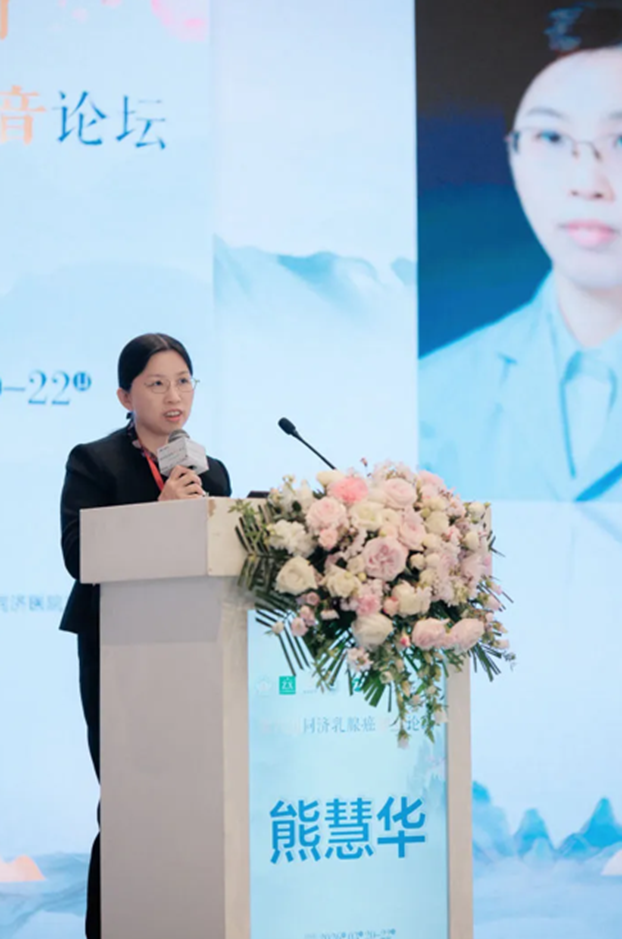
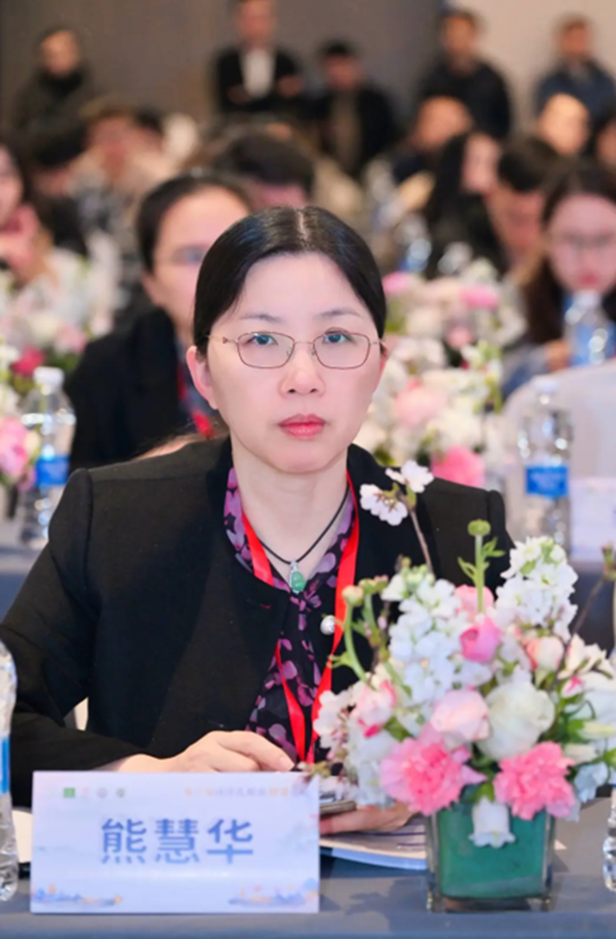
Oncology Frontier invited the conference chair, Professor Huihua Xiong from Tongji Hospital, Tongji Medical College, Huazhong University of Science and Technology, to share key insights.
Precision-oriented program design bridging clinical practice and innovation
Oncology Frontier: As Chair of the 8th Tongji Breast Cancer Forum, could you highlight the key features and innovations of this year’s program?
Professor Huihua Xiong: The forum was structured around clinical needs, frontier advances, grassroots implementation, and humanistic care, with several distinctive highlights.
First, the program design was highly targeted. Six main plenary sessions were complemented by specialized tracks covering supportive care, HR+ breast cancer clinical practice and research, nursing, and the CSCO patient education competition. These sessions spanned the full continuum of breast cancer management, ensuring that clinicians from medical oncology, surgery, radiation oncology, nursing, and primary care could all find relevant content. Importantly, we also emphasized patient education by enhancing clinicians’ science communication skills through dedicated competitions.
From an academic perspective, we achieved a dual focus on “classic review and frontier exploration.” We addressed pressing clinical challenges such as systemic therapy for advanced breast cancer, advances in radiotherapy, and key issues in HER2-targeted therapy. At the same time, we systematically reviewed major research developments in 2025 across medical, surgical, and radiation oncology, including expert consensus on ADC toxicity management and the integration of radiotherapy with novel agents. This approach helps clinicians better understand current standards while promoting the integration of innovation into practice.
We also placed strong emphasis on patient education and women’s health. The CSCO patient education competition brought together physicians from grassroots hospitals across Hubei Province, with expert feedback to enhance communication skills. In addition, we launched the China Women’s Oncology Care Initiative and released a national blue paper on supportive care needs, extending patient care beyond treatment to include rehabilitation and psychological support.
Interactive formats were another key highlight. We moved beyond the traditional one-way lecture model by introducing debate sessions, “open mic” discussions, and collaborative case analysis. The “Huisheng Ruise” breast cancer knowledge competition further combined professional knowledge with public education skills, creating a highly engaging academic atmosphere.
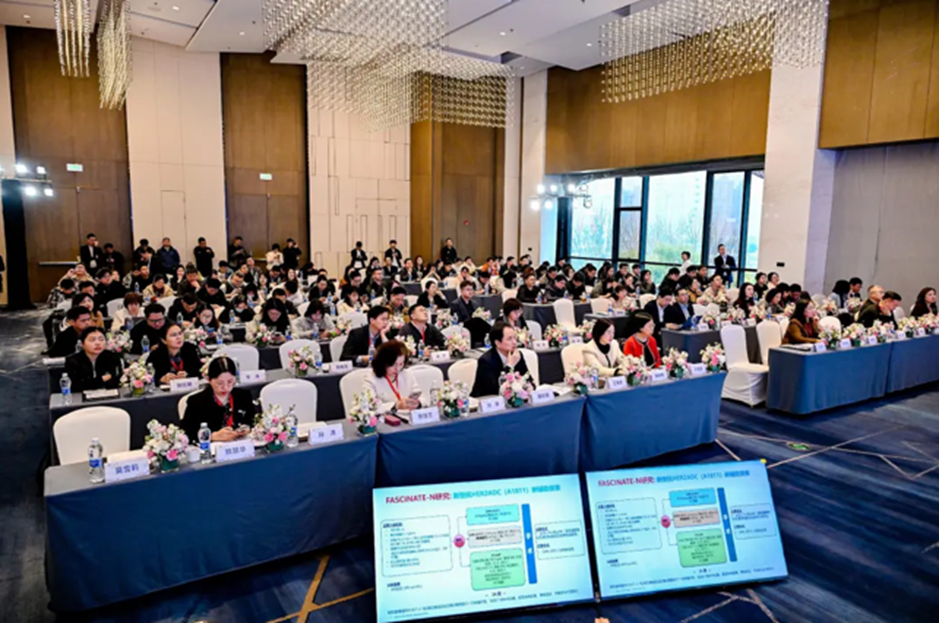
Finally, the forum brought together leading experts across China, including academicians Jinming Yu, Ding Ma, and Binghe Xu, alongside numerous renowned specialists. With participation from over 200 grassroots physicians, the forum effectively connected national-level expertise with regional clinical needs.
From regional platform to national influence: driving collaboration and talent development
Oncology Frontier: As a long-standing academic event, how has the forum contributed to regional care, multicenter collaboration, and the development of young physicians? What are your expectations for its future?
Professor Huihua Xiong: Over the past eight years, the forum has evolved from a regional initiative into a nationally influential academic platform. Its core mission has remained unchanged: to serve clinical practice, support grassroots development, and unite the field.
In terms of regional care, we have consistently focused on grassroots needs. By combining expert-led guideline interpretation with annual clinical reviews and dedicated education sessions, we have helped disseminate standardized treatment approaches across Hubei Province. The “Huisheng Ruise” competition has further promoted guideline adherence through a “learning through competition” model.
For multicenter collaboration, the forum has created a platform connecting leading national experts, regional specialists, and grassroots clinicians. Initiatives such as the Women’s Oncology Care Program and the publication of the blue paper have strengthened collaboration across institutions, laying the groundwork for future multicenter research and shared clinical experience.
Talent development, particularly for young physicians, is a major priority. Dedicated sessions featuring original research presentations, clinical debates, and TED-style talks provide opportunities for expression and critical thinking. Through competitions and team-based activities, young doctors develop both clinical expertise and collaborative skills, gaining comprehensive training in clinical practice, research thinking, and science communication.
Looking ahead, we will continue to uphold the core principles of precision care, humanistic medicine, and science communication empowerment. We aim to further expand training opportunities for young physicians, strengthen collaboration with government and social organizations, and enhance public awareness of women’s health.
Balancing innovation and clinical reality: challenges in ADC and AI implementation
Oncology Frontier: With the rapid development of ADCs and AI in pathology, what are the main challenges in clinical implementation? How should clinicians balance innovation with established therapies?
Professor Huihua Xiong: While ADCs and AI are transforming breast cancer care, their real-world implementation still faces several challenges.
First, the increasing diversity of ADCs—targeting HER2, Trop-2, and beyond—means that patient selection, combination strategies, and toxicity management vary significantly. While expert guidelines provide direction, practical mastery requires time and clinical experience.
Second, effective use of these therapies often depends on multidisciplinary team (MDT) collaboration. However, many grassroots hospitals lack fully developed MDT systems, limiting optimal integration of new treatments.
Clinicians should therefore take a proactive approach: continuously update their knowledge, apply individualized treatment strategies based on patient condition and socioeconomic factors, and rely on MDT discussions to integrate ADCs with conventional therapies. Additionally, generating real-world evidence will be critical to support broader clinical adoption.
Interactive learning models: a new paradigm for clinical problem-solving and training
Oncology Frontier: The forum introduced interactive formats such as “open mic” discussions and collaborative case analysis. What value do these models bring?
Professor Huihua Xiong: These formats fundamentally transform academic exchange from passive listening to active participation.
First, they bring together diverse perspectives to address real clinical challenges, particularly in emerging fields such as ADC therapy and AI. Multidisciplinary discussions allow for more comprehensive and practical solutions.
Second, case-based discussions recreate real-world clinical scenarios, making learning more intuitive and applicable. By analyzing both real and AI-simulated cases, clinicians can better understand decision-making processes and apply these insights in practice.
Finally, these platforms empower young physicians. They encourage open expression, broaden clinical perspectives, and foster teamwork and multidisciplinary collaboration—skills that are essential for modern oncology practice.
Expert profile

Huihua Xiong, MD Tongji Hospital, Tongji Medical College
Huazhong University of Science and Technology