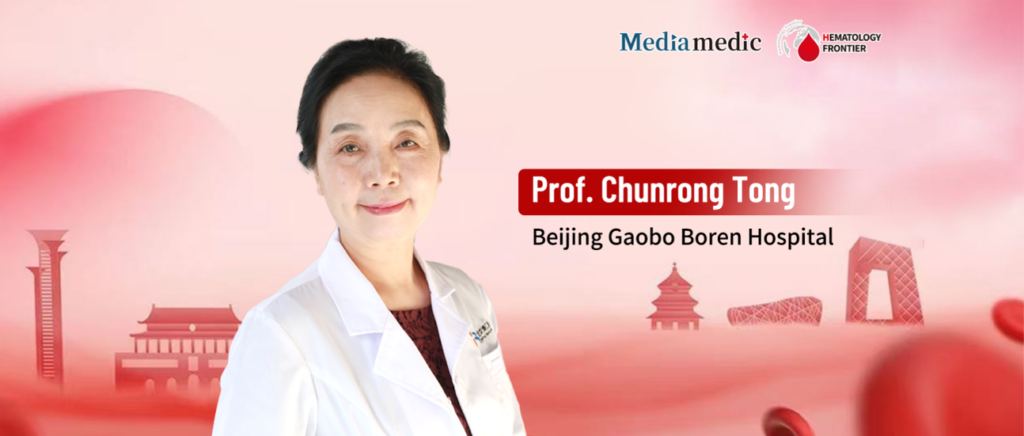
To further advance scientific research and clinical practice in hematologic malignancies in China and to establish a high-level academic exchange platform, the 2026 Boren Precision Hematologic Oncology Conference officially opened in Beijing on May 16 in a hybrid online-offline format. The conference was jointly hosted by the Beijing Association for the Promotion of Integrated Traditional Chinese and Western Medicine in Chronic Disease Prevention and the Beijing Society of Bioengineering.The event gathered leading experts and scholars in hematologic oncology from across China, focusing on cutting-edge technologies, clinical experience, and future directions in the field. During the conference, Professor Tong Chunrong from Beijing Gobroad Boren Hospital shared in-depth insights during an exclusive interview, discussing integrated diagnostics, immuno-targeted therapies, CAR-T treatment strategies, and future trends in precision medicine.
Q1: Immunotherapy and targeted therapy for hematologic malignancies have now entered a “golden age” featuring CAR-T therapy, bispecific antibodies, antibody-drug conjugates (ADCs), immune checkpoint inhibitors, and more. Faced with such a diverse therapeutic arsenal, how do you select the optimal immuno-targeted strategy for different patients in clinical practice? What is your core decision-making logic?
Professor Tong Chunrong:
Today, immunotherapy and targeted therapy occupy a central position in oncology because they offer major advantages over traditional treatment modalities. Historically, cancer treatment relied primarily on surgery, chemotherapy, and radiotherapy. For hematologic malignancies, which are systemic diseases, surgery is generally not applicable, leaving chemotherapy and radiotherapy as the dominant options.
Although chemotherapy and radiotherapy are effective at killing tumor cells, they lack specificity. Chemotherapy in particular damages normal cells throughout the body, resulting in substantial treatment-related toxicity and severe physical decline in many patients. More importantly, cytotoxic chemotherapy itself may induce new chromosomal or genetic abnormalities, potentially leading to secondary or even tertiary malignancies. I have personally treated patients who developed as many as five different cancers over time.
Some leukemia cases follow a similar pattern. For example, pediatric leukemia patients who appear to “relapse” ten years later may actually develop entirely new malignancies, as chromosomal and genetic testing often reveal completely different abnormalities from those seen at the initial diagnosis.
This is one of the reasons why the international oncology community, particularly in the United States, proposed initiatives such as the “Cancer Moonshot,” which aims to reduce reliance on highly toxic treatments like chemotherapy and radiotherapy and promote therapies with fewer side effects, including immunotherapy and targeted therapy. The ultimate goal is to achieve “chemo-free” or minimally chemotherapy-dependent treatment strategies whenever possible.
At present, however, completely eliminating chemotherapy remains difficult for most hematologic malignancies because many blood cancers are still highly sensitive to it. Nevertheless, the future direction is clear: minimize chemotherapy whenever feasible.
Targeted therapy in hematology has already produced two landmark breakthroughs. The first is chronic myeloid leukemia (CML). Imatinib, which became widely known through the film Dying to Survive, was the first truly successful precision-targeted therapy in this disease. Before imatinib, most CML patients eventually required transplantation because conventional chemotherapy could not substantially prolong survival. Today, most patients can achieve long-term remission and even cure through targeted therapy alone.
The second major breakthrough occurred in acute promyelocytic leukemia (APL). When I first became a hematologist, APL was almost universally fatal. Professor Wang Zhenyi from Shanghai later discovered the remarkable efficacy of all-trans retinoic acid, and Chinese researchers subsequently identified arsenic trioxide as another highly effective agent derived from traditional medicine. Through combinations of all-trans retinoic acid, arsenic trioxide, and selective chemotherapy, cure rates for APL have now exceeded 95%.
Immunotherapy has brought another major revolution, particularly through CAR-T technology. Personally, I began exploring immune cell therapy for acute leukemia as early as 1995 and found that it could improve cure rates by more than 20%. Since 2010, CAR-T therapy has achieved remarkable success in leukemia treatment, further cementing the role of immune and targeted therapies.
Recent reports from the United States even suggest that patients with Philadelphia chromosome-positive acute lymphoblastic leukemia can now achieve cure rates exceeding 80% using combination regimens without chemotherapy.
We are therefore entering a true era of immunotherapy and targeted therapy, with an increasing emphasis on moving these treatments earlier in the disease course. For many high-risk patients, especially those with B-cell malignancies, immunotherapy and targeted therapy are now being introduced upfront. Even in acute myeloid leukemia, there are cases where patients resistant to chemotherapy achieved remission using targeted therapy alone.
These approaches generally carry fewer side effects, reduce hospitalization requirements, lower financial burden, improve cure rates, and significantly enhance quality of life.
When selecting immuno-targeted therapies today, we routinely perform extensive molecular testing, including panels covering hundreds of genetic alterations and, in some cases, whole-genome sequencing. RNA sequencing is also performed to identify fusion genes, alongside chromosomal karyotyping.
These molecular findings allow us to tailor treatment precisely. This means that patients with the same disease may require different therapies because of distinct genetic backgrounds — “same disease, different treatment.” Conversely, patients with different diseases but identical molecular targets may benefit from the same targeted therapy — “different diseases, same treatment.”
We also evaluate cell-surface antigens to determine eligibility for antibody therapy or CAR-T treatment. For example, CD19 expression is necessary for blinatumomab or CD19 CAR-T therapy. Approximately 80% of B-cell acute lymphoblastic leukemia cases express CD22, making CD22-directed therapies viable options. Similarly, most multiple myeloma cells express BCMA, which is essential for BCMA-directed therapies.
Continuous monitoring is crucial because antigen loss can occur during treatment, rendering prior therapies ineffective.
In simple terms, CAR-T cells and antibodies target cell-surface antigens, while targeted drugs address intracellular genetic abnormalities.
Beyond highly specific therapies, non-specific immunotherapies such as NK cells, CIK cells, and γδT cells can also enhance immune function and demonstrate efficacy with relatively mild toxicity. Even immune modulators like thymosin may contribute beneficially.
Importantly, even when conventional chemotherapy appears curative, it does not eradicate every tumor cell. In reality, chemotherapy reduces tumor burden to a level where the patient’s immune system can regain control and suppress residual disease. Attempting to destroy every tumor cell at all costs would also destroy the patient.
Our ultimate goal is therefore not merely tumor eradication, but durable cure with high-quality survival.
Q2: Your institution has accumulated extensive clinical experience with CAR-T therapy, especially in difficult-to-treat subtypes. Could you share some of your unique experiences regarding CAR-T trial design and clinical application, including CAR selection, bridging therapy, and toxicity management?
Professor Tong Chunrong:
Our hospital has accumulated exceptionally rich experience in CAR-T therapy and is currently among the institutions worldwide with the highest number of completed CAR-T treatments.
From 2017 through April of this year, we completed more than 5,000 CAR-T treatments. In reality, I personally began exploring CAR-T approaches as early as 2015, and if earlier experimental cases are included, the number becomes even larger.
Based on this extensive experience, we have identified three critical elements required for successful CAR-T therapy.
The first is CAR molecular design. This includes selecting antibody fragments capable of binding tumor-associated antigens with high specificity and efficiency. Viral vector selection is also extremely important, as different vector systems possess distinct characteristics. Additionally, intracellular signaling domain design — such as choosing between CD28 and 4-1BB co-stimulatory domains — directly influences CAR-T persistence and antitumor activity.
The second element is CAR-T manufacturing and ex vivo expansion. Our institution has established standardized cell culture systems, and optimized manufacturing processes are crucial for maintaining cell viability, proliferation capacity, and ultimate therapeutic efficacy.
The third critical component is clinical application strategy. Patients must first be carefully selected to ensure strong and abundant expression of target antigens on tumor cells.
Before CAR-T infusion, reducing tumor burden through pretreatment or bridging therapy is essential for minimizing treatment-related toxicity. Another purpose of lymphodepleting pretreatment is to clear endogenous lymphocytes and create sufficient “space” for infused CAR-T cells to expand effectively.
Successful therapy also depends heavily on meticulous post-infusion management. During in vivo expansion and tumor killing, CAR-T cells may trigger a wide range of toxicities. Physicians must anticipate these events and possess extensive practical experience in handling them.
This is precisely why CAR-T therapy cannot simply be performed by any physician or even any hematologist, including when commercial CAR-T products are used.
Our institution has therefore developed highly standardized clinical pathways covering post-infusion monitoring, complication recognition, and stepwise intervention strategies based on our extensive clinical experience.
Q3: Single-agent immunotherapy and targeted therapy still have room for improvement in terms of response durability. Combination strategies such as CAR-T plus targeted therapy or sequential transplantation are becoming increasingly important. Which combination approaches appear most promising in your clinical practice, and how do you view the future direction of the field?
Professor Tong Chunrong:
In hematologic oncology, I have always strongly advocated for the concept of integrated diagnosis. For every patient, we typically employ at least four complementary diagnostic approaches. Beyond routine blood testing, we perform morphology, immunology, cytogenetics, molecular biology, and broader integrated classifications consistent with WHO diagnostic standards.
This comprehensive diagnostic system enables truly individualized treatment planning.
When formulating treatment strategies, the first major decision is whether the patient requires allogeneic hematopoietic stem cell transplantation. The key question is whether cure is realistically achievable without transplantation.
Based on our clinical experience, transplantation is generally recommended in several scenarios: patients with multi-site extramedullary leukemia involvement, patients carrying clearly adverse hereditary susceptibility genes, patients with myelodysplastic syndrome, therapy-related secondary malignancies, or cases where single-target CAR-T therapy alone is unlikely to achieve cure.
For patients who are not suitable for transplantation, we instead develop integrated non-transplant strategies.
First, we assess whether conventional chemotherapy still offers meaningful curative potential. If chemotherapy is judged ineffective, we avoid unnecessary exposure. For example, long-term chemo-free remission can now be achieved in some elderly B-cell lymphoma patients.
Treatment strategies follow a multidimensional integration principle. Chemotherapy is used selectively when appropriate. At least three targeted agents may be combined at low doses to achieve synergistic multi-pathway suppression while minimizing toxicity. CAR-T therapy or monoclonal antibodies are selected according to tumor antigen expression profiles. NK-cell or T-cell therapies may also be chosen depending on MHC expression status.
In some cases, adjunctive traditional Chinese medicine such as artemisinin has also demonstrated supportive therapeutic value.
All these approaches are now systematically integrated into individualized treatment frameworks at our institution.
Importantly, single-agent therapy alone rarely achieves durable cure. Even within CAR-T therapy, sequential infusion of CAR-T products targeting different antigens or maintenance strategies combining CAR-T with targeted drugs may further improve cure rates.
Ultimately, our core philosophy is to maximize long-term survival outcomes through the rational integration and sequencing of multiple therapeutic modalities.
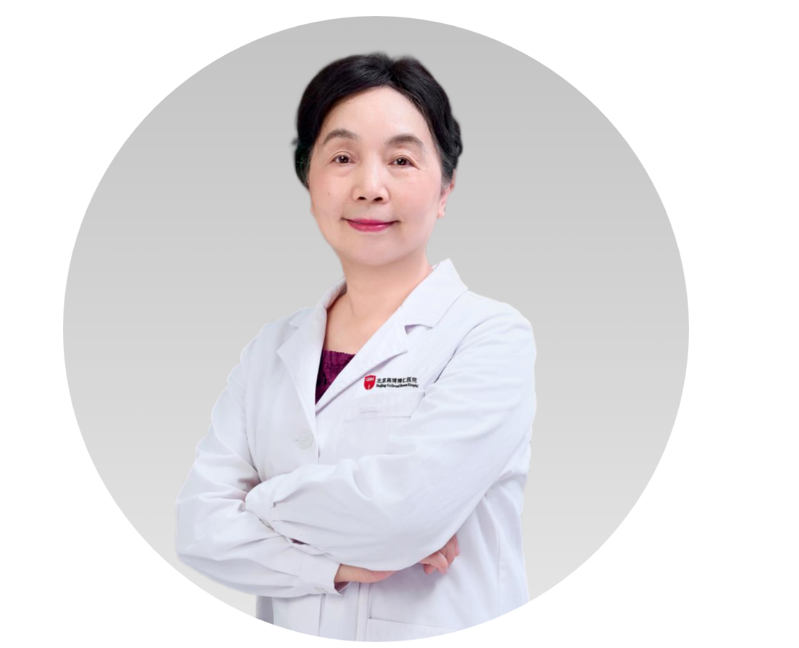
Professor Tong Chunrong
Beijing Gobroad Boren Hospital, Gobroad Medical Institute (Hematology) Beijing Research Center
Discipline Leader of Immunotherapy and Targeted Therapy Vice President for Research Director of the Department of Hematology and Oncology
Master of Medicine, Tongji Medical University
Standing Committee Member, Clinical Biotechnology Committee, Chinese Medical Biotechnology Association Committee Member, Biotherapy Committee, Chinese Anti-Cancer Association Committee Member, Hematologic Malignancies Committee, Chinese Anti-Cancer Association Vice Chairman, Hematologic Oncology Committee, Chinese Medical Doctor Association Laboratory Physicians Branch Vice Chairman, Beijing Hematology and Cellular Diagnostics Expert Committee Deputy Leader, Remote Diagnostic Capability Training Group, Laboratory Medicine Branch, Beijing Medical Association Editorial Board Member, Chinese Journal of Biotherapy
Professor Tong has more than 40 years of experience in clinical hematology and experimental research. He specializes in immunotherapy for hematologic malignancies, particularly acute leukemia, lymphoma, and multiple myeloma. His expertise also includes integrated diagnostics for hematologic diseases through the combined application of cytomorphology, cytochemistry, immunohistochemistry, flow cytometry, cytogenetics, fluorescence in situ hybridization (FISH), molecular genetic diagnostics, pathogen analysis, therapeutic drug monitoring, and pharmacogenomic testing, enabling highly individualized and precision-based treatment strategies for hematologic disorders.