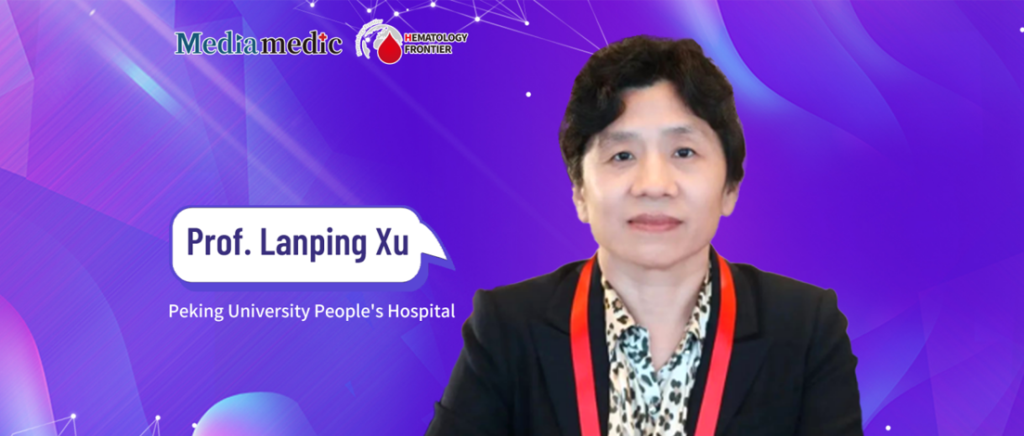
Editor's Note: In the golden autumn season, colleagues from across the mountains and seas came together. The 2026 Cross-Strait Hematology Conference was held in Zhuhai, Guangdong, on August 21–22, bringing together hematology experts and scholars from the Chinese mainland, Taiwan, Hong Kong, and Macao to engage in in-depth discussions on advances in the field, clinical practice, and nursing innovation. During the conference, Professor Lanping Xu of Peking University People's Hospital, Chair of the Hematology Committee of the Cross-Strait Medical and Health Exchange Association and Conference Chair, spoke with the media about the conference agenda, complementary strengths in hematopoietic stem cell transplantation across the mainland and Taiwan, and the long-term value of the academic platform.Q1. This year’s conference was held in Zhuhai, in the heart of the Guangdong-Hong Kong-Macao Greater Bay Area. As Conference Chair, could you share the key considerations behind the agenda design? What do you hope hematology colleagues from the mainland, Taiwan, Hong Kong, and Macao will gain from this meeting?
Professor Lanping Xu: First of all, I would like to thank Professor Juan Li for making this conference in Zhuhai possible. As Vice Chair of the Hematology Committee of the Cross-Strait Medical and Health Exchange Association, she co-organized this meeting with us. Zhuhai offers unique geographic advantages and convenient transportation, making it easier for hematology colleagues from across the mainland, Taiwan, Hong Kong, and Macao to participate and exchange ideas. By holding the conference in the Guangdong-Hong Kong-Macao Greater Bay Area, we also hope to build a closer platform for hematology colleagues from these regions, giving more experts, particularly young physicians, an opportunity to gain a deeper understanding of the Greater Bay Area’s healthcare development, regional characteristics, and cultural environment, thereby further promoting communication and collaboration.
In designing the agenda, we incorporated the respective strengths of different regions across the mainland, Taiwan, Hong Kong, and Macao. The program covers clinical diagnostic and treatment standards, challenging case discussions, translational research, and nursing practice. The conference has also established a dedicated Cross-Strait, Hong Kong, and Macao Exchange Session, moving beyond the traditional one-way lecture format toward deeper interactive discussion. All topics focus closely on current hotspots, challenges, and cutting-edge developments, with the aim of ensuring that participants gain practical insights and helping clinicians strengthen standardized diagnosis and treatment while broadening their clinical perspectives.
We hope this conference will bring three major benefits to colleagues across the mainland, Taiwan, Hong Kong, and Macao: First, facilitating the sharing and mutual learning of clinical experience; second, identifying opportunities for research collaboration; and third, providing a platform for young physicians to communicate and learn from one another while cultivating the next generation of hematology professionals across these regions, which is also an important responsibility of the professional society. Through extensive academic exchange, we ultimately hope to enable patients across the mainland, Taiwan, Hong Kong, and Macao to receive higher-quality and more accessible medical care.
Q2. Hematopoietic stem cell transplantation is a major area of interest in hematology across the mainland and Taiwan. The mainland has accumulated extensive clinical experience in haploidentical hematopoietic stem cell transplantation, while Taiwan has developed mature and standardized approaches to the refined management of post-transplant complications and long-term follow-up registries. From your perspective, how can both sides leverage their respective strengths and work together to develop a more individualized and precise approach to comprehensive transplant management?
Professor Lanping Xu: The mainland and Taiwan each have distinctive strengths in hematopoietic stem cell transplantation. By leveraging these complementary advantages, we can jointly develop an individualized, full-course management system for patients with hematologic diseases. Specifically, efforts can focus on two areas:
First, promoting the integration of complementary technical processes. The mainland has significant strengths in in-hospital management of hematopoietic stem cell transplantation, particularly in the management of patients undergoing haploidentical transplantation. We have accumulated substantial clinical data that enable us to perform precise risk stratification and develop individualized, standardized diagnostic, treatment, and intervention strategies. Taiwan, meanwhile, has more mature and comprehensive experience in the refined management of post-transplant complications and the establishment of long-term patient follow-up and registration systems. At this conference, we invited experts in nursing from Taiwan to share their experience in follow-up management, providing an excellent platform for colleagues across the mainland, Taiwan, Hong Kong, and Macao to learn from one another.
Second, establishing a regular mechanism for academic exchange and mutual visits. At present, the mainland regularly invites colleagues from Taiwan to participate in academic exchanges, with relevant activities held every year. However, academic exchanges from the mainland to Taiwan are relatively less frequent. Going forward, both sides should further deepen bilateral exchange and collaboration. While continuing to invite Taiwanese experts to the mainland for academic discussions, we should also proactively organize academic teams to visit Taiwan for exchange and study, thereby promoting two-way, in-depth communication and coordinated development in hematopoietic stem cell transplantation.
Q3. You have long been involved in professional committee development and cross-strait academic exchange. How do you assess the long-term value of this academic platform in narrowing differences in clinical practice, promoting joint development of clinical achievements, and advancing coordinated development of the discipline?
Professor Lanping Xu: The members of the Hematology Committee of the Cross-Strait Medical and Health Exchange Association are all highly accomplished and influential in the academic field. The quality and content of our previous conferences clearly demonstrate that this is a high-level academic platform. Since its establishment, the platform has continued to organize a series of activities, and its long-term value can be reflected in three key areas:
First, continuously strengthening mutual understanding and trust. Through regular academic interaction, we can enhance mutual understanding among colleagues from the mainland, Taiwan, Hong Kong, and Macao, share cutting-edge concepts and the latest developments in a timely manner, and jointly optimize diagnostic and treatment pathways through learning and exchange, ultimately benefiting more patients.
Second, integrating diverse approaches to diagnosis and treatment. Relying on this high-level platform, colleagues can engage in extensive discussions on different approaches to clinical diagnosis and treatment through case discussions, academic debates, and other formats. By integrating the strengths of both sides, we can develop more distinctive and effective treatment strategies.
Third, promoting the development of young professionals. By establishing a long-term and stable framework for collaborative development, we can actively promote multicenter research collaboration across the mainland, Taiwan, Hong Kong, and Macao and establish programs for the development of young professionals, rather than limiting our interactions to individual conferences. Using medicine as a bridge to bring healthcare professionals from both sides closer together is also the deeper significance of this platform beyond academia itself.
About the Expert
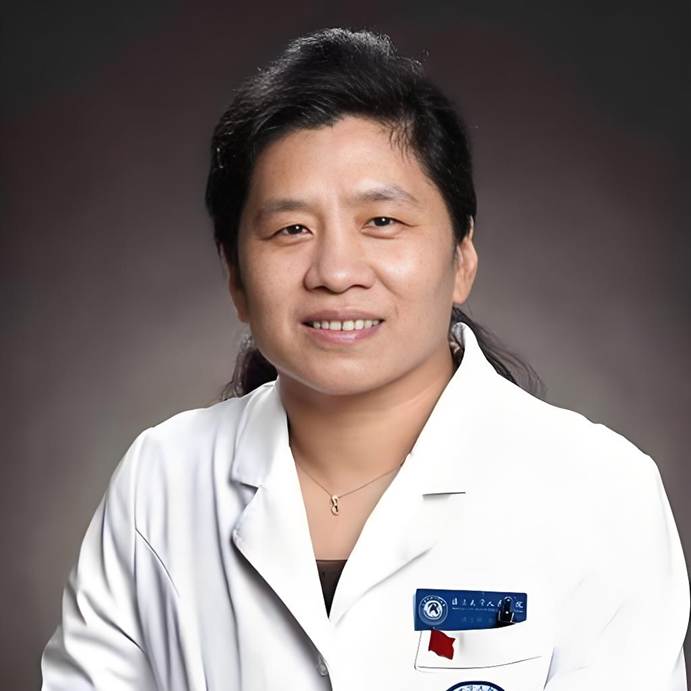
Professor Lanping Xu
Peking University People’s Hospital
Chief Physician, Doctoral Supervisor
National Clinical Research Center for Hematologic Diseases
Deputy Director, Department of Hematology, Peking University People’s Hospital
Primary research interests: Clinical research on hematopoietic stem cell transplantation for bone marrow failure disorders and hematologic malignancies.
Executive Council Member, 3rd Council of the Cross-Strait Medical and Health Exchange Association; Chair, 2nd Hematology Committee
Chair, Beijing Hematopoietic Stem Cell Donor Registry
Standing Committee Member, Committee on Cell Research and Therapy, Chinese Research Hospital Association
Committee Member, Clinical Microbiology and Infection Branch, China Association for the Promotion of International Healthcare
Committee Member, Hematology Branch, Chinese Medical Doctor Association
Committee Member, 8th Chinese Hematopoietic Stem Cell Donor Registry
Editorial Board Member of Leukemia & Lymphoma and Chinese Journal of Geriatric Multiorgan Diseases; Corresponding Editorial Board Member of Chinese Journal of Hematology; Reviewer for Chinese Journal of Internal Medicine
Principal investigator of two National Natural Science Foundation of China projects; participant in one National New Drug Innovation Program project and one National Key Technology R&D Program project under the 12th Five-Year Plan.
Corresponding or first author of more than 40 SCI-indexed publications and co-author of more than 300 publications; contributor to more than 10 textbooks and monographs.