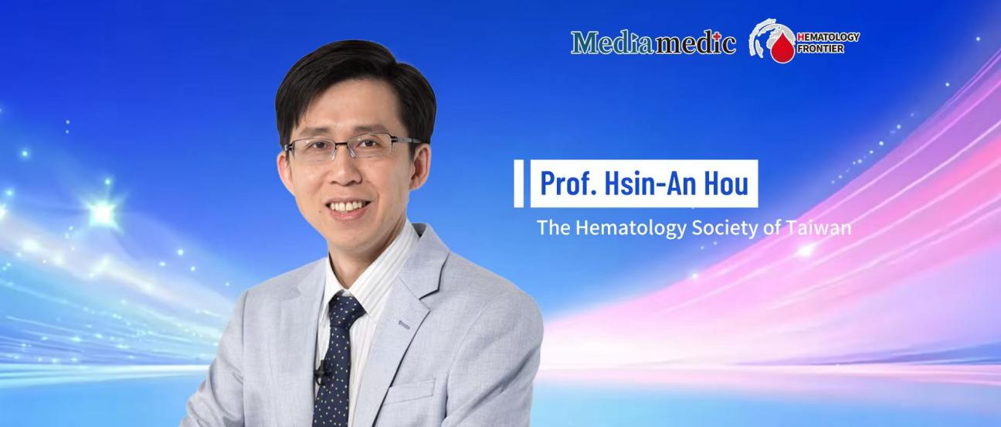
Editor's Note: In the golden autumn season, the Greater Bay Area comes alive, as colleagues from across the mountains and seas come together. The 2026 Cross-Strait Hematology Conference was held with great success in Zhuhai, Guangdong, from August 21–22. Hematology experts and scholars from mainland China, Taiwan, Hong Kong, and Macao gathered to engage in in-depth discussions on topics including cutting-edge developments in the field, clinical practice, and nursing innovation. During the conference, Professor Hou Hsin-An, Conference Chair and President of the Taiwan Society of Hematology, spoke with the media. Drawing on the strong foundation and broad prospects for hematology exchange across the Taiwan Strait, Professor Hou shared forward-looking perspectives on key topics including deepening academic exchange and collaborative cooperation, advancing precision diagnosis and treatment of hematologic diseases, and promoting the development and growth of young hematology professionals.Q1. As Conference Chair, could you tell us which academic areas you most look forward to exploring in depth and exchanging ideas with hematology colleagues from mainland China, Hong Kong, and Macao at this conference?
Professor Hou Hsin-An: It is a great honor to lead the Taiwanese expert team in participating in this important conference. In the short term, we hope to use the diverse range of topics covered at this meeting to engage in in-depth discussions on and further optimize diagnostic and treatment strategies for hematologic diseases, thereby improving the overall quality of clinical care.
At the same time, we also hope to use this platform to deepen connections and collaboration among colleagues across multiple dimensions. This will not only create better opportunities for future academic research, clinical care, and cross-disciplinary collaboration, but also stimulate new research questions and generate potential opportunities for cooperation through the exchange of ideas. This is one of the most important objectives of our participation in the conference. We also hope that academic activities of this kind can continue on a regular basis, providing young colleagues with more opportunities for learning, communication, and discussion.
Q2. You have long focused on the pathogenesis of AML/MDS and translational clinical research, and have established models linking genetic variants with clinical outcomes. With the rapid development of precision medicine, what distinctive strengths and advantages do mainland China and Taiwan have in genetic testing, risk stratification, and targeted therapy for hematologic malignancies? What practical areas of collaboration do you believe could emerge from the in-depth dialogue at this conference?
Professor Hou Hsin-An: Throughout my previous training and research, I have benefited greatly from the support of many mentors and senior colleagues in Taiwan. We have conducted a number of translational medicine studies on common adult myeloid hematologic malignancies, including myelodysplastic syndromes (MDS). These studies have not only made important contributions to disease classification and treatment, but, more importantly, have revealed significant differences between Chinese and Western populations in certain genetic mutation profiles. This finding has considerable clinical significance.
Based on these research findings, we are able to develop a clearer and more precise understanding of patients’ disease characteristics. We hope to take this conference as an opportunity to share these research findings with colleagues from mainland China, Hong Kong, and Macao. Looking ahead, we hope that all parties can leverage their respective databases—or integrate them where appropriate—to conduct more in-depth investigations and jointly advance precision and individualized treatment to a higher level.
Q3. The long-term development of hematology across the Taiwan Strait depends on the continued growth of young physicians and research professionals. How can we use this academic exchange platform to better promote interaction and collaboration among young hematology professionals on both sides, thereby supporting high-quality development of the field?
Professor Hou Hsin-An: The key to successful scientific research lies in outstanding talent and sufficient resources. This academic conference itself provides a valuable platform for young colleagues to communicate and interact with one another. We also hope to build on successful experiences and existing foundations to continue helping young physicians identify their research interests and clarify their career development paths.
There remain many unmet clinical needs, and substantial work is still required in disease diagnosis, classification, and the optimization of treatment strategies. Young physicians have significant advantages in terms of active thinking and innovative capacity. Helping them collaborate on hematology research topics that genuinely interest them and providing opportunities for professional growth is therefore an important task for us.
We also hope that through in-depth discussions among the various youth working groups, more forward-looking research questions can be generated. Only by continuously cultivating the next generation of outstanding hematology professionals can we ensure that the diagnosis and treatment of hematologic diseases continue to advance to new heights and achieve even greater success.
Expert Profile
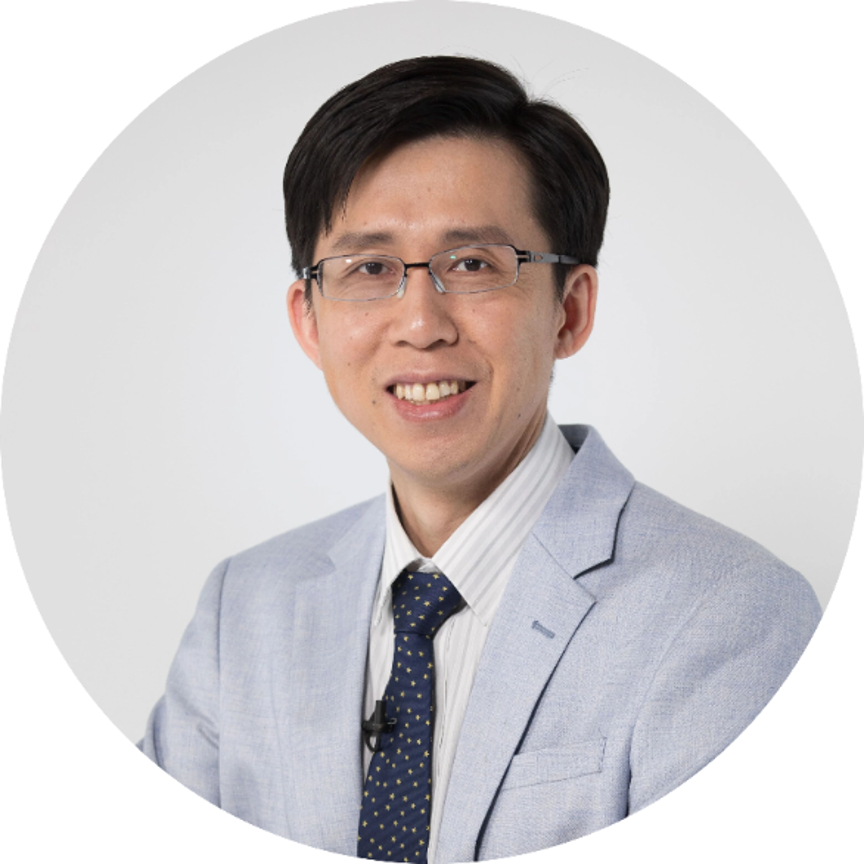
Professor Hou Hsin-An
National Taiwan University Hospital, College of Medicine, National Taiwan University
Current Positions
- Professor of Internal Medicine, College of Medicine, National Taiwan University
- Director, General Medicine Training Demonstration Center, National Taiwan University Hospital
- Director, Division of General Medicine, Department of Internal Medicine, National Taiwan University Hospital
- Deputy Director, Residency Training Program, Department of Internal Medicine, National Taiwan University Hospital
- Attending Physician, Division of Hematology and General Medicine, Department of Internal Medicine, National Taiwan University Hospital
- President, Taiwan Society of Hematology
- President, Taiwan Myeloproliferative Neoplasms Care Association
- Board Member, Taiwan Society of Blood and Marrow Transplantation
Education
PhD, Graduate Institute of Clinical Medicine, National Taiwan University
2009–2013
Master’s Degree, Graduate Institute of Clinical Medicine, National Taiwan University
2005–2007
MD, Department of Medicine, Chung Shan Medical University
1992–1999
Selected Professional Experience
Convener, Taiwan Acute Myeloid Leukemia/Myelodysplastic Syndrome Working Group
2019–2026
Visiting Research Fellow, H. Lee Moffitt Cancer Center & Research Institute, USA
2017–2018
Deputy Secretary-General, Taiwan Society of Hematology
2019–2020
Secretary-General, Taiwan Society of Hematology
2021–2023
Supervisor, Taiwan Society of Hematology
2023–2026
Lecturer, College of Medicine, National Taiwan University
2009–2013
Clinical Assistant Professor, College of Medicine, National Taiwan University
2013–2017
Clinical Associate Professor, College of Medicine, National Taiwan University
2017–2021
Attending Physician, Division of Hematology, Department of Internal Medicine, National Taiwan University Hospital Yunlin Branch
2007–2008
Selected Academic Awards
Outstanding Teaching Faculty Award, National Taiwan University
2024
Teaching Material and Publication Award, College of Medicine, National Taiwan University
2024
Best Clinical Teacher Award, College of Medicine, National Taiwan University
2022
Li Zhenyuan Memorial Medical Award, College of Medicine, National Taiwan University
2019
Oral Presentation Award (Translational Science Category), Moffitt Scientific Symposium, Tampa, USA
2018
Wu Ta-You Memorial Award, Ministry of Science and Technology, Taiwan
2014
Travel Award, Annual Meeting of the World Hematology Association
2014
Travel Award, Annual Meeting of the Japanese Society of Hematology
2012, 2013, 2015
Abstract Achievement Award, Annual Meeting of the American Society of Hematology
2009, 2011
Outstanding Research Award – Outstanding Young Researcher, National Taiwan University Hospital
2010
Travel Award, Annual Meeting of the European Hematology Association
2009
Outstanding Paper Award, Taiwan Society of Hematology
2008–2013, 2017