In the global wave of medical innovation, emerging therapies such as CAR-T cell therapy have brought revolutionary hope for
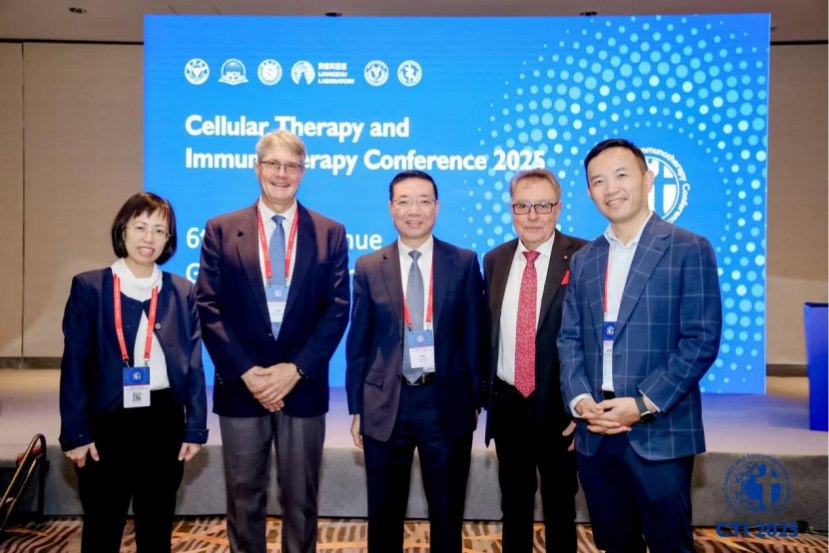
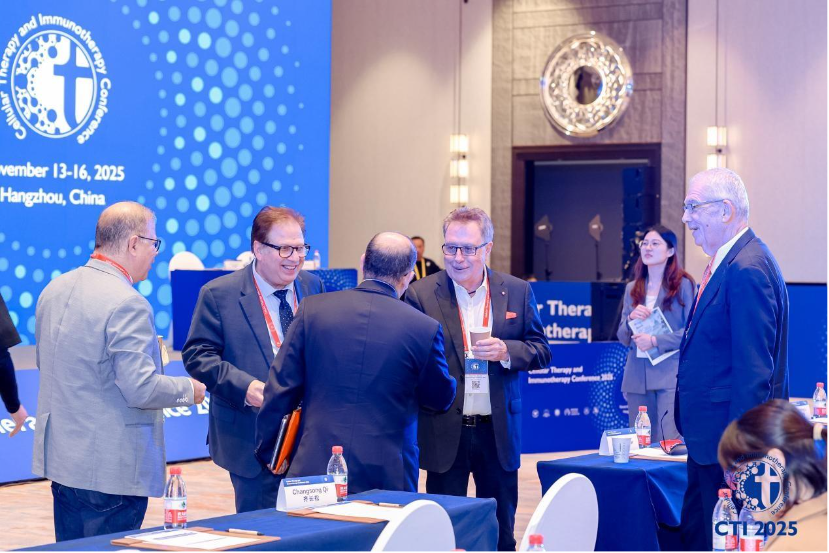
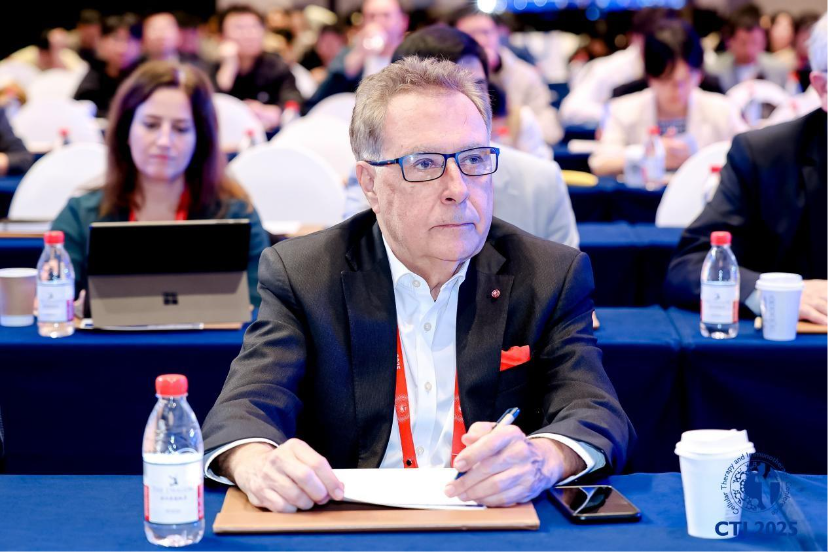
major diseases, including malignancies. However, their widespread adoption and application face significant regional imbalances, with low- and middle-income countries encountering numerous structural barriers in accessing these frontier technologies. From November 13 to 16, 2025, the 2025 International Conference on Cell and Immunotherapy (CTI 2025) was held in Hangzhou, Zhejiang. During the conference, Oncology Frontier - Hematology specially invited Professor Alejandro Madrigal from University College London (UCL) to discuss, from an international perspective and using Mexico as a case study, the core challenges Latin America faces in promoting equitable access to medical resources and introducing cutting-edge therapies. 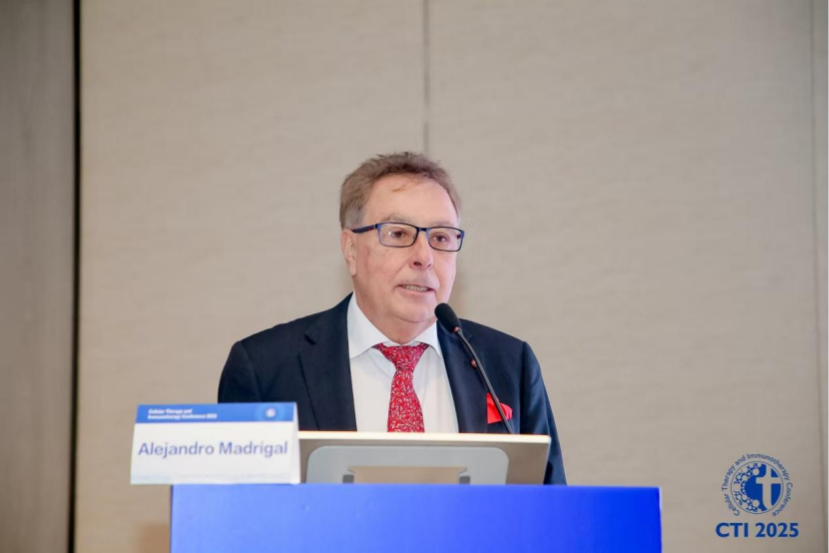
Professor Alejandro Madrigal:
I. Achievements and Challenges of Mexico’s Healthcare System: Equity and Accessibility as Core Issues
As a country with a population exceeding 100 million, Mexico’s socioeconomic diversity directly leads to significant disparities in access to healthcare resources. Despite the government’s commitment to promoting Universal Health Coverage (UHC) and striving to provide medical services that meet international standards, ensuring equitable access to cutting-edge treatments remains a long-term and arduous task. While acknowledging Mexico’s strengths—including a large pool of outstanding healthcare professionals, efficient medical institutions, and continuous contributions from both public and private sectors—it is imperative to recognize that substantial room for improvement exists in the comprehensive promotion and application of medical innovation.
II. Key Barriers to the Localization of Innovative Therapies: Lack of Commercial Viability and Regulatory Frameworks
The introduction of advanced therapeutic products, represented by CAR-T cell therapy, specifically illustrates the aforementioned challenges. Its commercialization has progressed slowly, primarily hindered by two core factors: on one hand, commercial companies lack investment motivation due to suboptimal expected economic returns, such as inadequate health insurance reimbursement policies and unproven cost-effectiveness; on the other hand, Mexico faces systemic gaps in specialized knowledge reserves, clear laws and regulations, and mature clinical translation platforms. Collectively, these factors constitute significant barriers to the implementation of innovative therapies.
III. Pathways to Breakthrough: Leveraging International Cooperation to Foster Local R&D Capabilities
In the face of these challenges, passively waiting for imports is not a viable strategy. Instead, a proactive approach lies in empowering the development of local R&D capabilities through in-depth international cooperation. Currently, academic centers and private institutions in Mexico have begun exploring the localization of therapies such as CAR-T. The author’s personal participation in collaborations with Hospital Angeles leverages its high-quality clinical platform to introduce innovative treatments, while partnerships with Tecnológico de Monterrey focus on original innovation—aiming to develop novel therapies and platform technologies through basic and translational research. The ultimate goal is not complete “self-reliance,” but to enhance Mexico’s collaborative position in the global medical innovation network, shifting from mere technology importation to collaborative creation.
IV. Insights from China’s Experience and the Pivotal Role of International Collaboration
China’s rapid advancements in the field of cell therapy offer valuable insights. Its achievements in the number of innovative CAR-T protocols and the scale of clinical applications demonstrate the enormous potential unlocked through systematic investment and policy support. This success story strongly proves that active international cooperation and knowledge exchange are crucial for Mexico and Latin America to accelerate medical technology modernization. By sharing resources, technologies, and experiences, it is possible to effectively shorten R&D cycles, avoid repetitive mistakes, and collectively advance global health equity.
Summary
In conclusion, the journey of medical innovation in Mexico and Latin America requires striking a balance between acknowledging practical challenges and building on local strengths. The key to overcoming bottlenecks in introducing cutting-edge therapies has shifted from mere “technology importation” to “capacity building.” Engaging in equal, pragmatic, and capacity-focused cooperation with international partners such as China—jointly investing in talent cultivation, technology transfer, and regulatory system improvement—is the core of achieving sustainable development. This is not only an indispensable path to enhancing regional healthcare standards but also a great practice of the concept of global health equity. Ultimately, a more resilient and innovative healthcare system will contribute unique value to the global medical knowledge base, collectively shaping a more inclusive health future.
Biography: Professor Alejandro Madrigal
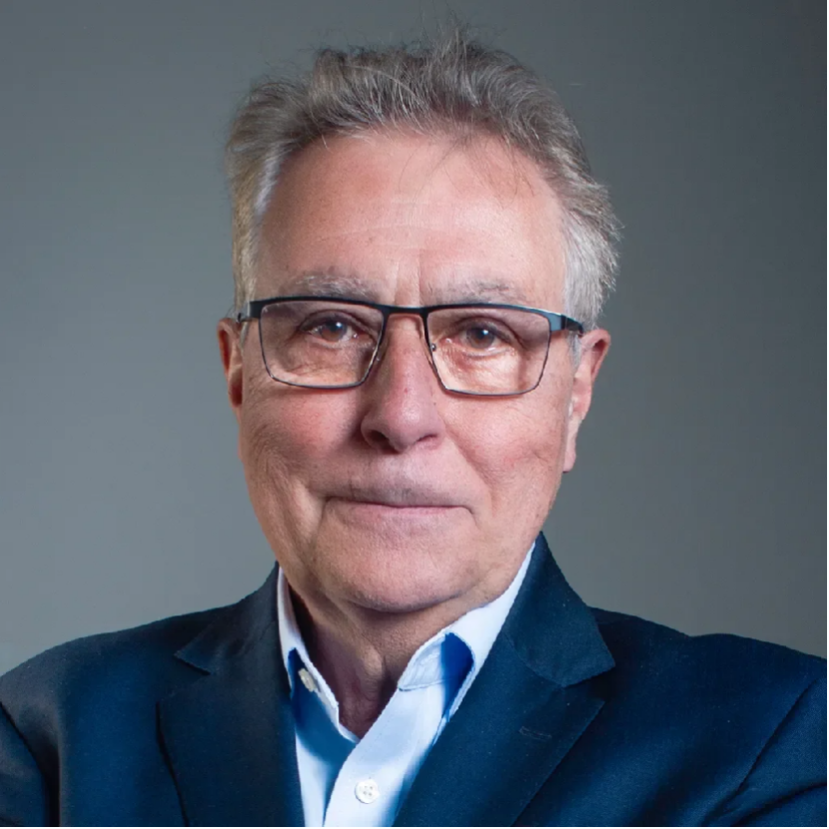
Alejandro Madrigal, OBE FMedSci
MD PhD FRCP FRCPath DSc HonDSci
Professor of Haematology, UCL Cancer Institute
UCL Country Ambassador for México
Education and Training: Graduated from the National Autonomous University of Mexico (UNAM), with professional training at Harvard University, Stanford University, and University College London (UCL).
Fields of Expertise: An authoritative scholar in the fields of global immunotherapy and hematopoietic stem cell transplantation.
Key Past Positions: Founder and First Scientific Director of the Anthony Nolan Research Institute; Medical Director of the Anthony Nolan Cell Therapy Centre; Former UCL Vice-Provost (Americas).
Academic Contributions: Published over 500 academic papers in top-tier journals such as Nature, Nature Genetics, and The Lancet, with approximately 17,716 citations and an H-index of 68. His research has profoundly influenced the direction of immune cell therapy and hematopoietic stem cell transplantation.
Academic Exchange and Mentorship: Delivered over 580 academic lectures in more than 250 cities across 60+ countries; supervised and trained over 200 physicians and researchers.
International Cooperation and Public Service: Through tireless efforts, he has promoted the establishment of donor registry systems and cord blood banks globally.
Honors and Awards:
Awarded the OBE (Officer of the Order of the British Empire).
Elected as an Academician or Honorary Member of prestigious academies in Mexico, Spain, Latin America, the USA, Russia, Poland, Germany, Ukraine, India, and the UK.
Awarded Honorary Doctorates from the University of Nottingham, University of Guadalajara, Odessa University (Ukraine), and University of Tartu (Estonia).