
Editor’s note: The incidence of genitourinary cancers in China has continued to rise, with prostate, bladder, and kidney cancers ranking among the most common malignancies. Among them, eosinophilic renal tumors represent a highly heterogeneous group of diseases in which accurate differential diagnosis is crucial for improving outcomes. At the recent National Cancer Center Urologic Oncology Symposium & Medical Frontiers Forum (Autumn), Oncology Frontier – UroStream invited Prof. Shan Zheng from the National Cancer Center/National Clinical Research Center for Cancer/Cancer Hospital, Chinese Academy of Medical Sciences, to discuss the key features, prognostic indicators, and future role of AI in managing eosinophilic renal tumors.
**01
UroStream** Eosinophilic renal tumors remain one of the most challenging diagnostic topics in urologic pathology. Could you outline their key characteristics?
Prof. Shan Zheng: Eosinophilic renal tumors comprise several disease types, including oncocytoma, chromophobe renal cell carcinoma (ChRCC), and hybrid lesions that fall between the two — now categorized as “other eosinophilic renal tumors,” such as eosinophilic vacuolated tumors (EVT) and low-grade eosinophilic tumors (LEAT).
Clinically, these tumors are more common in older adults and—except for EVTs—occur more frequently in men. Oncocytoma is benign; ChRCC is malignant; the remaining two types are borderline with overall favorable outcomes. Overall, this group consists largely of benign or low-grade malignancies, so patients should not be overly alarmed by the diagnosis.
Morphologic features under the microscope are distinct:
- Oncocytoma: Abundant eosinophilic cytoplasm, indistinct borders, mild atypia.
- ChRCC: Classic perinuclear halos and “raisinoid” nuclei.
- EVT: Cytoplasmic vacuoles, perinuclear halos like ChRCC but nuclei lack wrinkling, are higher grade with prominent nucleoli.
- LEAT: Mixed features of oncocytoma and ChRCC, showing halos but more orderly nuclei.
When morphology is not straightforward, immunohistochemistry—primarily CK7 and CD117—helps distinguish these tumors. If both markers are negative, the lesion likely falls outside true eosinophilic renal tumors, requiring broader diagnostic workup.
Molecular findings also support diagnosis:
- Oncocytoma: CCND1 amplification
- ChRCC: multiple chromosomal losses, TP53 mutations
- EVT/LEAT: TSC1/TSC2 mutations and mTOR pathway activation
These data enhance diagnostic accuracy and understanding of tumor biology.
**02
UroStream** How do we assess prognosis for patients with eosinophilic renal tumors?
Prof. Shan Zheng: Prognosis in renal tumors is traditionally evaluated using several pathology-driven factors: tumor size, stage, morphologic grade, and specific aggressive features.
Larger tumors often indicate more extensive tissue involvement, correlating with poorer outcomes. Likewise, tumors confined to the kidney have better prognoses; extension into perirenal fat, vessels, or distant sites reflects more advanced disease.
There is no standardized grading system specifically for eosinophilic tumors, and classic grading systems are less useful for these subtypes.
Certain morphologic signs indicate more aggressive behavior:
- Necrosis
- Sarcomatoid differentiation
- Rhabdoid features
When these features exceed 5–10%, they are highlighted in the pathology report; ≥30% indicates significantly worse prognosis.
Emerging research links certain genetic mutations to tumor behavior, though this remains exploratory. Such findings open new avenues for understanding and managing these tumors.
**03
UroStream** Studies suggest AI can assist diagnosis. What role do you foresee for digital pathology integrating morphology and molecular data?
Prof. Shan Zheng: This is an excellent and timely question. AI has become pervasive in many fields, and pathology is no exception. Traditional pathology relies on visual slide interpretation. Classic cases are straightforward, but atypical cases require immunohistochemistry or molecular testing.
Both image and molecular data are high-volume, high-complexity datasets—ideal for AI processing. In principle, AI can integrate these datasets to support diagnosis, but several steps are needed:
- Digitizing pathology slides for computational analysis.
- Standardizing procedures across institutions.
- Developing robust algorithms capable of detecting nuanced cellular and structural features.
While there is concern that AI may replace human pathologists, in reality AI is best suited for rule-based, repetitive tasks, such as screening lymph nodes for metastasis. Rare and complex cases still require expert interpretation due to limited training datasets.
Therefore, pathologists should embrace AI and collaborate with computational experts to enhance diagnostic precision.
Importantly, certain genetic alterations leave recognizable morphologic footprints — for example, TFE3 rearrangements, where fusion partners affect tumor appearance. If AI can integrate this molecular–morphologic interplay, it will significantly strengthen diagnostic accuracy and inform therapeutic decisions, advancing precision oncology.
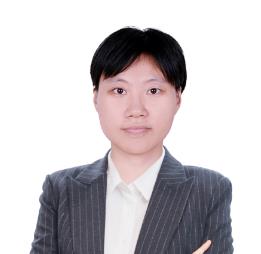
Expert Profile — Prof. Shan Zheng

Department of Pathology National Cancer Center / Cancer Hospital, Chinese Academy of Medical Sciences