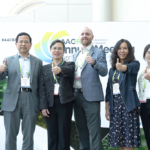
The diagnosis and treatment of hematologic diseases remain a global challenge. In recent years, with the rapid emergence of innovative therapies such as chimeric antigen receptor T-cell (CAR-T) therapy and the deepening understanding of hematologic disorders, the field has entered a new era.In this context, addressing complex clinical challenges increasingly requires global collaboration. International exchange and cooperation have become more critical than ever.
To jointly advance the frontiers of hematologic disease management, the Hematology Branch of the Chinese Medical Association (CSH) and the International Academy for Clinical Hematology (IACH) have partnered to launch the CSH–IACH Hematology Symposium Series. This initiative focuses on cutting-edge topics, brings together leading experts worldwide, and aims to establish a central platform for academic exchange and translational innovation—accelerating the translation of novel technologies into clinical practice and addressing key challenges in patient care.
On April 27, 2026 (19:00 Beijing time / 13:00 Central European Time), the inaugural symposium titled “From Classics to Innovation: Advances in CAR-T Therapy” was broadcast live globally, attracting over 10,000 real-time viewers.
As the opening event of this joint series, the symposium focused on the clinical application, technological innovation, and future directions of CAR-T therapy. Distinguished experts from China and Europe delivered keynote presentations and engaged in high-level discussions, exploring the evolution from established approaches to next-generation innovations.
The symposium was co-chaired by Professor Yu Hu (Union Hospital, Tongji Medical College, Huazhong University of Science and Technology), Professor Mohamad Mohty (Member of the French Academy of Medicine, Sorbonne University, Saint-Antoine Hospital), and Professor He Huang (The First Affiliated Hospital, Zhejiang University School of Medicine).
Opening Remarks · Shared Vision for the Future
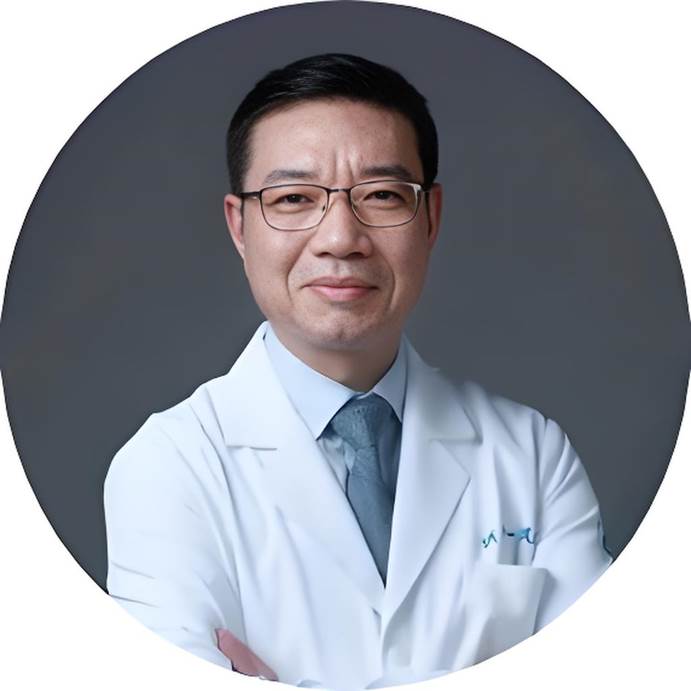
Professor He Huang opened the meeting by warmly welcoming participants from around the world. He emphasized that this joint initiative between CSH and IACH represents a promising starting point, with future collaborations planned in areas such as transplantation and leukemia.
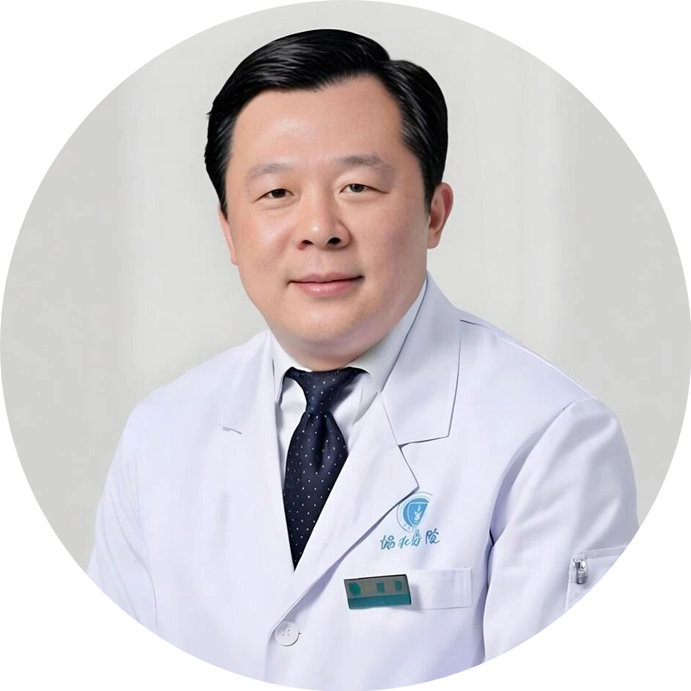
Professor Yu Hu, speaking on behalf of CSH, highlighted that cellular therapies are transforming the treatment landscape of hematologic malignancies. However, no single country or institution can address all challenges alone. He stressed the importance of global collaboration in sharing scientific advances and clinical experience. This symposium, he noted, serves as a bridge for strengthening China–Europe partnerships and marks the official launch of the CSH–IACH collaboration.
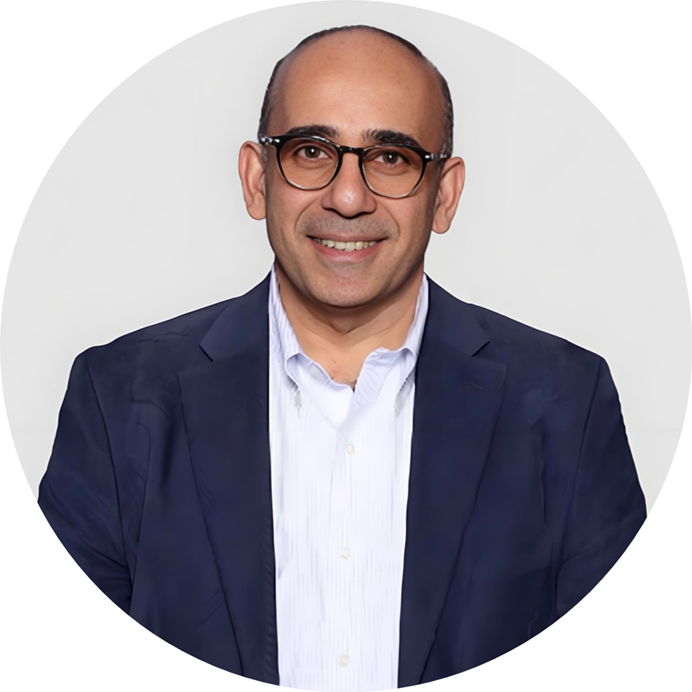
Professor Mohamad Mohty, representing IACH, underscored that “hematology without borders” should be more than a slogan—it must guide global action. He reviewed the transformative development of CAR-T therapy and acknowledged the significant contributions of Chinese researchers. He expressed hope that this webinar would serve as a milestone for sustained and productive China–Europe collaboration.
Keynote Sessions · Global Perspectives on CAR-T Advances
- From Late-Line to Frontline: The Evolution of CAR-T Therapy in Europe
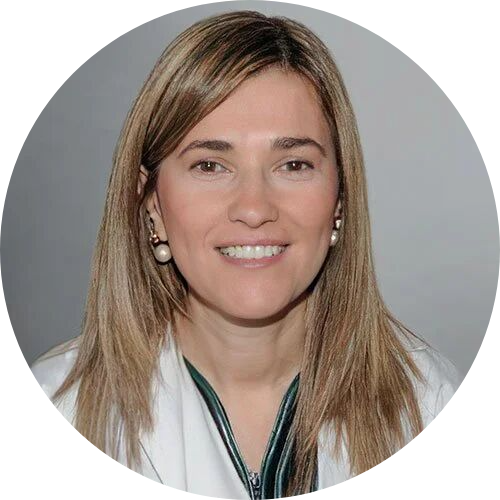
Professor Maria-Victoria Mateos (University of Salamanca, Spain) presented “The European CAR-T Perspective,” outlining the application of CAR-T therapy in multiple myeloma.
She noted that patients who relapse after three or more lines of therapy and are refractory to proteasome inhibitors, immunomodulatory agents, and anti-CD38 antibodies have a median progression-free survival (PFS) of approximately 4 months and overall survival (OS) of less than one year. This unmet need has driven the development of BCMA-targeted CAR-T therapies.
The European Medicines Agency has approved two products: idecabtagene vicleucel (ide-cel) and ciltacabtagene autoleucel (cilta-cel).
- In the KarMMa study, ide-cel achieved an overall response rate (ORR) of 81% and complete response (CR) rate of 40%, with a median PFS of 10.8 months.
- In CARTITUDE-1, cilta-cel demonstrated an ORR approaching 100% and CR rates exceeding 80%. At 5-year follow-up, median PFS reached 3 years and median OS 5 years, with approximately one-third of patients remaining progression-free beyond 5 years—suggesting potential cure in some cases.
Emerging CAR-T products, including anitocabtagene autoleucel (anito-cel), orvacabtagene autoleucel (orla-cel), and dual-target BCMA/CD19 therapies, are expanding the field, with CAR-T moving toward earlier-line treatment and even high-risk smoldering myeloma.
- From Ex Vivo to In Vivo: China Leading the Next Frontier
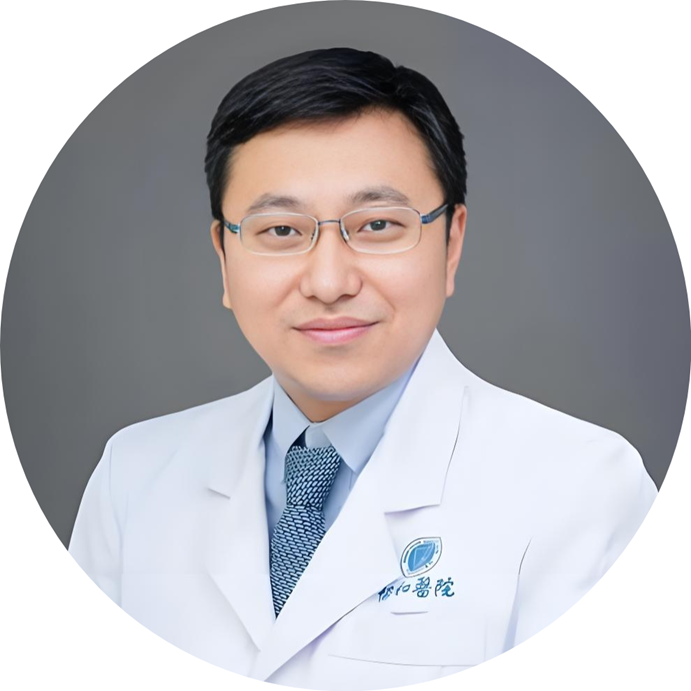
Professor Heng Mei (Union Hospital, Tongji Medical College, Huazhong University of Science and Technology) presented “Progress in Clinical Translational Research of In Vivo CAR-T.”
Traditional ex vivo CAR-T manufacturing is complex and costly; in the United States, approximately one-quarter of patients die while waiting for commercial CAR-T therapy. In vivo CAR-T technology addresses this limitation by directly engineering T cells within the patient using viral vectors or lipid nanoparticles, eliminating the need for ex vivo manufacturing and lymphodepleting chemotherapy.
In November 2024, Professor Mei’s team published the world’s first human data on in vivo CAR-T therapy for multiple myeloma in The Lancet. The product (ISO-T101) utilizes a third-generation lentiviral platform.
Among four heavily pretreated patients with extramedullary disease (including CNS involvement), two achieved stringent complete response (sCR) and two achieved partial response (PR). One patient maintained remission for over 15 months—the longest reported duration to date.
Although promising, challenges remain, including safety concerns, targeting specificity, and immunogenicity. Nonetheless, in vivo CAR-T represents a transformative direction for the field.
The “Hangzhou Strategy”: Overcoming T-Cell Malignancies with CD7 CAR-T
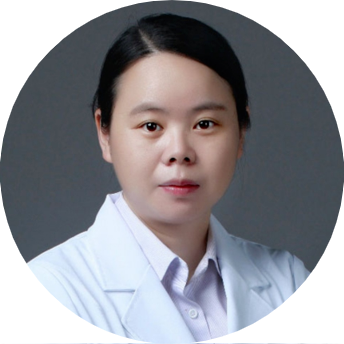
Professor Yongxian Hu (The First Affiliated Hospital, Zhejiang University School of Medicine) presented “CD7 CAR-T for Hematologic Malignancies.”
CD7-targeted CAR-T therapy faces key challenges:
- Fratricide due to shared CD7 expression on CAR-T and tumor cells
- Impaired T-cell regeneration following depletion of normal T cells
- Risk of tumor contamination during CAR-T manufacturing
By using intracellular CD7 retention strategies, these issues can be effectively mitigated.
The team developed an innovative “integrated approach,” published in The New England Journal of Medicine, combining haploidentical donor-derived CD7 CAR-T therapy with subsequent hematopoietic stem cell transplantation from the same donor—without myeloablative conditioning or GVHD prophylaxis.
In 10 patients (median follow-up 15 months), 6 maintained MRD-negative CR without further treatment. CD7+ T/NK cells were rapidly eliminated within 8.5 days and replaced by donor-derived CD7-negative T cells with strong immune function but minimal GVHD risk.
This “four-in-one” strategy—widely referred to as the “Hangzhou approach”—represents a paradigm shift in treating CD7+ hematologic malignancies.
Roundtable Discussion · Expanding the Horizons of CAR-T
The roundtable session was chaired by Dr. Yishan Ye (Zhejiang University).
Key highlights included:
- Professor Zhu Chen (University of Science and Technology of China) presented clinical research on lipid nanoparticle (LNP)-based in vivo CAR-T for systemic lupus erythematosus (NEJM), emphasizing improved safety and durable B-cell depletion.
- Professor Chunrui Li (Union Hospital, Tongji Medical College) reported lentiviral in vivo CAR-T results (Nature Medicine), with 4 of 5 refractory myeloma patients achieving CR.
- Dr. Mingming Zhang discussed frontline CAR-T strategies in Ph+ ALL (JAMA Oncology), demonstrating ~92% 3-year disease-free survival.
- Professor Florent Malard (Sorbonne University) highlighted the impact of the microbiome on CAR-T outcomes, noting worse prognosis with prior broad-spectrum antibiotic use.
- Discussions also addressed viral reactivation in T-cell malignancies and emerging strategies in myeloid CAR-T therapy.
Conclusion · Advancing Innovation Through Global Collaboration
From the advancement of CAR-T therapy in multiple myeloma in Europe, to China’s pioneering work in in vivo CAR-T, and the breakthrough CD7 “integrated strategy” for T-cell malignancies, this symposium clearly illustrated the evolution of CAR-T from established therapies to next-generation innovation.
The rapid expansion of CAR-T into autoimmune diseases and the emerging role of microbiome modulation further extend its therapeutic boundaries.
In their closing remarks, Professor Yu Hu and Professor Mohamad Mohty emphasized that as in vivo CAR-T becomes increasingly feasible and new targets such as CD7 and GPRC5D continue to emerge, the scope of CAR-T therapy will expand beyond hematologic malignancies to autoimmune diseases and potentially solid tumors.
The success of this symposium marks a new phase in China–Europe collaboration in hematology and lays a strong foundation for future exchanges in leukemia, transplantation, and immunotherapy.
Sustained collaboration of this kind will inject lasting momentum into the field, driving global hematology toward a more open, collaborative, and innovative future.