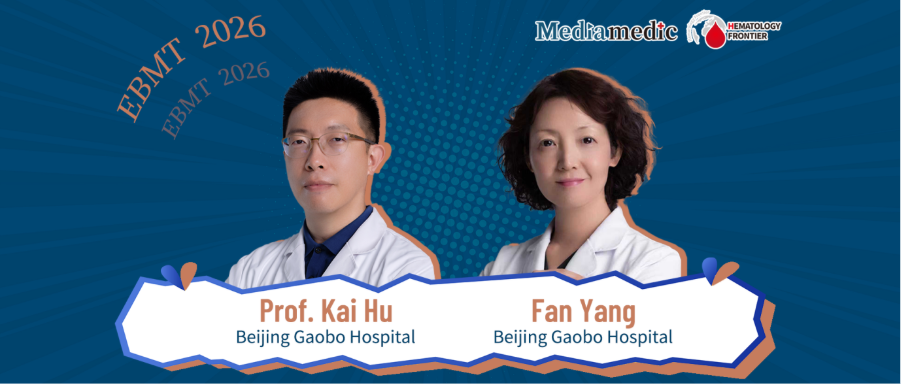
The 52nd EBMT Annual Meeting was held in Madrid, Spain, from March 22 to 25, 2026. As one of the leading international forums in hematology, the meeting brings together experts worldwide to present advances in transplantation, cellular immunotherapy, and complication management, and remains an important platform shaping the future of hematologic treatment. This report highlights a study conducted by Dr. Fan Yang from the team of Prof. Kai Hu at Beijing Gaobo Hospital.
Abstract Information
Abstract No.: A049
First Author: Fan Yang
Corresponding Author: Kai Hu
Institution: Beijing Gaobo Hospital
Background
Anti-CD19 CAR-T cell therapy has become an established treatment for patients with relapsed or refractory large B-cell lymphoma after at least two prior lines of therapy. In recent years, combining CAR-T therapy with autologous stem cell transplantation (ASCT) has shown promising activity across several subtypes of relapsed or refractory disease. However, direct comparisons between these two approaches remain limited.
Methods
This study was designed as a single-center, propensity score–matched cohort analysis including 64 patients with relapsed or refractory non-Hodgkin lymphoma. Of these, 32 patients received ASCT combined with CAR-T therapy, while 32 matched patients were treated with CAR-T alone. Matching was performed based on ten baseline characteristics, resulting in well-balanced groups suitable for comparative analysis.
Patients with prior exposure to CAR-T therapy or ASCT were excluded. In the combination group, conditioning was administered using the standard BEAM regimen, and CAR-T cells were infused within two days after reinfusion of CD34-positive hematopoietic stem cells.
Results
In the ASCT plus CAR-T group, the infused CD34-positive cell dose ranged from 2.4 × 10⁶/kg to 9.5 × 10⁶/kg. The median CAR-T cell dose was slightly higher in the combination group than in the CAR-T–alone group. Importantly, stem cell engraftment was not adversely affected by the addition of CAR-T therapy, and no clear relationship was observed between CAR-T expansion and treatment efficacy.
In terms of safety, the incidence of grade 3 or higher cytokine release syndrome was somewhat higher in the combination group, whereas severe neurotoxicity remained uncommon in both groups.
At three months, response rates were numerically higher in the ASCT plus CAR-T group, including a higher complete response rate, although these differences did not reach statistical significance.
After a median follow-up of 38.4 months, survival outcomes were encouraging overall. Patients treated with the combined approach demonstrated a consistent trend toward improved progression-free survival and overall survival compared with those receiving CAR-T alone. Although these differences did not meet statistical significance, the pattern was consistent across endpoints. Similarly, the cumulative incidence of relapse or progression and non-relapse mortality were lower in the combination group, without statistically significant differences.
Conclusion
Compared with CAR-T therapy alone, the combination of ASCT and CAR-T therapy shows a trend toward improved survival outcomes in patients with relapsed or refractory B-cell lymphoma. Larger, prospective studies are needed to confirm these findings.
Expert Profiles
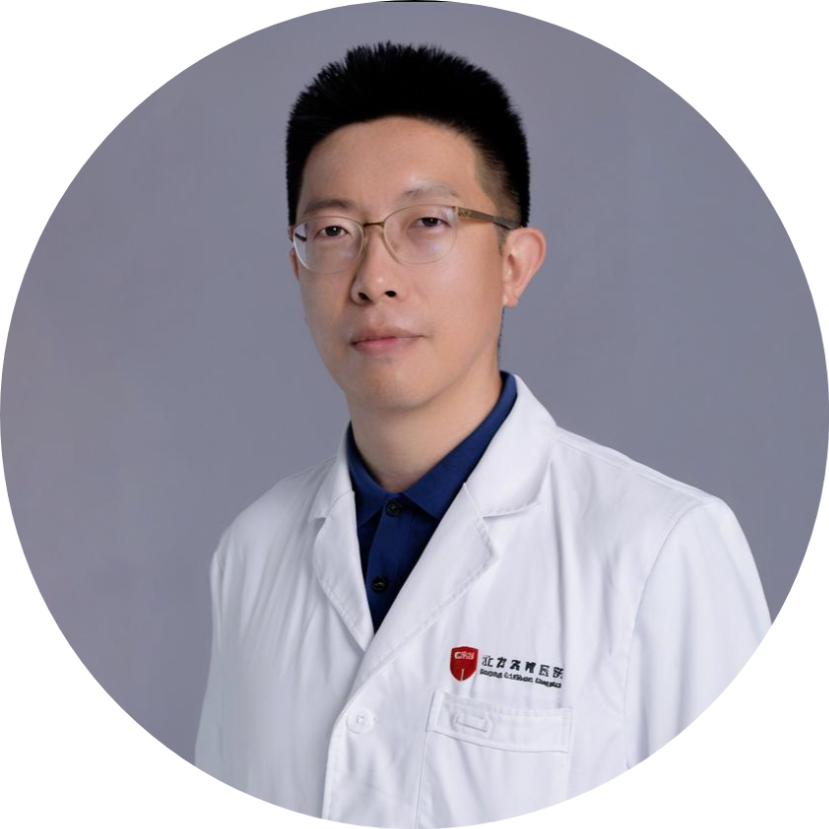
Kai Hu, MD, PhD
Director of the Lymphoma and Myeloma Department, Beijing Gaobo Hospital
Prof. Hu has more than 20 years of experience in hematologic oncology. His work focuses on the standardized management of hematologic malignancies, with particular expertise in immunotherapy, including CAR-T cell therapy, as well as stem cell transplantation and targeted treatments. He has led numerous clinical studies and contributed to the development of innovative combination strategies that have gained international recognition.
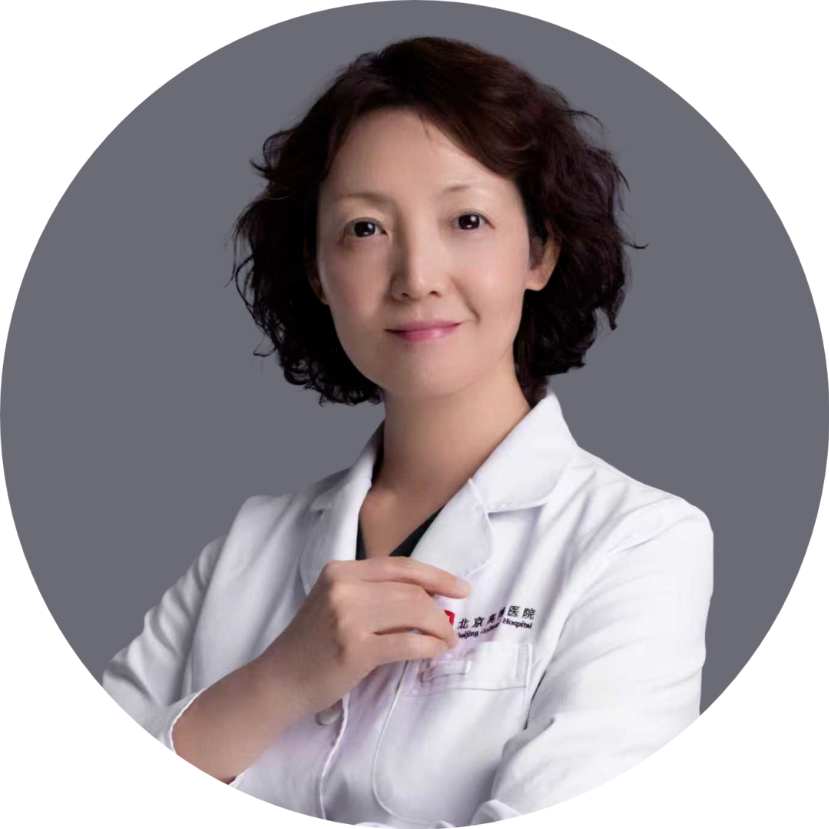
Fan Yang, MD, MSc
Associate Chief Physician, Beijing Gaobo Hospital
Dr. Yang specializes in the treatment of hematologic malignancies, with a focus on stem cell transplantation and immunotherapy. She has extensive clinical experience in both allogeneic transplantation and CAR-T therapy and has participated in multiple multicenter clinical studies. Her research has been presented at major international conferences, including EBMT, ASH, and EHA.