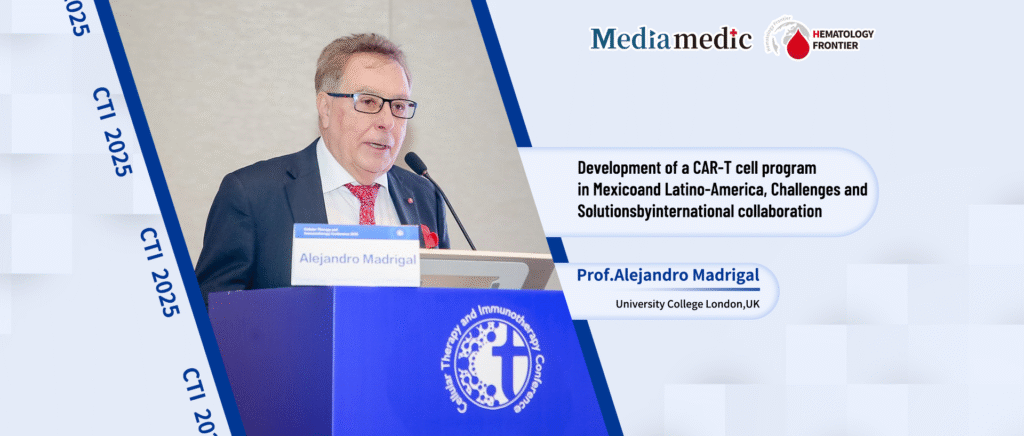
Fostering Cell Therapy Innovation in Latin America: Insights from Prof. Alejandro Madrigal Fernandez, OBE
In a recent interview, Alejandro Madrigal Fernandez, OBE FMedSci MD PhD FRCP FRCPath DSc HonDSci Professor of Haematology, UCL Cancer Institute analyzed the landscape for advanced cell therapies in Latin America, highlighting a strategic vision for building local innovation through international collaboration. He stressed that a simple replication of high-income country models is unviable due to the region’s unique challenges.
Prof. Madrigal identified critical barriers in Mexico and surrounding countries, including significant economic disparities that limit patient access and the prohibitive cost of commercial CAR-T therapies, which deters international companies. This is compounded by a domestic lack of the specific knowledge and regulatory platforms required for these advanced treatments. He argued that the most effective path forward is not importation, but co-development.
To achieve this, Prof. Madrigal is spearheading a dual-pronged strategy: collaborating with the academic powerhouse Tecnológico de Monterrey to foster novel research, while partnering with the premier private hospital network, Angeles Interlomas, to translate these innovations into clinical practice. This approach aims to create a self-sufficient ecosystem for cell therapy.
Ultimately, the goal is for Latin America to transition from a technology adopter to a global innovator. Prof. Madrigal cited China’s remarkable progress performing approximately 40,000 CAR-T procedures, rivaling the rest of the world combined as a powerful example of the potential for developing novel therapies outside of traditional Western frameworks. This, he believes, demonstrates a clear opportunity for Latin America to leverage strategic partnerships to become a key contributor to the next generation of cell therapies.