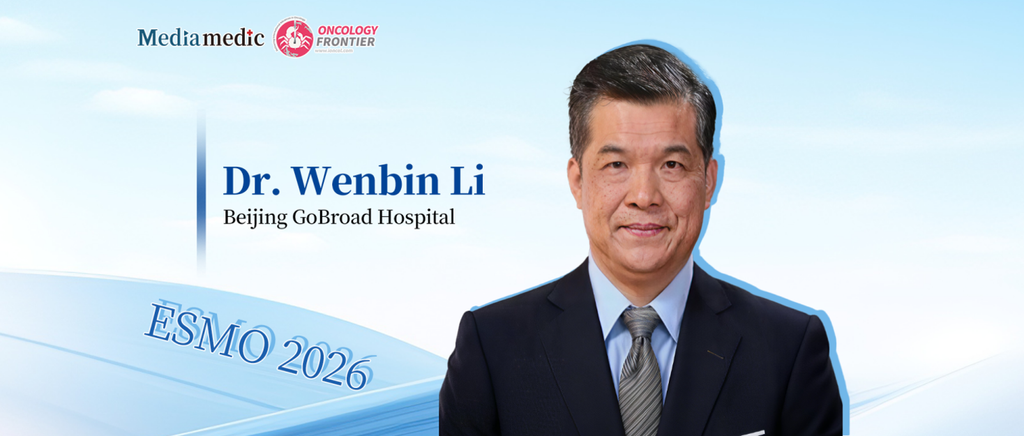
Editor's Note: Recurrent high-grade glioma (HGG) is associated with an extremely poor prognosis, particularly in patients with IDH-wildtype disease, whose median overall survival (OS) is only 6–10 months. Although targeted therapies have made progress, treatment of central nervous system (CNS) tumors remains extremely challenging because of the physiological barrier posed by the blood–brain barrier (BBB). At the 2026 European Society for Medical Oncology (ESMO) Congress, the team led by Professor Wenbin Li, Head of the Department of Neuro-Oncology at Beijing GoBroad Hospital, presented two research findings: an oral presentation of phase I data on the novel BRAF inhibitor HSK42360 in recurrent glioma, and large-scale prospective multicenter data on teniposide combined with platinum-based chemotherapy for recurrent HGG. On October 31, the 6th iHope Innovation Medicine Forum was held, focusing on the development of an Academic Research Organization (ARO) clinical research system and showcasing GoBroad Hospital's capabilities in building international multicenter clinical research networks and translating cutting-edge technologies into clinical practice. In this article, Professor Wenbin Li discusses breakthroughs in the clinical translation of innovative drugs and the evolving landscape of neuro-oncology treatment from the perspectives of translational medicine and clinical research.Oncology Frontier
At this year’s ESMO Congress, you presented phase I data on the novel BRAF inhibitor HSK42360 in recurrent glioma, while your team also released large-scale data on teniposide combined with platinum-based chemotherapy for recurrent high-grade glioma. Based on these studies, could you discuss the major advances achieved with these innovative drugs and treatment regimens, and what they could mean for patients?
Professor Wenbin Li: The treatment of gliomas has long been constrained by the physiological barrier posed by the blood–brain barrier (BBB). Many targeted therapies and macromolecular immunotherapeutic agents that are effective against extracranial tumors cannot penetrate the BBB and achieve therapeutically effective pharmacokinetic concentrations in the central nervous system (CNS) because of their large molecular size. This is a major bottleneck underlying the relatively slow progress in the treatment of CNS tumors.
At this year’s ESMO Congress, our team presented phase I clinical data on HSK42360 in recurrent glioma. As a novel BRAF inhibitor, its key pharmacological design advantages include favorable BBB penetration and high target selectivity. The study results showed objective response rates (ORRs) of 43% and 40% in patients with recurrent low-grade and high-grade gliomas, respectively. In the development of drugs for solid tumors, an ORR exceeding 30% is generally considered an indication that a drug has the potential for further development and eventual marketing approval. These findings attracted considerable attention at the congress, and the discussants recommended advancing the drug into earlier lines of treatment, with the aim of enabling patients to benefit during an earlier treatment window.
In addition, given that several recent phase III trials of targeted therapies have failed to achieve substantial improvements in OS among patients with recurrent HGG, our team reassessed conventional cytotoxic agents with high BBB penetration. We conducted a multicenter, open-label, single-arm trial (ChiCTR2300073961) to evaluate the efficacy and safety of teniposide combined with cisplatin or carboplatin in recurrent HGG. Among the 97 evaluable patients, 46.4% had previously received three or more lines of treatment. Median OS reached 19.3 months, the 6-month OS rate was 78.6%, and median progression-free survival (PFS) was 5.4 months. The ORR among evaluable patients was 17.8%, including five complete responses (CRs), while the disease control rate (DCR) reached 72.6%. Notably, the regimen retained clear clinical activity in the 23 patients who had previously received etoposide, with a DCR of 66.7%. These findings offer a potentially valuable treatment strategy for patients with recurrent HGG whose disease has progressed after multiple lines of therapy.
Oncology Frontier
The blood–brain barrier is a major obstacle to drug development for CNS diseases. Looking ahead, what do you believe are the key strategies for achieving breakthroughs in the treatment of CNS tumors?
Professor Wenbin Li: The median survival of patients with glioblastoma (GBM), currently approximately 14.6 months, has remained largely unchanged over the past 15 years. Conventional radiotherapy and chemotherapy have reached a therapeutic plateau. Future breakthroughs are likely to come primarily from targeted therapy, immunotherapy, and metabolic therapy, with the key challenge being to solve the pharmacokinetic problem of getting drugs into the brain.
To address the difficulty that macromolecular immunotherapeutic agents, such as conventional PD-1 antibodies, have in penetrating the BBB, our team is advancing the development of small-molecule PD-1 inhibitors capable of crossing this barrier, and we have already observed preliminary antitumor activity. For key driver genes such as BRAF, we are also continuously optimizing drug penetration and target selectivity. In addition, conventional chemotherapeutic agents with high BBB penetration, such as teniposide, can also play a clinical role when used in rational combination regimens.
At present, China holds a significant position internationally in the number of clinical trials conducted in areas such as gliomas and CNS lymphoma. Leveraging the clinical research platform at Beijing GoBroad Hospital, our team will continue to conduct rigorous clinical trials and advance drug development, with the goal of improving survival outcomes for patients.
Oncology Frontier
The recently held 6th iHope Innovation Medicine Forum introduced a range of innovative technologies. Looking ahead, which other technologies or research directions do you believe have the potential to substantially change clinical practice?
Professor Wenbin Li: The 6th iHope Innovation Medicine Forum was an opportunity for academic exchange and practical exploration. For CNS tumors and solid tumors more broadly, future progress will depend on the integration of multiple technology platforms and the support of an ARO system.
In terms of specific technological directions, this year’s forum explored innovative therapeutic approaches including oncolytic viruses, cell therapy, proton therapy, photodynamic therapy, and theranostics in nuclear medicine. Taking CNS tumors as an example, oncolytic viruses can be delivered locally to directly lyse tumor cells and reshape the local antitumor immune microenvironment. Proton therapy, meanwhile, uses the physical properties of the Bragg peak to deliver highly precise irradiation to intracranial tumors while sparing normal brain tissue. The integration of these technologies may help overcome the limitations of conventional treatment approaches.
It is important to emphasize that both basic research and technological innovation must be validated through high-quality clinical research to establish their efficacy and safety. As demonstrated by the launch of the Global ARO Alliance at this forum, Beijing GoBroad Hospital is working to connect innovative technologies from China and abroad, pharmaceutical companies’ development pipelines, and unmet clinical needs. Our team will also seize this opportunity to validate these therapies through standardized, international multicenter clinical trials and translate them into treatment strategies capable of changing clinical practice and extending patient survival.
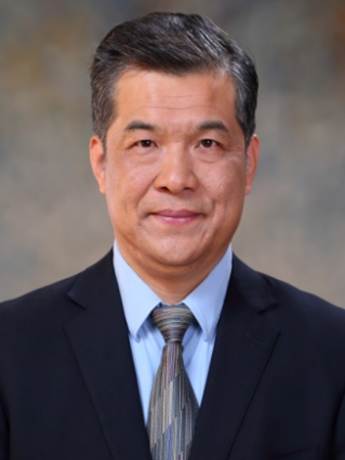
Professor Wenbin Li