Patients with warm autoimmune hemolytic anemia (wAIHA) have long faced a significant lack of effective second-line treatment options, often becoming trapped in a cycle of corticosteroid dependence and recurrent disease relapse. At the 2026 European Hematology Association (EHA) Congress, Professor Bing Han of Peking Union Medical College Hospital presented the pivotal results of the Phase III ESLIM-02 trial evaluating sovleplenib in wAIHA. The study represents a major breakthrough in a field that has historically lacked targeted therapies and offers new hope for convenient outpatient management of this chronic autoimmune disorder.During the meeting, Oncology Frontier – Hematology Frontier invited Professor Han to discuss the clinical significance of the ESLIM-02 trial and share her perspective on the future treatment landscape of wAIHA.
Oncology Frontier – Hematology Frontier:
Warm autoimmune hemolytic anemia has long lacked standardized second-line treatment options, and many patients experience relapse or inadequate responses following corticosteroid therapy. What do you believe is the significance of the ESLIM-02 results in addressing these unmet clinical needs?
Professor Bing Han:
The ESLIM-02 study is a large-scale, prospective, placebo-controlled Phase III trial conducted across multiple centers in China, building upon the encouraging findings from earlier Phase II studies. Importantly, the trial successfully met its predefined primary endpoint of durable response rate.
The results showed a durable response rate of 66% in the sovleplenib group compared with 15% in the placebo group, representing a highly significant difference between the two arms. Furthermore, the study demonstrated favorable outcomes across multiple secondary endpoints. Subgroup analyses consistently showed superior efficacy with sovleplenib regardless of patients’ baseline characteristics.
These findings provide compelling evidence that sovleplenib offers rapid onset of action, robust efficacy, and a favorable safety profile in patients with difficult-to-treat autoimmune hemolytic anemia. Based on these positive Phase III data, the drug has the potential to obtain regulatory approval in China and become an important new therapeutic option for patients with refractory disease.
Oncology Frontier – Hematology Frontier:
The study demonstrated that sovleplenib increased the durable hemoglobin response rate from 15% to 66% while significantly reducing the need for transfusions and rescue therapies. Which findings do you consider most clinically meaningful? What implications do the results have for patients previously treated with rituximab?
Professor Bing Han:
The primary endpoint of the study was durable hematologic improvement, a particularly rigorous endpoint requiring patients to meet predefined response criteria at three consecutive assessment time points without receiving rescue therapy.
The durable response rate reached 66% in the sovleplenib arm versus 15% in the placebo arm, with a highly significant difference between the groups (P<0.0001). This is a remarkably convincing result.
Of particular interest, patients who had previously received rituximab or other anti-CD20 therapies also derived substantial benefit from sovleplenib. In this subgroup, the durable response rate was 69% with sovleplenib compared with 16% with placebo (P=0.0022). This finding suggests that sovleplenib may represent an effective treatment option even after failure of rituximab-based therapy.
Equally encouraging is the drug’s safety profile. Rates of grade 3 or higher adverse events were low, no treatment-related deaths were observed, and no new safety signals emerged during the study. As an oral targeted therapy, sovleplenib also avoids many of the logistical burdens associated with frequent hospital visits or intravenous treatments.
Overall, sovleplenib combines strong efficacy with excellent tolerability and has the potential to become a convenient and highly effective treatment option for patients with refractory wAIHA.
Oncology Frontier – Hematology Frontier:
As a novel SYK inhibitor, sovleplenib demonstrated both efficacy and safety in this Phase III trial. How do you envision its future role in the treatment of wAIHA? Could it potentially transform treatment paradigms in China and globally?
Professor Bing Han:
To date, there remains no universally accepted standard second-line treatment for patients with corticosteroid-refractory wAIHA. Traditional options, such as rituximab and other monoclonal antibodies, are administered intravenously, can be costly, may be associated with significant adverse effects, and often require hospital-based treatment. These factors place considerable physical, emotional, and financial burdens on patients.
In contrast, sovleplenib is a novel oral targeted therapy that offers both convenience and highly encouraging efficacy and safety outcomes.
From a long-term disease management perspective, autoimmune hemolytic anemia is typically a chronic condition. Patients often hope to maintain normal daily activities, remain at home, and return to work and social life. The ability to effectively control disease with an oral therapy administered outside the hospital setting is therefore highly attractive and has the potential to significantly improve quality of life.
Looking ahead, the ESLIM-02 trial provides robust prospective clinical evidence supporting the use of sovleplenib in this setting. If these findings are further validated and gain broad acceptance within the medical community, sovleplenib could ultimately receive strong recommendations in major clinical practice guidelines.
Of course, the final determination of its place in therapy will depend on the continued analysis, publication, and long-term follow-up of these data.


Expert Profile

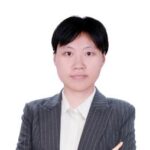
Professor Bing Han
Peking Union Medical College Hospital
Professor Bing Han is a Chief Physician and Doctoral Supervisor in the Department of Hematology at Peking Union Medical College Hospital and serves as Head of the Red Blood Cell Disorders Group.
She is a core member of the International Primary Immune Cytopenia Group (IPIG) and holds numerous leadership positions in national and international hematology organizations, including:
- Vice Chair of the Red Blood Cell Disorders Committee, Chinese Society of Hematology
- Head of the PNH Working Group, Rare Diseases Committee of the Chinese Society of Hematology
- Vice Chair of the Red Blood Cell Academic Committee, Chinese Geriatrics Society Hematology Branch
- Vice Chair of the MDS and MPN Working Group, Hematologic Oncology Committee of the Chinese Anti-Cancer Association
- Vice Chair of the MDS Working Group, Chinese Medical Women’s Association
- Vice Chair of the Red Blood Cell Disease Committee, Beijing Cancer Prevention and Treatment Society
Professor Han has devoted her career to the diagnosis and management of red blood cell disorders, autoimmune hemolytic anemia, paroxysmal nocturnal hemoglobinuria (PNH), and other rare hematologic diseases, making significant contributions to both clinical practice and research in these fields.