Patients with T-cell acute lymphoblastic leukemia/lymphoma (T-ALL/LBL) who relapse after allogeneic hematopoietic stem cell transplantation (allo-HSCT) have an extremely poor prognosis. Historically, treatment options have been limited, and even with a second transplant, long-term survival has remained below 30%. There is therefore an urgent need for more effective therapeutic strategies. At the 2026 Annual Meeting of the European Society for Blood and Marrow Transplantation (EBMT), Professor Xing-Yu Cao from Lu Daopei Hospital (Beijing and Hebei Yanda campuses) presented an oral report titled “Long-term efficacy of CD7 CAR-T followed by second allogeneic hematopoietic stem cell transplantation in relapsed T-ALL/LBL after prior transplantation.” This study offers a promising new therapeutic pathway and potential curative opportunity for this high-risk population.
During the meeting, Hematology Frontier invited Professor Cao to discuss the key findings and clinical implications of the study.
Q1
What is the key advantage of the CD7 CAR-T followed by second allo-HSCT strategy in patients who relapse after their first transplant?
Professor Xing-Yu Cao: Patients with T-ALL/LBL who relapse after allo-HSCT have extremely poor long-term outcomes, with historical survival rates of only around 20%. In our study, the integrated approach of CD7 CAR-T therapy followed by a second allo-HSCT significantly improved patient outcomes.
Based on current follow-up data, the 3-year overall survival rate is close to 50% (approximately 46%), and leukemia-free survival reaches 44%. Compared with conventional treatment strategies, this sequential approach not only markedly improves survival but also reduces the risk of relapse, offering a more promising therapeutic option for this extremely high-risk population.
Q2
Transplant-related mortality, particularly due to infections and GVHD, remains a major challenge. How can this strategy be further optimized to reduce these risks?
Professor Xing-Yu Cao: The patients included in this study were heavily pretreated and had already undergone multiple lines of therapy. According to previous literature, outcomes remain poor even after a second transplant in such populations. For example, a large EBMT retrospective study published in Leukemia in 2024 analyzed over 3,000 cases of second transplantation in hematologic malignancies and reported a 2-year overall survival of just over 30% and leukemia-free survival slightly above 20%.
In comparison, our strategy of CD7 CAR-T followed by second transplantation significantly improved survival outcomes. Notably, T-ALL/LBL is often resistant to conventional chemotherapy and relatively insensitive to the graft-versus-leukemia (GVL) effect, making these results particularly meaningful.
Further analysis showed that the relapse rate in prior EBMT data was approximately 50%, whereas in our study it was only 16%, indicating superior disease control. However, non-relapse mortality (NRM) remained high at around 48%. This is not entirely unexpected, given that patients had poor baseline status due to prior intensive treatments, and CAR-T therapy itself may introduce additional complications.
To further improve outcomes, several strategies should be considered. First, strengthening infection prevention and early intervention—particularly for viral infections—through the use of novel anti-infective agents and standardized management protocols. Second, optimizing graft-versus-host disease (GVHD) prevention and treatment, for example by adopting improved immunosuppressive strategies such as post-transplant cyclophosphamide (PTCy) or incorporating targeted agents like anti-CD25 antibodies. Third, refining conditioning regimens by appropriately reducing intensity to minimize treatment-related toxicity and thereby lower NRM.
Q3
Based on long-term follow-up, how do you see the future clinical role of this sequential strategy?
Professor Xing-Yu Cao: Current data show that this combined treatment strategy achieves a long-term survival rate approaching 50%, providing a viable therapeutic option for heavily pretreated patients with relapsed T-ALL/LBL. Importantly, it suggests that relapse after transplantation does not necessarily eliminate the possibility of cure.
This approach has the potential to become a recommended option in clinical practice. However, further optimization is still needed. As discussed, reducing transplant-related complications—particularly infections and GVHD—without increasing relapse risk remains a key priority.
With the continued development of novel agents and improvements in conditioning regimens, these challenges are likely to be gradually addressed. In addition, longer follow-up is required to obtain more mature survival data. Looking ahead, advances in CAR-T technology and related fields are expected to further enhance the efficacy of this sequential strategy.
Study Summary
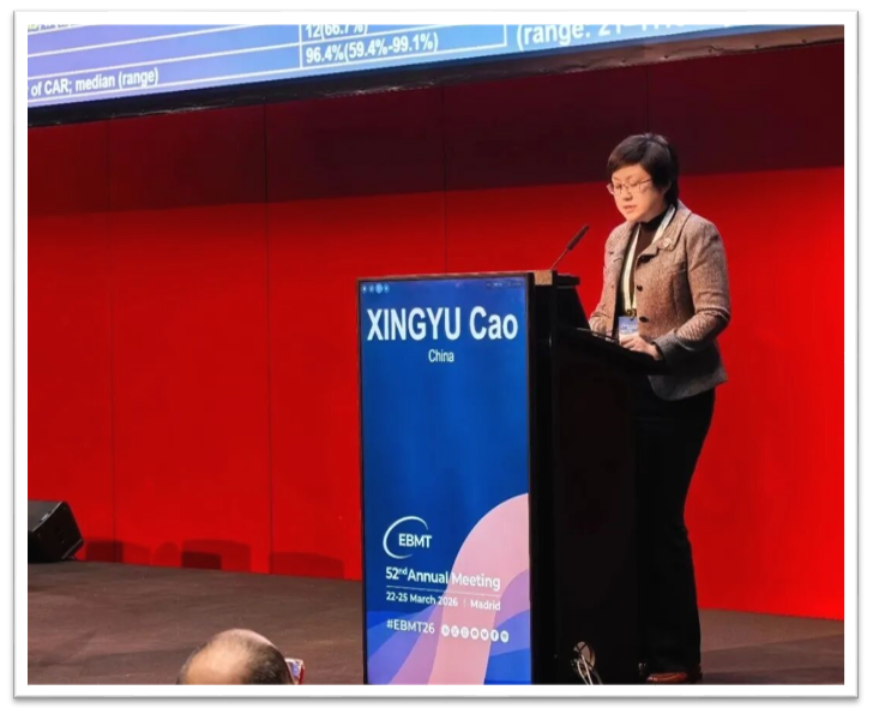
OS08-06: Long-term efficacy of CD7 CAR-T followed by second allo-HSCT in relapsed T-ALL/LBL after prior transplantation
This study included 18 patients (16 with T-ALL and 2 with T-LBL) who relapsed after their first allo-HSCT and achieved MRD-negative complete remission following CD7 CAR-T therapy before undergoing a second allo-HSCT between January 2021 and January 2024.
At the time of the second transplant, the median age was 29.7 years. All patients achieved MRD-negative remission prior to transplantation, and most patients with extramedullary disease achieved complete response. Donors were changed for all second transplants, with most receiving haploidentical grafts.
With a median follow-up of 510 days, the estimated 3-year overall survival was 46.4%, and leukemia-free survival was 44.4%. The cumulative incidence of relapse was 16.7%, while non-relapse mortality reached 48.0%.
Acute GVHD occurred frequently, with grade II–IV incidence of 66.7% and grade III–IV incidence of 44.4% within 100 days. The 1-year incidence of chronic GVHD was 34.7%, with moderate-to-severe cases in 11.1%. Viral reactivation was also common, with CMV viremia in 66.7% and EBV viremia in 22.2% of patients.
A total of nine patients died after the second transplant, with causes including infection, GVHD, transplant-associated thrombotic microangiopathy, relapse, renal failure, and intracranial hemorrhage.
Overall, CD7 CAR-T therapy effectively induces remission and enables a second allo-HSCT as a consolidation strategy, offering a potential curative pathway for this high-risk population. However, transplant-related mortality remains a critical challenge, underscoring the need for further optimization through larger studies and longer follow-up.
Expert Profile
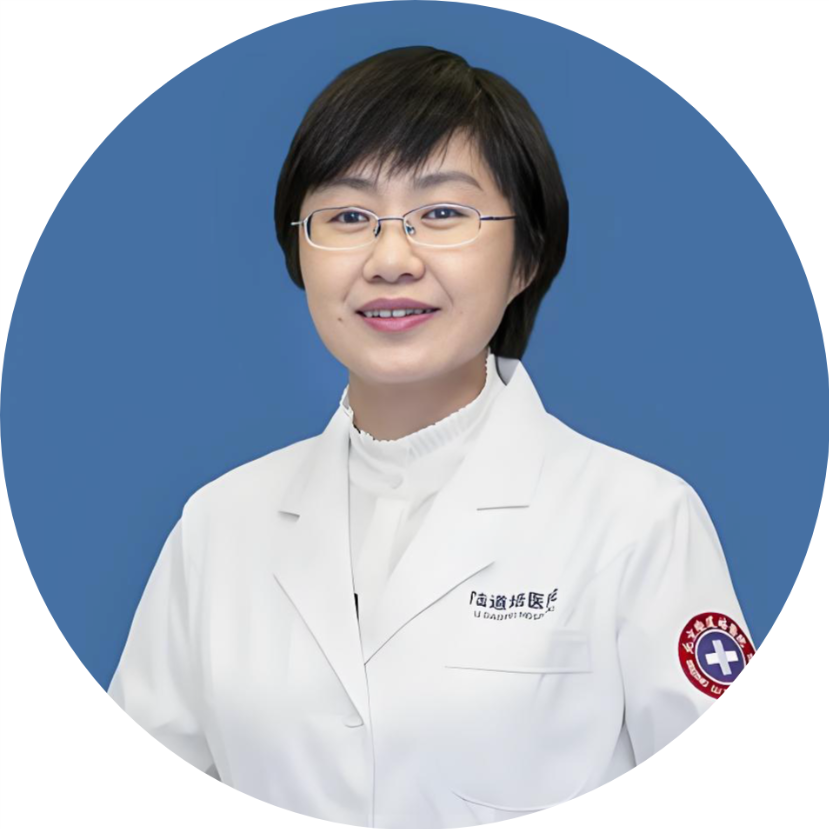
Professor Xing-Yu Cao Lu Daopei Hospital
Professor Cao is a Chief Physician and transplant specialist. She serves as Director of the Bone Marrow Transplantation Department (Vice President level) at Beijing Lu Daopei Hospital and Hebei Yanda Lu Daopei Hospital.
She is a member of the Hematology Committee of the Beijing Medical Association, a committee member of the Hematopoietic Stem Cell Transplantation Committee of the Beijing Anti-Cancer Association, a standing member of the Hebei Experimental Hematology Society, and a young committee member of the Hematologic Malignancies Translational Committee of the Chinese Anti-Cancer Association.