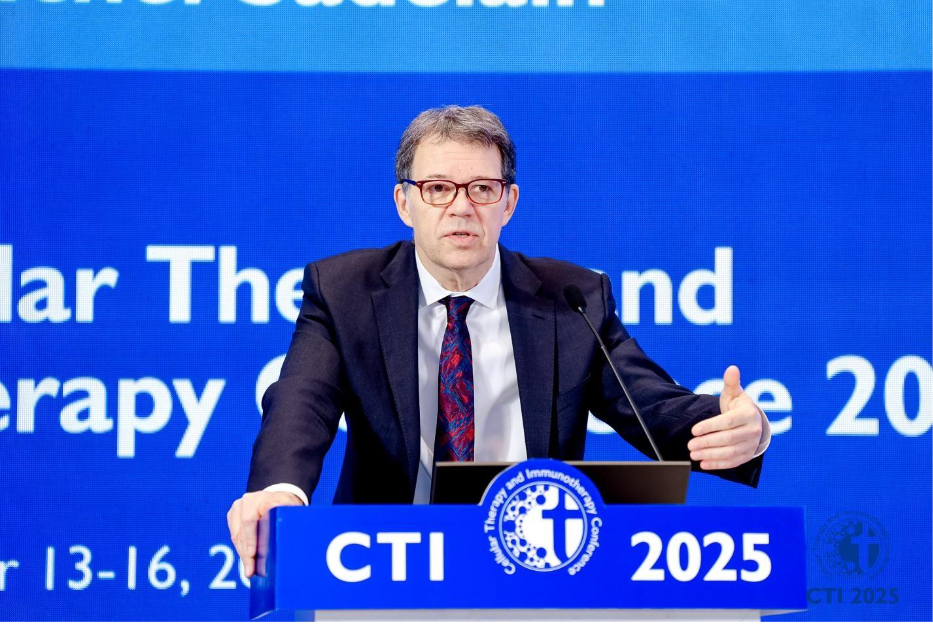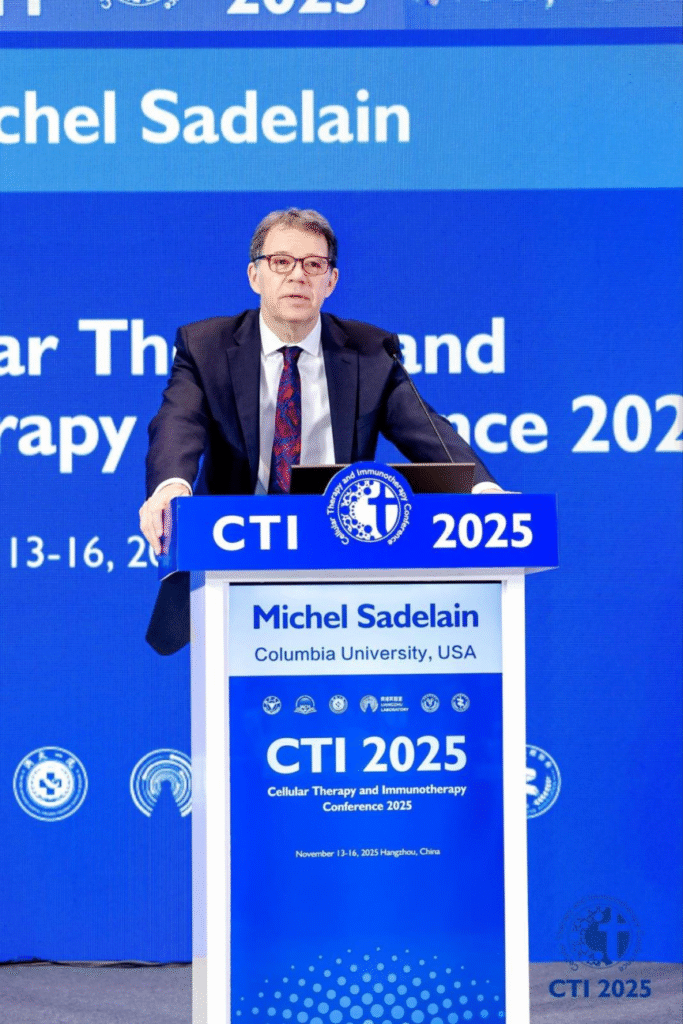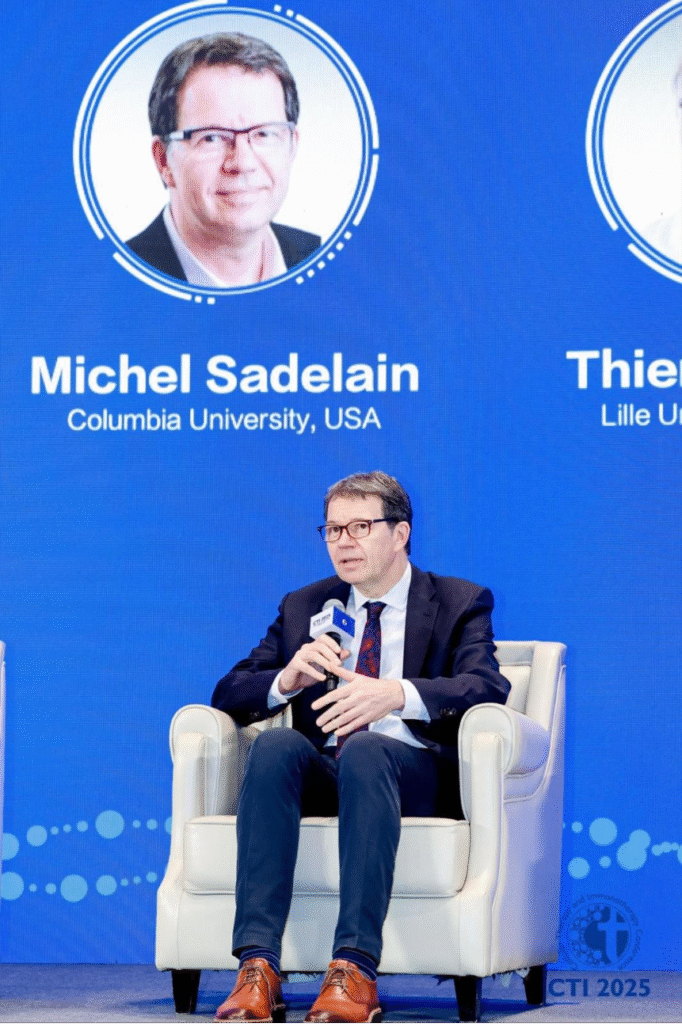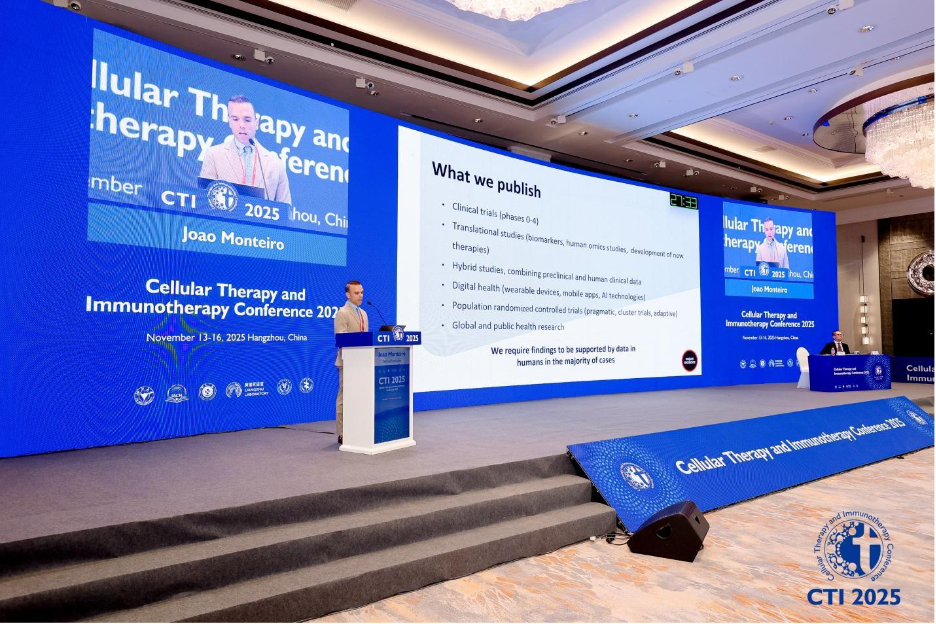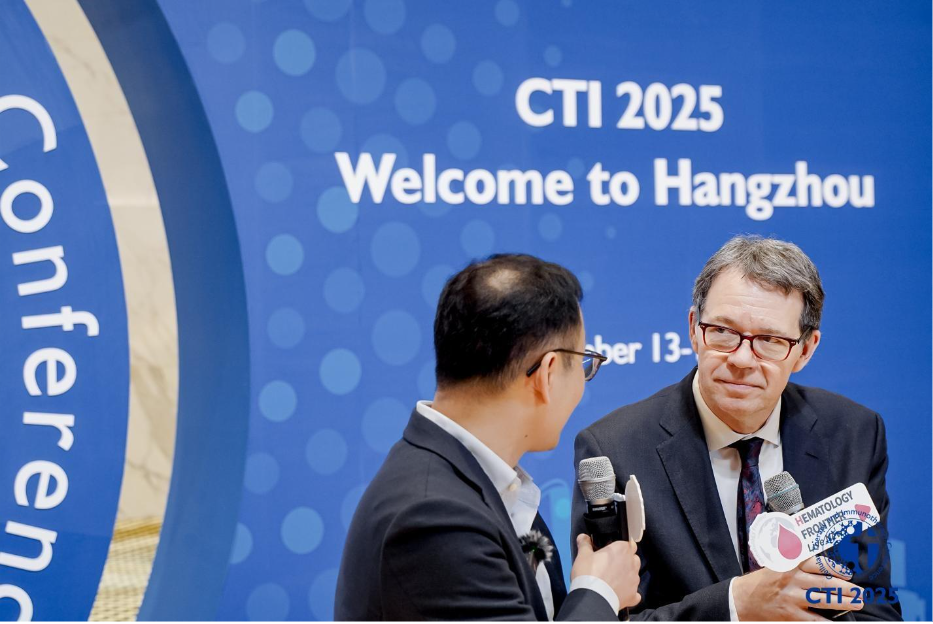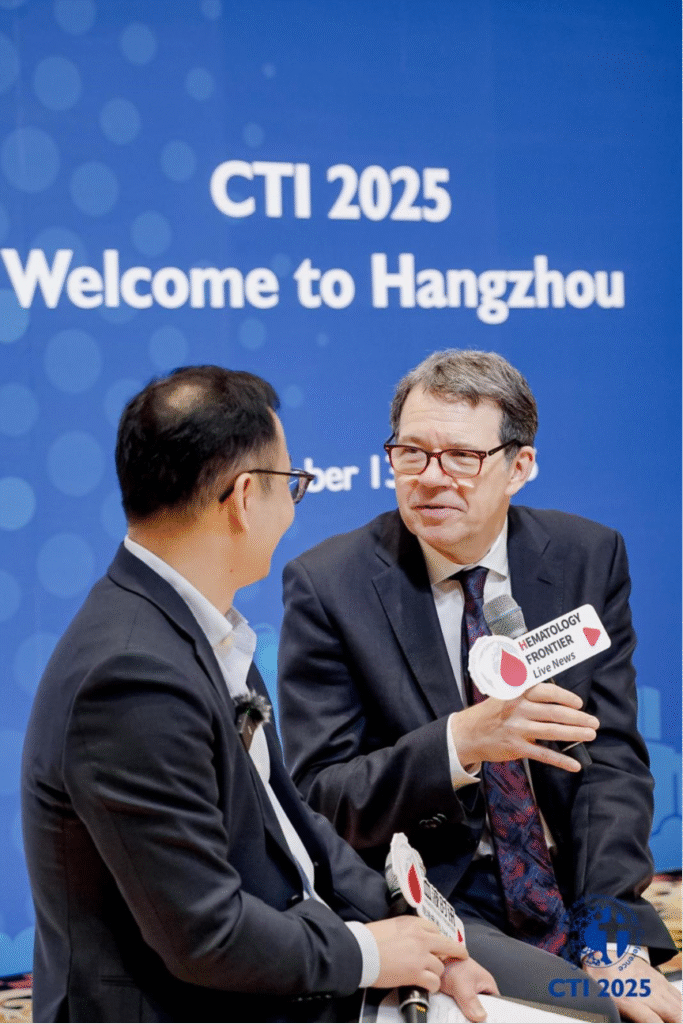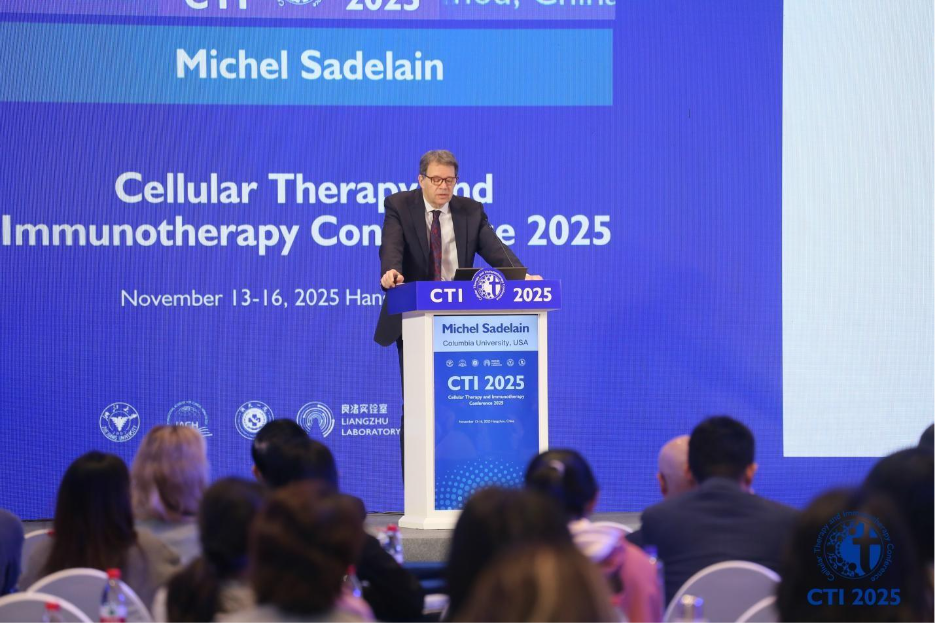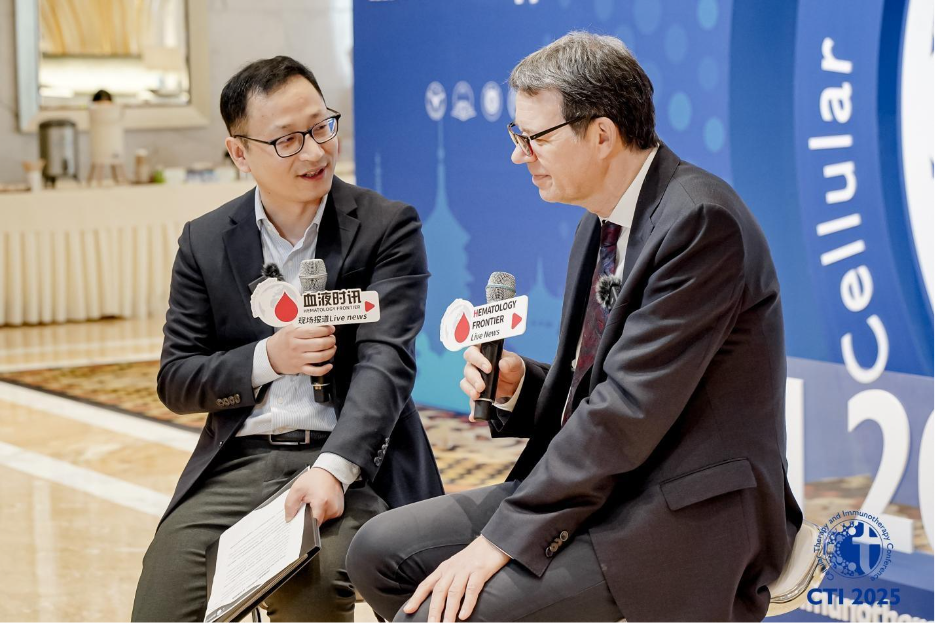
As a revolutionary technology selected among the “Top 10 Global Engineering Achievements of 2024,” CAR-T therapy marks the arrival of the cellular therapy era and brings transformative possibilities to the treatment of cancer and major diseases. During the 2025 International Conference on Cellular and Immune Therapy, a deep dialogue between Prof. Pei Shanshan from Liangzhu Laboratory and the First Affiliated Hospital of Zhejiang University School of Medicine, and Prof. Michel Sadelain, a founding pioneer in the CAR-T field and Director of the Columbia Initiative in Cell Engineering and Therapy (CICET), offered a panoramic exploration of this frontier field. From the pioneering conceptual origins of cellular therapy, to the precise selection of the CD19 target, to more than two decades of persistence behind clinical breakthroughs, and further to the expansion toward autoimmune diseases, the dialogue advanced step by step. It revisited the evolution of the technology from “an impossible idea” to clinical success, directly addressed core challenges such as cancer heterogeneity and treatment cost, and looked ahead to next-generation technologies such as in vivo CAR-T. Hematology Frontier – Blood News hascompiled the full content to present a systematic overview of the past, present, and future of CAR-T therapy. Pioneering a Path: The Origin and Breakthrough of CAR-T
Prof. Pei Shanshan first noted that Prof. Sadelain has been recognized with numerous honors in recent years, including the Richard N. Merkin Prize awarded by MIT and the inaugural Broermann Award for Medical Innovation in Germany, underscoring his pioneering contributions to CAR-T therapy. Based on this, he posed a series of questions: What transformative changes has CAR-T brought to the field of cancer treatment? Where might the most noteworthy future advances appear? What key scientific issues must now be addressed?
Prof. Sadelain replied that these questions touch upon the essential nature of immunotherapy. He emphasized that the human immune system is a finely tuned defense system that protects us from viruses, bacteria, and parasites, yet shows clear limitations in fighting cancer. As the second leading cause of death worldwide, cancer takes countless lives every year, indicating that despite its power, the immune system’s anticancer capacity is far from perfect. During his doctoral studies in immunology, he realized that new ways were needed to enhance the immune system’s anticancer effectiveness.
Traditional vaccines work by activating existing immune cells, but this approach is not sufficient for cancer. Prof. Sadelain asked whether, if the body cannot effectively eliminate tumors on its own, gene engineering could be used to “educate” T cells so that they can precisely recognize and eliminate cancer cells. This idea led to the design of the chimeric antigen receptor (CAR) and the development of technologies to introduce CAR genes into T cells.
Regarding target selection, his team conducted extensive evaluations and ultimately chose CD19 as the ideal target. The first clinical trials showed remarkable responses. Prof. Sadelain stressed, however, that such results were not achieved overnight. For more than twenty years, most people doubted the concept, believing it to be unrealistic and impossible to realize. Thus, when awards were given to him after twenty-five or thirty years, they represented not only recognition of his work but also acknowledgment of the field’s perseverance.
Prof. Pei recalled a chart presented in Prof. Sadelain’s keynote report at the 2025 Immune Therapy Conference, which showed the steady increase in CAR-T clinical studies since the early 2000s, reaching rapid growth by 2025. Prof. Sadelain said this development exceeded what he imagined decades ago. The first CAR-T infusion was performed in June 2007, but for several subsequent years, patient enrollment was very difficult, and many colleagues were critical of the method. Only after several years did the situation begin to change. Today, CAR-T therapy is experiencing a second wave of progress, with applications expanding beyond cancer, especially into autoimmune diseases.
Deepening the Target: From Cancer to Autoimmune Disease
Prof. Pei pointed out that the recent success of CD19 CAR-T in autoimmune diseases seems to fulfill an early intention embedded in the initial choice of the target. He asked whether choosing CD19 instead of the then-more-common CD20 had anticipated today’s expanded applications.
Prof. Sadelain explained that the decision dates back to the 1990s. The team needed to choose a disease model, and considering future potential application, they believed hematologic malignancies were ideal because T cells can home to the bone marrow and operate effectively there. CD19 was chosen over CD20 for two reasons: CD19 has higher expression density on B cells, and, more importantly, the team foresaw that if patients received CAR-T therapy and B cells were eliminated, patients would no longer produce antibodies against the CAR structure, thereby reducing immune rejection. In other words, they knew early on that CD19 CAR-T could also remove pathogenic B cells in autoimmune disorders, though they did not pursue this direction immediately. Years later, German researchers first applied CD19 CAR-T in autoimmune disease patients, with very encouraging results. Today, China is at the forefront of global clinical research in this area, with trials underway in Shanghai, Hangzhou, and other centers, which Prof. Sadelain said gives him great excitement and satisfaction.
Breaking Through: Addressing the Challenge of Cancer Heterogeneity
Cancer heterogeneity is a fundamental barrier to targeted therapy. Prof. Pei asked how this challenge should be addressed and invited Prof. Sadelain to comment on his team’s recent advances.
Prof. Sadelain noted that this is indeed one of the greatest scientific obstacles to the broad application of CAR-T therapy. B-cell lymphoma and leukemia became the first successful diseases for CAR-T largely because CD19 is expressed on almost all malignant B cells, a rare uniformity among cancers. In contrast, most solid tumors and many hematologic malignancies show very different patterns. As demonstrated in Prof. Pei’s research on acute myeloid leukemia, tumors constantly change their antigen expression during evolution, leading to antigen loss or mutation. Overcoming this challenge requires multi-target strategies. This means not only identifying more candidate targets but also going beyond natural limitations—natural T cells typically recognize only one antigen, whereas engineered CAR-T cells must be designed to recognize several. Such attempts to move “beyond nature” are difficult but highly compelling. Prof. Pei added that this is akin to accelerating T-cell evolution so they can keep up with tumor changes.
Prof. Pei also mentioned the HIT CAR technology introduced in Prof. Sadelain’s presentation, which allows CAR-T cells to respond even to low-density targets like CD70, offering a potential strategy against heterogeneity. Prof. Sadelain affirmed that more sensitive CAR designs broaden the range of usable targets. Historically, research focused on highly expressed molecules because they were easier to identify, but such targets are limited in number. With improved technologies, researchers can now explore many moderate- and low-abundance molecules, increasing confidence in finding effective target combinations.
Long-Term Planning: Cost Optimization and Future Outlook
Prof. Pei then asked about the broader development strategy for cellular therapies, including their role and future prospects in safeguarding human health.
Prof. Sadelain noted that this is a multifaceted issue. The pharmaceutical industry has limited experience with cell-based medicines because living-cell therapies differ fundamentally from conventional chemical or protein drugs, whose production and quality control systems are well established. Cell therapies, by contrast, require entirely new standards for manufacture, storage, transport, and clinical administration. This poses essential challenges for industry, hospitals, and insurance systems, making cost reduction an urgent priority.
He revealed that part of his team’s current experimental work is aimed not only at scientific questions but also at improving processes to reduce cost, which is vital for expanding patient access. If economic barriers prevent the development of treatments with curative potential, it would be a major loss for medicine. When asked whether in vivo CAR-T might help solve the cost issue, Prof. Sadelain said that it is indeed a direction of great interest. China already has related trials underway, but safety and efficacy remain to be validated. This approach, which introduces genetic modifications directly inside the patient without ex vivo cell expansion, may suit certain diseases or patients but not necessarily all.
Prof. Sadelain compared the evolution of cellular therapy to the early days of chemotherapy pioneered by Sidney Farber in a hospital basement—few believed such a new approach could transform oncology, yet after a century, chemotherapy became foundational. Cellular therapy is now undergoing a similar paradigm shift. Both scholars agreed that future progress requires continuous scientific exploration, technological innovation, and adaptation of clinical and industrial systems. CAR-T therapy is poised to play a more central role in future medical practice.
Summary
This dialogue, spanning scientific discovery and industrial development, delineates the trajectory and future blueprint of CAR-T therapy. In origin, CAR-T emerged from scientists’ efforts to overcome the immune system’s limitations against cancer, turning decades of skepticism into clinical breakthroughs. In application, the forward-looking selection of CD19 enabled expansion from hematologic malignancies into autoimmune diseases, with China now leading globally in related clinical studies. Regarding challenges, multi-target strategies and new technologies provide potential solutions to tumor heterogeneity. Looking ahead, innovations such as in vivo CAR-T aim to address high cost and limited accessibility, offering hope to more patients worldwide. The progress of CAR-T therapy relies on persistent original scientific research, technological advancement, and coordinated clinical and industrial efforts. It has already become a pillar of cancer treatment and is expected to play an increasingly important role across disease areas, opening a new chapter in modern medicine.