

Editor’s Note: The 2026 Genitourinary Cancers Symposium of the American Society of Clinical Oncology (ASCO GU 2026) was held in San Francisco, USA, from February 26 to 28, showcasing some of the most innovative scientific advances in the field and exploring future directions in the treatment of genitourinary malignancies. In recent years, research and clinical practice in urologic oncology in China have advanced rapidly. More than 70 studies led by Chinese experts and investigators were presented at the meeting. Among them, the Department of Urology at West China Hospital of Sichuan University contributed 10 studies, including six in prostate cancer, two in upper tract urothelial carcinoma, and two in renal cell carcinoma, highlighting the growing impact of Chinese research on the global stage.Prostate cancer has become one of the most common malignancies among men in China, with its incidence continuing to rise in recent years. As precision diagnosis and treatment strategies are increasingly applied earlier in the disease course, a key global challenge is how to achieve deeper, faster, and more durable disease control at the time of initial diagnosis, while also preserving patients’ long-term quality of life.
At ASCO GU 2026, the PSA deep response results from the China subgroup of the LIBERTAS study were reported publicly for the first time. With robust data from Chinese patients, clearly demonstrated clinical benefits, and a forward-looking management concept that moves “from treatment intensification toward treatment de-escalation,” the findings attracted significant attention from the international oncology community. We invited Professor Qiang Dong, first author of the LIBERTAS China subgroup analysis from West China Hospital of Sichuan University, to provide an in-depth interpretation of the study highlights and its broader strategic significance.
01
Several studies from you and your team were selected for presentation at this year’s ASCO GU meeting. Could you share the key findings of these studies?
Professor Qiang Dong: It is a great honor to share the important interim findings from the China subgroup of the LIBERTAS study with colleagues worldwide at ASCO GU 2026. The data presented this time focus on the PSA deep response outcomes in Chinese patients treated with apalutamide plus androgen deprivation therapy (ADT).
LIBERTAS is a global, multicenter, phase III clinical trial designed around a key clinical question: how to optimize treatment after achieving a deep response. The study aims to evaluate whether intermittent ADT can maintain radiographic progression-free survival (rPFS) while reducing hot flash burden and improving quality of life in patients with metastatic hormone-sensitive prostate cancer (mHSPC) who achieve PSA <0.2 ng/mL after 6 months of treatment with apalutamide plus ADT.
In the China subgroup, a total of 36 patients were enrolled, among whom 22 patients entered the main study phase after completing the 6-month induction therapy and achieving PSA <0.2 ng/mL.
The data demonstrate rapid and profound PSA responses among Chinese patients:
- At 3 months of treatment, PSA50 response reached 100%, PSA90 reached 94.4%, 30.6% of patients achieved PSA <0.2 ng/mL.
- After 6 months of treatment, PSA50 remained at 100%, PSA90 increased to 97.2%, 61.1% of patients achieved PSA <0.2 ng/mL.
These findings are highly consistent with the results observed in the overall global population and align with the efficacy trends established in the TITAN study, demonstrating strong consistency of treatment benefit across populations and geographic regions.
In terms of safety, no new safety signals were observed in the China subgroup, and the treatment regimen was generally well tolerated, further confirming the manageable safety profile of apalutamide in Chinese patients.
Overall, the China subgroup data presented at ASCO GU provide important regional evidence supporting the LIBERTAS study and highlight China’s active participation and academic contribution to the global clinical research landscape in prostate cancer.
02
What insights do these findings offer for clinical practice in China?
Professor Qiang Dong: The presentation of the China subgroup results at ASCO GU conveys several important messages to the international academic community.
First, intensified treatment with apalutamide plus ADT at the stage of newly diagnosed mHSPC enables Chinese patients to achieve rapid and deep disease control, laying the foundation for long-term clinical benefit. Combined with the overall survival benefit demonstrated in the pivotal phase III TITAN trial, these China subgroup results further reinforce the role of apalutamide as a first-line standard treatment for newly diagnosed mHSPC.
This represents not only a validation of international evidence-based medicine within the Chinese population but also provides stronger and more direct local evidence to support clinical decision-making in China.
Second, the core innovation of the LIBERTAS study lies in exploring whether treatment burden can be reduced after patients achieve deep remission. The key scientific question addressed by the study—whether intermittent ADT can optimize long-term management while maintaining efficacy after a deep response is achieved—reflects the evolving treatment paradigm in prostate cancer.
As prostate cancer increasingly enters the stage of chronic disease management, treatment goals have shifted from simply prolonging survival to prolonging survival while optimizing quality of life. Reducing ADT-related adverse effects, such as hot flashes, while maintaining treatment efficacy is highly relevant for improving patients’ long-term well-being.
This shift—from therapeutic intensification (“addition”) to thoughtful de-escalation (“subtraction”)—represents an important evolution in prostate cancer management. By proactively addressing quality of life while maintaining treatment effectiveness, this approach embodies a dual value framework of “survival × quality of life,” and it may help guide more patient-centered long-term treatment strategies.
Third, from a broader perspective, the ability to present China subgroup data on the international academic stage reflects the continued advancement of China’s clinical research capacity in urologic oncology. Incorporating real-world data from Chinese patients into the global evidence framework enriches international academic discussions and provides more representative Asian evidence for future clinical guideline updates.
Looking ahead, we will continue to rely on high-quality clinical research to advance prostate cancer treatment in China toward greater standardization, precision, and patient-centered care, ultimately enabling more Chinese patients to achieve long-term, stable, and high-quality survival outcomes.

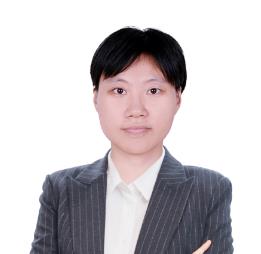
Professor Qiang Dong

