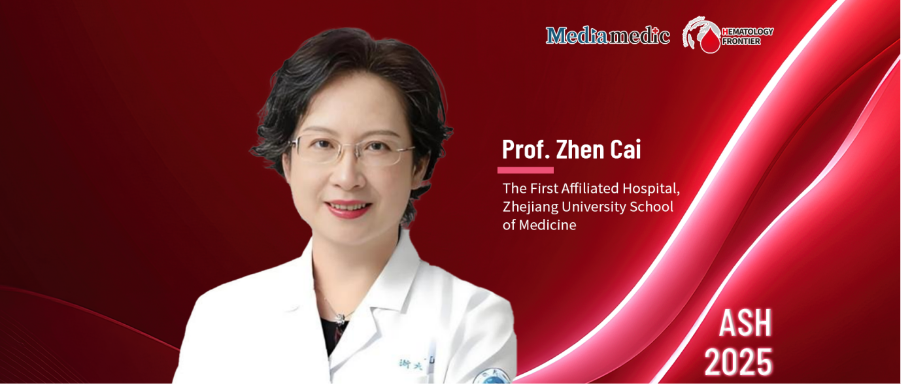
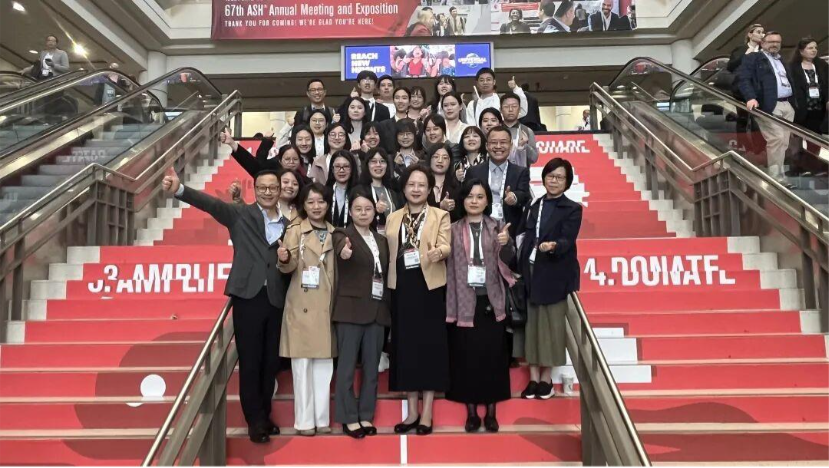
At the recent Annual Meeting of the American Society of Hematology (ASH), the team led by Professor Cai Zhen and Professor He Jingsong from The First Affiliated Hospital, Zhejiang University School of Medicine, had 12 studies accepted, comprehensively showcasing systematic investigations in multiple myeloma ranging from basic research to clinical translation. These studies focused on key scientific questions including the roots of disease relapse, mechanisms of drug resistance, prognostic evaluation, and therapeutic strategies, forming an integrated evidence chain from mechanistic discovery to clinical application. During the meeting, Hematology Frontier invited Professor Cai Zhen to provide an in-depth interpretation of the team’s research achievements and outline future research plans, offering valuable academic insights to advance the diagnosis and treatment of multiple myeloma. Professor Cai Zhen: At this year’s ASH meeting, our team had a total of 12 studies accepted, covering a broad spectrum of research topics and systematically spanning the full academic pathway from investigating mechanisms of disease relapse to optimizing therapeutic strategies.
Specifically, our work concentrated on four major innovative dimensions.
First, we mapped the “developmental trajectory” of myeloma cells. Our team was the first to identify a LILRB4⁺ cell subpopulation, which functions as a “seed cell” in multiple myeloma, characterized by strong tumorigenic potential and drug resistance. We further elucidated the EP300/TBX2 signaling pathway as a targetable axis, providing clear targets and directions for the development of novel targeted therapies.
Second, we established an immune gene–based prognostic prediction system. By assessing the clonal expansion proportion of the T-cell receptor β chain (TRB) in peripheral blood, we achieved a noninvasive and rapid method for prognostic evaluation. This approach demonstrated high predictive accuracy and has the potential to become a routine clinical tool for prognosis assessment in the future.
Third, we elucidated tumor microenvironment–mediated drug resistance mechanisms. Our studies identified three key regulatory mechanisms of resistance: YB-1 protein–mediated escape of tumor cells from chemotherapy; NAMPT-high macrophages creating a tumor-protective microenvironment through metabolic reprogramming; and NEDD4-1 protein reversing drug resistance by modulating macrophage functional phenotypes and restoring tumor cell sensitivity to therapy. These findings provide entirely new targets for the design of combination treatment strategies.
Fourth, we conducted clinical validation of innovative combination treatment regimens. Our team was the first globally to initiate a prospective clinical study of the Apo-KPd regimen. In a population of heavily refractory patients, including those who had failed CAR-T cell therapy, this regimen achieved an overall response rate exceeding 65%.
In terms of safety, the incidence of grade 3–4 adverse events was 23.8%, mainly including tumor lysis syndrome (14.3%), neutropenia (4.8%), thrombocytopenia (4.8%), and pneumonia (4.8%), consistent with the known toxicity profile of KPd. Common treatment-emergent adverse events included hepatic dysfunction (23.8%), elevated lactate dehydrogenase (23.8%), respiratory infections (19.0%), and tumor lysis syndrome (14.3%). No new toxicities related to Epunimin were observed, such as liver failure or severe immune-related toxicity, indicating that the combination regimen did not significantly increase overall toxicity.
Looking ahead, our future research will focus on three core directions: eliminating seed cells, remodeling the tumor microenvironment, and building intelligent predictive systems. In targeting myeloma stem-like cells, we plan to initiate clinical trials combining EP300 inhibitors with existing therapies to evaluate their efficacy in eradicating LILRB4⁺ seed cells and achieving deeper remission. In tumor microenvironment remodeling, we aim to pharmacologically reprogram macrophages from tumor-protective phenotypes to anti-tumor effector phenotypes, in combination with immunotherapy to enhance overall treatment efficacy. In developing intelligent prediction systems, we will integrate genomic sequencing, immune function assessment, and radiomics data to build and train artificial intelligence models capable of accurately predicting efficacy and adverse event risks of novel therapies such as CAR-T, thereby supporting personalized treatment decision-making. In parallel, we will advance multicenter clinical studies to further validate the efficacy and safety of the Apo-KPd regimen, with the goal of establishing it as a standard treatment option for relapsed/refractory multiple myeloma.
In summary, through multidimensional research efforts, our team aims to progressively achieve long-term disease control and ultimately potential cure for patients with multiple myeloma.
Expert Profiles
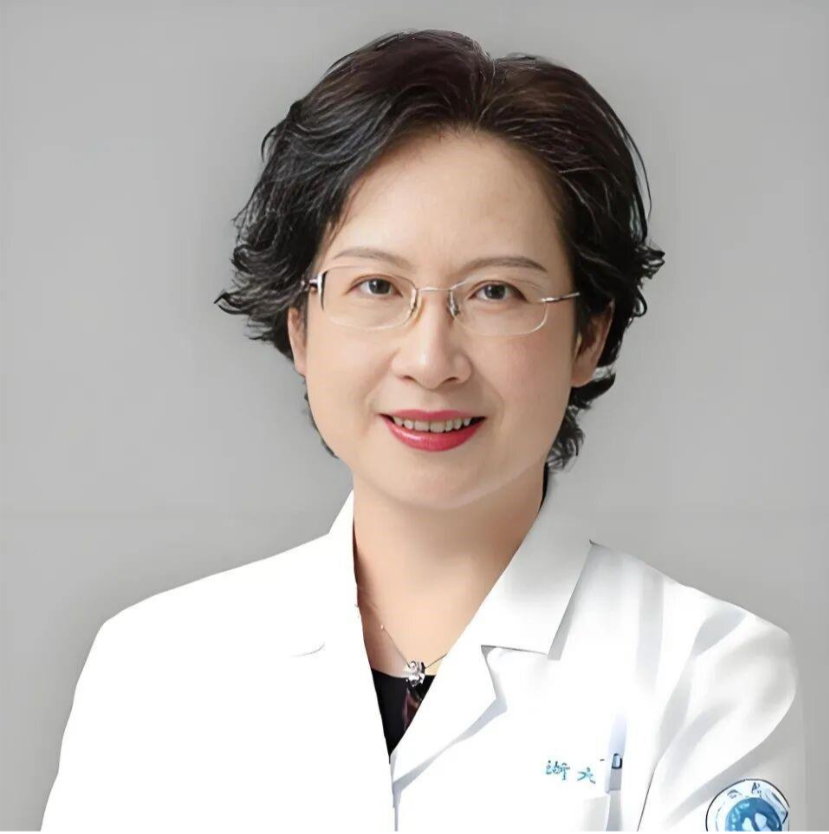
Professor Cai Zhen The First Affiliated Hospital, Zhejiang University School of Medicine MD, Qiushi Distinguished Physician of Zhejiang University, Second-Level Professor, Chief Physician, PhD Supervisor Director, Multiple Myeloma Treatment Center High-Level Innovative Talent of Zhejiang Province Chair, Hematologic and Lymphoma Oncology Committee, Zhejiang Anti-Cancer Association Chair-designate, Hematology Branch, Zhejiang Medical Association Member, Chinese Society of Hematology; Deputy Head, Plasma Cell Disease Group Standing Committee Member, Hematologic Oncology Committee, Chinese Anti-Cancer Association; Deputy Head, Multiple Myeloma Group Standing Committee Member, Hematologic Immunology Committee, Chinese Society for Immunology Deputy Head, CSCO China Autologous Hematopoietic Stem Cell Transplantation Working Group

Professor He Jingsong The First Affiliated Hospital, Zhejiang University School of Medicine Chief Physician, Director of Bone Marrow Transplantation Center, Deputy Director of the Department of Hematology, Master’s Supervisor Youth Committee Member, Zhejiang Hematology Branch, Chinese Medical Doctor Association Committee Member, Zhejiang Society of Immunology (Hematology Branch) Committee Member, Multiple Myeloma Group, Chinese Geriatrics Society (Hematology Branch) Committee Member, Multiple Myeloma Group, Hematology Branch of the Chinese Anti-Cancer Association