Precision diagnosis, standardized management, and therapeutic innovation in rare bleeding disorders remain important areas of focus in hematology. From improving patient registries and strengthening clinical diagnostic and treatment capabilities to deepening collaboration between basic and clinical research and promoting the translation of scientific discoveries, continued efforts are needed to ensure that more patients benefit from advances in the field. Meanwhile, breakthroughs in gene therapy for hemophilia have brought new hope for patients with inherited bleeding disorders. Oncology Frontier – Hematology Frontier invited Professor Lei Zhang of the Institute of Hematology and Blood Diseases Hospital, Chinese Academy of Medical Sciences, to share his team's experience in translational research on rare bleeding disorders and discuss patient selection, implementation challenges, and future directions in gene therapy for hemophilia.Oncology Frontier – Hematology Frontier: Your team has been deeply engaged in translational research on bleeding disorders for many years. Drawing on your team’s extensive experience, how can we efficiently design translational studies based on real-world clinical needs, given the challenges of difficult diagnosis and limited sample availability in many rare bleeding disorders? How can clinical observations be translated into practical diagnostic and treatment approaches?
Professor Lei Zhang: The number of patients seeking medical care for bleeding disorders, particularly rare bleeding disorders, is currently increasing. With improvements in healthcare services, patients’ demand for high-quality diagnosis and treatment continues to grow. Many patients are being referred from primary healthcare institutions to tertiary hospitals and national medical centers in pursuit of accurate diagnoses and effective treatment plans.
Against this background, we urgently need to advance the diagnosis and treatment of rare bleeding disorders systematically across three key areas:
01. Strengthen Medical Education and Improve Diagnostic Awareness at the Primary Care Level
Knowledge of rare bleeding disorders should be disseminated widely among healthcare professionals, particularly hematologists working in primary care settings, to ensure that they develop a sufficient understanding of these conditions.
When patients present at primary care outpatient clinics or emergency departments, physicians should be able to recognize potential cases promptly, initiate differential diagnosis, and develop an initial management plan.
Given that some primary hospitals have limited access to diagnostic tests and medications, patients may be referred to higher-level hospitals once a diagnosis is suspected or established. Existing resources, such as remote consultations, can also be used to help patients obtain timely diagnoses and appropriate treatment plans.
02. Establish a National Information Registry for Rare Diseases
Under the leadership of the Institute of Hematology and Blood Diseases Hospital, Chinese Academy of Medical Sciences, a National Hemophilia Information Registration Center has been established. More than 50,000 patients with hemophilia have been registered nationwide. The registry has also expanded to include patients with other rare bleeding disorders, such as von Willebrand disease (vWD) and Glanzmann thrombasthenia.
In the future, we plan to further expand the platform’s coverage and encourage hospitals at all levels across China to incorporate patients with rare bleeding disorders into a unified registration system. This will enable us to gain a comprehensive understanding of the epidemiology of rare bleeding disorders in China.
Ultimately, improvements in registration and diagnosis should serve the goals of long-term patient follow-up and standardized treatment, ensuring that patients in primary care settings and remote regions can receive care of a quality comparable to that provided by national-level hospitals.
03. Deepen Collaboration Between Basic and Clinical Research to Advance Translational Medicine
For certain rare bleeding disorders for which effective treatments are still lacking, patients need to undergo systematic genetic profiling and gene mutation testing. On this basis, close collaboration with basic scientists is essential to elucidate the precise mechanisms underlying these diseases and identify new therapeutic targets, thereby laying the groundwork for drug development.
Hemophilia is a good example. Its treatment has evolved from early plasma-derived coagulation factor replacement and recombinant coagulation factor therapies to today’s non-factor therapies, such as bispecific antibodies and RNA interference drugs, as well as gene therapy. This progress has gradually shifted the treatment paradigm from lifelong replacement therapy toward the possibility of a “one-time cure.”
This demonstrates that in-depth mechanistic research and technological breakthroughs can create the possibility of curing inherited rare diseases. However, many rare bleeding disorders remain incurable, largely because their underlying pathogenic mechanisms are not yet fully understood.
Through joint efforts by basic scientists and clinical researchers, newly identified therapeutic targets can be further developed through patent applications and collaborations with pharmaceutical companies. This will help translate basic research findings into clinically available therapies that can ultimately benefit patients.
In summary, coordinated progress across these three areas—strengthening medical education at the primary care level to improve disease awareness, improving information registration systems to support accurate diagnosis, and deepening basic-clinical collaboration to identify new targets and translate discoveries into novel therapies—offers hope for patients with rare bleeding disorders.
Oncology Frontier – Hematology Frontier: Your team has led key clinical trials of hemophilia gene therapy in China and witnessed the approval and launch of the country’s first gene therapy product for hemophilia. Based on your team’s experience, what baseline factors must be carefully considered when selecting patients who are suitable for gene therapy?
Professor Lei Zhang: Three gene therapy products for hemophilia have now been approved worldwide, including two in the United States and one in China. However, gene therapy for hemophilia is not suitable for every patient. Its clinical application is subject to several important eligibility criteria:
First, patients should not have coagulation factor inhibitors. Some patients receiving long-term coagulation factor replacement therapy develop neutralizing antibodies against the coagulation factors, known as inhibitors. Such patients are generally not suitable candidates for gene therapy.
Second, patients should have low titers of pre-existing neutralizing antibodies against adeno-associated virus (AAV). Current gene therapies for hemophilia primarily use AAV vectors to deliver therapeutic genes. However, the prevalence of pre-existing AAV-neutralizing antibodies in the population is relatively high, ranging from approximately 30% to 70%. If a patient’s antibody titer is too high, the AAV vector may be neutralized and cleared, resulting in a substantial reduction in transduction efficiency or even preventing effective gene expression altogether.
Third, patients should have generally normal liver function. During gene therapy, AAV vectors primarily target the liver. Patients with underlying liver conditions, such as active hepatitis, severe liver fibrosis, or cirrhosis, face increased treatment risks. These conditions are generally considered contraindications.
To overcome these limitations and expand the population that can benefit from gene therapy, efforts should focus on several areas:
First, optimize gene therapy vectors. Through capsid engineering, serotype screening, and other technological approaches, we should develop novel AAV vectors capable of evading recognition by pre-existing neutralizing antibodies, thereby expanding the eligible patient population.
Second, standardize treatment timing and patient management. Patients being considered for gene therapy should receive standardized coagulation factor replacement therapy before treatment to maintain good overall health. Their eligibility for treatment should then be assessed once they reach adulthood.
Third, promote the application of emerging technologies such as gene editing. With the continued development of gene-editing technologies, including CRISPR, more precise and efficient genetic modification approaches may further improve the safety and efficacy of gene therapy.
In addition, access to gene therapy remains a major challenge. Hemophilia gene therapies marketed in the United States are priced at several million US dollars. Although the prices of comparable products in China have been reduced by approximately 90%, they remain at the million-yuan level, placing them beyond the financial reach of many patients.
Moving forward, technological advances will be needed to reduce manufacturing costs, alongside the exploration of diversified payment mechanisms, including public medical insurance and commercial health insurance. These efforts are essential to improving access to gene therapy and enabling more patients to benefit from it.
Expert Profile

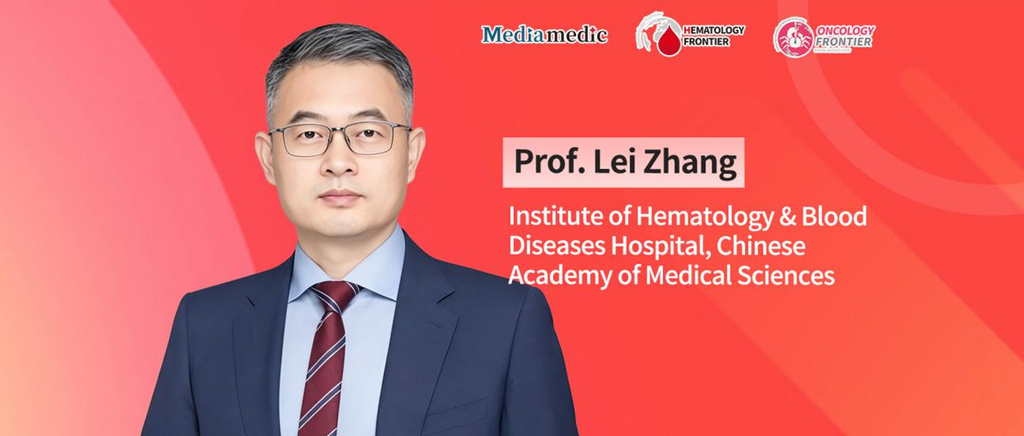
Professor Lei Zhang
Institute of Hematology and Blood Diseases Hospital, Chinese Academy of Medical Sciences
- Doctor of Medicine; Chief Physician; Doctoral Supervisor
- Vice President, Institute of Hematology and Blood Diseases Hospital, Chinese Academy of Medical Sciences
- Deputy Director, National Clinical Research Center for Blood Diseases
- Deputy Director, State Key Laboratory of Hematology and Health
- Leading Talent under the National Science and Technology Innovation “Ten Thousand Talents Program”
- Recipient of the State Council Special Allowance
- Distinguished Young and Middle-Aged Expert Recognized for Outstanding Contributions by the National Health Commission
- Deputy Editor-in-Chief, Chinese Journal of Hematology
Professor Zhang is the Principal Investigator of National Major Science and Technology Projects and has led more than 20 research initiatives, including key projects funded by the National Natural Science Foundation of China.
As a corresponding author, he has published more than 100 SCI-indexed papers in leading journals, including The New England Journal of Medicine (2025, 2024, and 2022), BMJ (2025), Nature Medicine (2026a, 2026b, and 2026c), Signal Transduction and Targeted Therapy (2026 and 2024), Blood (2026 and 2021), and The Lancet Haematology (2022a and 2022b). He holds 10 national invention patents.
His honors include the National Innovation and Excellence Award, the Wu Jieping-Paul Janssen Award, the First Prize of the Chinese Medical Science and Technology Award (as the first recipient), the First Prize of the Tianjin Science and Technology Progress Award (as the first recipient), and the Second Prize of the National Science and Technology Progress Award (as the third recipient).