Editor's Note: Basic stem cell research, regenerative medicine, cell therapy, and the application of clinical research guidelines are currently among the most closely watched frontiers in global hematology and translational medicine. With these topics at its core, the 10th International Forum on Stem Cells (IFSC) was successfully held, bringing together leading experts and scholars from around the world to explore scientific discoveries and technological innovation. The forum showcased the latest advances in basic, clinical, and translational research on hematopoietic stem cells, with the aim of promoting collaborative innovation in the global stem cell field. During the conference, Oncology Frontier – Hematology Frontier invited Professor Daichi Inoue of Osaka University, Japan, to share his latest research findings and perspectives on "Clonal Evolution and Targeted Intervention in Leukemia with Extremely Poor Prognosis." The key insights are presented below.Oncology Frontier – Hematology Frontier: Your presentation focuses on the clonal evolution of leukemia associated with dismal clinical outcomes. Using your novel mouse models, what key drivers of high-risk acute myeloid leukemia (AML) evolution have you identified? How do these findings help us understand the mechanisms underlying treatment resistance?
Professor Daichi Inoue: Thank you very much for raising this important question. In my presentation, I focused on SETBP1 mutations, particularly those occurring in the context of ASXL1-mutated clones.
A fundamental question is why these two mutations preferentially co-occur, and why ASXL1 mutations almost always arise first, followed by SETBP1 mutations at a later stage. What accounts for this preferential order and specific combination?
To address this question, we conducted extensive analyses using animal models and samples from human patients. We found that the key factor is the abundance of the SETBP1 protein itself.
ASXL1 mutations establish an epigenetic priming state that increases SETBP1 protein abundance. Subsequently, SETBP1 mutations enable the protein to escape degradation through the ubiquitin–proteasome pathway. These two events are both required to achieve a sufficiently high level of SETBP1 protein.
This means that this type of poor-prognosis leukemia develops in a SETBP1 abundance-dependent manner. We further found that, depending on the abundance of SETBP1 protein, nuclear condensates—specifically, transcriptional condensates—are formed. These condensates sustain high levels of the leukemic transcriptional program, including HOXA9, HOXA10, MYB, and MECOM.
This is why our presentation explained the roles of both mutations, why they are required, and why their specific order of occurrence is important in the development of this poor-prognosis leukemia.
Oncology Frontier – Hematology Frontier: For this highly refractory or relapsed high-risk leukemia, do you believe future breakthroughs will come from identifying new single-agent targets or developing combination strategies based on clonal evolution dynamics? In terms of clinical translation, how should the optimal timing of intervention be determined?
Professor Daichi Inoue: That is another excellent question. As I mentioned, this type of leukemia depends on the abundance of oncogenic proteins, which drive the formation of nuclear condensates and enhance leukemia-specific transcriptional programs.
We monitored condensate formation and conducted parallel screening using whole-genome CRISPR screening and small-molecule inhibitor screening to identify the Achilles’ heel of this type of condensate-forming leukemia.
We ultimately identified a single-molecule inhibitor that has already been approved by the FDA for other types of cancer. We explored drug repurposing to disrupt nuclear condensate formation. This drug proved highly effective in animal models and even in patient-derived xenograft (PDX) models. It also has the potential to eradicate leukemic stem cells, sustain long-term complete remission, and even cure this poor-prognosis leukemia in 100% of cases in the models studied.
Regarding the second question—the optimal timing for intervention in this type of poor-prognosis leukemia—we performed single-cell RNA sequencing (scRNA-seq) analysis during the preleukemic stages, when malignant clones were expanding but had not yet undergone full malignant transformation.
At this stage, we already detected a condensate-based transcriptional program. This suggests that intervention should occur early, before full transformation, during the stage of clonal expansion. This can essentially be achieved through sequential next-generation sequencing (NGS) analysis, if available.
Expert Profile
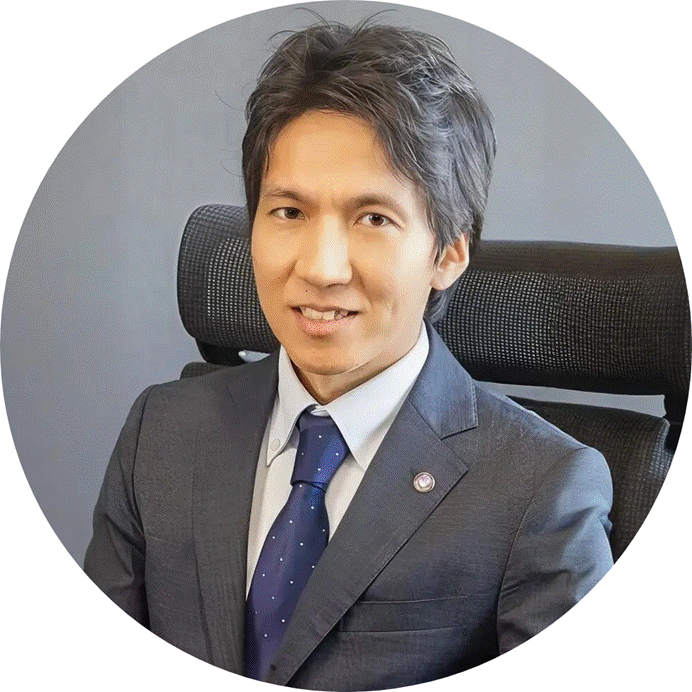
Professor Daichi Inoue
Osaka University, Japan
Professor Daichi Inoue is currently a Professor of Cancer Pathology at Osaka University. He graduated from the Faculty of Medicine at Kyoto University in 2005 and received his Doctor of Medical Science degree from the University of Tokyo in 2014. From 2015 to 2019, he conducted postdoctoral research at Memorial Sloan Kettering Cancer Center (MSKCC) in the United States. He assumed his current position in 2024.
His research focuses on the molecular pathogenesis of myelodysplastic syndromes (MDS) and acute myeloid leukemia (AML), with significant contributions to the fields of aberrant RNA splicing and epigenetic regulation. His representative work has elucidated the mechanisms by which ASXL1 mutations induce MDS and the pathways through which SETBP1 mutations drive leukemic transformation. He received the Japan Society for the Promotion of Science (JSPS) Prize in 2025.