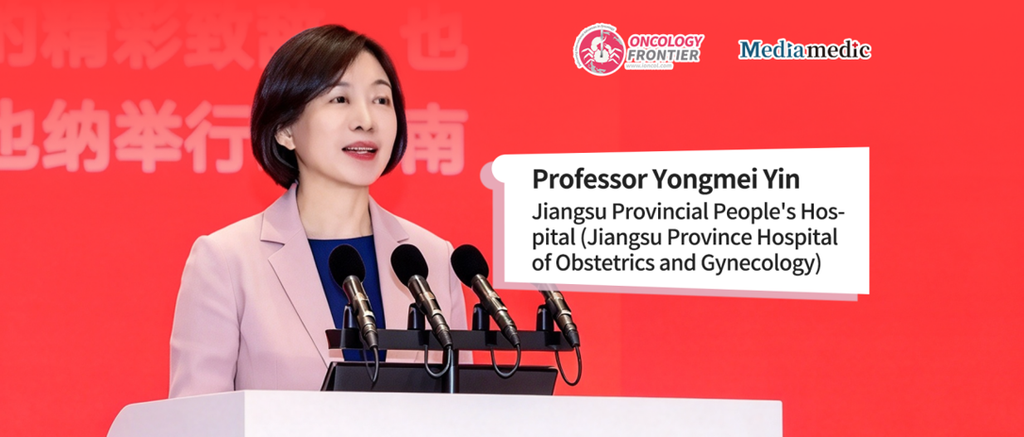
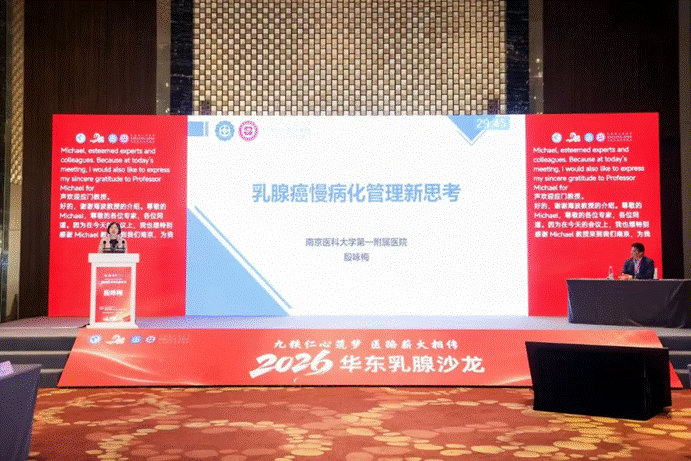
Editor's Note: Against the vibrant autumn backdrop of Nanjing, breast cancer experts gathered on October 11, 2026, for the 2026 East China Breast Cancer Salon. Under the theme “Ninety Years of Compassion and Dedication, Passing the Torch of Medical Excellence,” the meeting focused on advances in breast cancer diagnosis and treatment, clinical implementation, and the development of the specialty. Over the past decade, the salon has established a strong regional foundation while benchmarking its work against international standards, creating an academic platform that integrates cutting-edge research, clinical application, and professional training.On this occasion, Oncology Frontier, in collaboration with CCMTV, interviewed Professor Yongmei Yin of Jiangsu Province Hospital (the First Affiliated Hospital of Nanjing Medical University and Jiangsu Province Hospital for Women and Children). The discussion explored the meeting’s overarching vision, the practical challenges of translating evidence into clinical practice, the role of regional academic platforms in promoting standardized care, and the development and mentorship of the next generation of specialists.
Strategic Vision
Building a Multidimensional Academic Platform
01
Oncology Frontier: This year’s meeting brings together cutting-edge drug research, multidisciplinary clinical practice, and international academic dialogue, creating a multidimensional platform for breast cancer specialists. As a key organizer, what was your overall vision when designing this cross-disciplinary academic event? What distinctive insights do you hope it will offer breast cancer specialists in East China and across the country?
Professor Yongmei Yin: The 10th East China Breast Cancer Salon coincides with the 90th anniversary of Jiangsu Province Hospital, also known as the First Affiliated Hospital of Nanjing Medical University and Jiangsu Province Hospital for Women and Children. Taking this milestone as an opportunity, we designed the meeting around three major considerations.
First, the scientific program covers the entire breast cancer care continuum and all major molecular subtypes. The agenda spans the full treatment pathway, from neoadjuvant therapy for early-stage disease and postoperative adjuvant treatment to salvage therapy for advanced disease. It addresses the major molecular subtypes, including HER2-positive, hormone receptor-positive, and triple-negative breast cancer. The program integrates cutting-edge medical oncology treatments with oncoplastic breast surgery and reconstruction, precision radiotherapy, pathological diagnosis, imaging assessment, and AI-assisted diagnosis and treatment. Together, these disciplines create a continuous academic framework linking basic research, translational applications, and clinical practice. Participants include experts from tertiary hospitals, primary care physicians, and early-career researchers. We hope to share the latest advances in treatment strategies across disease stages and molecular subtypes with all attendees.
Second, the meeting offers diverse formats for academic exchange, balancing scientific rigor with practical clinical value. Keynote presentations focus on cutting-edge research and provide a high-level academic forum. Expert roundtables encourage the exchange of perspectives and the development of consensus on clinical practice. Case discussions emphasize practical decision-making and address the challenges clinicians face when translating emerging evidence into patient care. The roundtable sessions were particularly engaging, with experts drawing on their own clinical experience to discuss rare adverse events encountered in practice and strategies for comprehensive, ongoing toxicity management. These discussions offered many valuable practical insights.
Third, the meeting adopts a two-way academic perspective, combining in-depth exploration of domestic research with engagement with international advances. The program showcases original research from China while also inviting Professor Michael Gnant, Chair of the St. Gallen International Breast Cancer Consensus Conference, to share his perspectives on the diagnosis and treatment of early-stage breast cancer. Through this exchange, we aim to strengthen mutual learning between China and the international community and build a more globally connected academic platform for breast cancer specialists.
Evidence-Based Exploration
Bridging the “Last Mile” of Clinical Implementation
02
Oncology Frontier: New drugs and clinical studies continue to emerge in breast cancer, and high-level evidence is regularly updated, driving revisions to clinical guidelines. Yet considerable practical barriers remain between the publication of promising research and its implementation in clinical practice to deliver tangible benefits for patients. Based on your clinical experience and the themes explored at this meeting, what are the principal challenges in translating evidence into practice?
Professor Yongmei Yin: In recent years, new drugs and clinical studies have continued to expand the treatment options available for breast cancer. The growing body of high-quality evidence has also driven ongoing updates to clinical guidelines. Nevertheless, translating evidence into clinical practice and ultimately improving patient outcomes remains challenging, with several bottlenecks to overcome.
First, the populations represented in clinical evidence do not always fully reflect the patients encountered in practice. Much of the current high-level evidence comes from European and North American cohorts. However, Chinese patients with breast cancer have characteristics specific to Asian populations, including differences in age at onset, the distribution of molecular subtypes, and drug tolerability. Consequently, treatment recommendations developed overseas cannot always be directly applied to Chinese patients without further consideration.
Furthermore, whether a treatment regimen is established by a phase III clinical trial or recommended by guidelines based on phase III evidence, its implementation in real-world practice still requires individualization according to patients’ age, performance status, and other clinical characteristics. In response to this need, the East China Breast Cancer Salon included presentations on related topics. One clinical study exploring the optimal effective dose of pyrotinib in Chinese patients attracted considerable attention from attendees. We hope this research will continue to progress and help identify dosing strategies that balance efficacy and safety, reduce drug-related toxicity, and provide practical guidance for clinical use in China.
Second, medical resources and clinical capabilities remain unevenly distributed across regions and levels of the healthcare system. Primary care institutions face not only infrastructure limitations, such as restricted access to medicines and insufficient testing facilities, but also delays in updating clinical concepts and practices. As a result, physicians at different levels of the healthcare system may differ in how deeply they understand clinical guidelines and how effectively they implement them.
During the presentations by Professor Zefei Jiang and Professor Qiang Liu at this meeting, many attendees carefully saved the course materials, intending to take them back to their own hospitals for further study and practical reference. This illustrates the value of academic meetings: they help disseminate emerging treatment concepts and approaches to clinicians working on the front lines of patient care.
The complexity of real-world clinical practice further complicates individualized treatment. Evidence is generally generated in clinical trials with strict eligibility and exclusion criteria, whereas every patient encountered in routine practice is unique, with a complex combination of factors such as age and physical condition. Individualized treatment decisions remain a major clinical challenge and require physicians to accumulate experience continuously in order to provide precise, comprehensive care throughout the treatment journey.
In addition, there remains a gap between clinical practice and the development of clinical research. Frontline physicians devote much of their time to routine clinical responsibilities and patient care, making it difficult to systematically translate observations from daily practice into research. We hope that early- and mid-career experts and researchers will draw on real-world clinical experience to develop research questions and investigate persistent challenges in diagnosis and treatment, particularly in the management of adverse events.
By improving adverse-event interventions and establishing comprehensive management strategies throughout treatment, clinicians can help patients derive the full benefit of their medications, achieve better clinical outcomes, and maintain a higher quality of life.
Passing the Torch
Promoting Greater Consistency in Regional Breast Cancer Care
03
Oncology Frontier: Differences in the standardization of breast cancer care persist among regions and healthcare institutions at different levels. Beyond disseminating the latest academic advances, what distinctive role can regional platforms such as the East China Breast Cancer Salon play in promoting standardized care and narrowing disparities in diagnosis and treatment?
Professor Yongmei Yin: Ten years ago, at Professor Jiang’s initiative, I took the lead in organizing the East China Breast Cancer Salon. Over the past decade, the salon has received extensive support from experts in China and abroad. It has evolved beyond a forum for breast cancer specialists in East China into an important platform where leading experts from across China and the international community can exchange ideas and share cutting-edge research. It has also become a valuable academic resource for supporting the development of primary care physicians and early- and mid-career specialists.
Looking ahead, the East China Breast Cancer Salon will take on a greater role in strengthening primary-level healthcare and extending the reach of in-person academic meetings. We will focus on bringing clinical guidelines into routine practice by using the salon as a vehicle for disseminating clinical guidelines, expert consensus statements, and the latest research findings to primary care institutions. Through face-to-face discussions with frontline physicians and detailed case reviews, we will address practical challenges encountered in primary care and help translate standardized treatment recommendations into clinical practice, continuously improving the diagnostic and therapeutic capabilities of primary care physicians.
At the same time, we hope to use the salon to advance greater consistency in the quality of breast cancer care across the region. This includes developing unified regional quality-control standards covering areas such as pathology and imaging, as well as further standardizing radiotherapy and multidisciplinary team (MDT) workflows.
Primary care physicians generally show considerable enthusiasm for clinical research. Many are eager to participate in research projects, and some even hope to lead studies as principal investigators. This enthusiasm is encouraging.
However, opportunities to independently initiate and lead clinical research remain relatively limited at the regional level. The salon will therefore place greater emphasis on developing primary care physicians’ research mindset and clinical study design capabilities. More importantly, by bringing together expertise from different disciplines and institutions, we hope to address persistent clinical challenges, improve treatment outcomes, enhance patients’ quality of life, and optimize long-term prognosis. In doing so, we will put into practice CSCO’s commitment to passing knowledge and expertise on to the next generation.
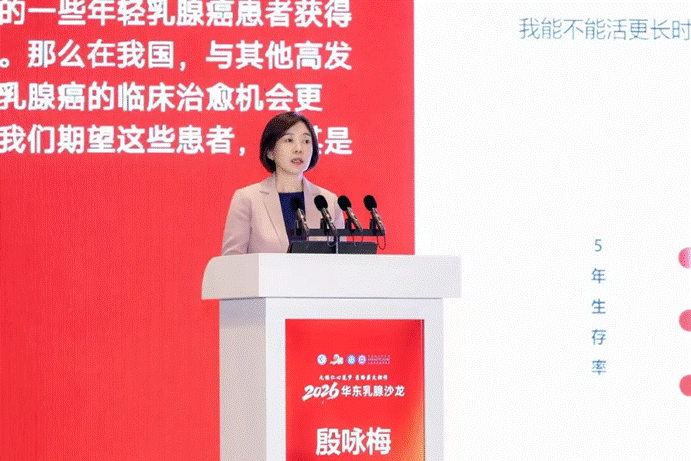
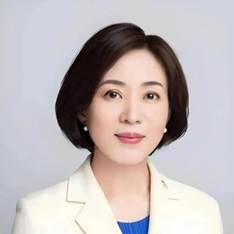
Professor Yongmei Yin