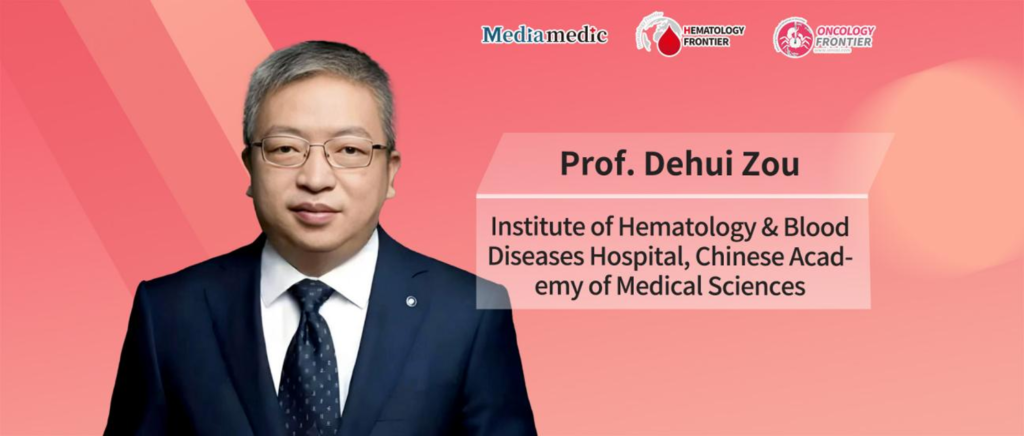
Editor's Note: The “Gaobo Medical Forum—6th Shanghai Clinical Application Seminar on Hematopoietic Stem Cell Transplantation and Training Course on the Clinical Application of Autologous Hematopoietic Stem Cell Transplantation,” hosted by the National Clinical Research Center for Hematologic Diseases of the Institute of Hematology & Blood Diseases Hospital, Chinese Academy of Medical Sciences, and organized by Shanghai Zhaxin Hospital/Gaobo Medical Group and Shanghai Liquan Hospital, was held in Shanghai on August 29–30, 2026. During the meeting, Oncology Frontier – Hematology Frontier invited Professor Dehui Zou of the Institute of Hematology & Blood Diseases Hospital, Chinese Academy of Medical Sciences, to discuss optimization and alternative strategies for conditioning regimens in autologous hematopoietic stem cell transplantation (ASCT) for lymphoma. Against the backdrop of increasingly diverse novel therapies, Professor Zou explored the precise positioning and clinical value of ASCT, as well as the integration of innovative therapies such as CAR-T with conventional transplantation, and shared insights into future directions.01
Oncology Frontier – Hematology Frontier: Conditioning is a critical component of autologous hematopoietic stem cell transplantation, determining both treatment efficacy and safety. Based on current clinical practice in autologous transplantation for lymphoma, what are the key considerations when selecting a conditioning regimen? What developments in conditioning strategies in recent years are particularly noteworthy?
Professor Dehui Zou: In autologous hematopoietic stem cell transplantation, conditioning is a crucial component. Its primary goals are to achieve effective antitumor activity while ensuring treatment safety.
For autologous transplantation in lymphoma, the classic conditioning regimen is BEAM, consisting of carmustine, etoposide, cytarabine, and melphalan. However, in recent years, there has been a global shortage of carmustine, prompting continued exploration of alternative regimens. Among these, the BeEAM regimen, in which bendamustine replaces carmustine, has been shown in multiple single-arm studies and some comparative studies to be a viable alternative to BEAM, with favorable efficacy and safety. Other agents, such as fotemustine, may also serve as alternatives, although their use is similarly limited by supply shortages.
Another notable option is the GBM regimen, consisting of high-dose gemcitabine, busulfan (BU), and melphalan. This regimen has demonstrated significant advantages. It was initially used in Hodgkin lymphoma, where it showed good synergistic effects, and compared with historical controls, its efficacy was even superior to that of the classic BEAM regimen. During the carmustine shortage, our center also evaluated the GBM regimen and a modified regimen in which cyclophosphamide replaced melphalan. Single-arm studies and propensity score-matched comparative analyses showed no significant difference in efficacy compared with the classic BEAM regimen. Although there was a trend toward increased rates of transient liver dysfunction and mucositis, the overall toxicity was manageable, making this an excellent alternative.
With the development of novel therapies, combining new agents with established or alternative conditioning regimens has become an important direction for treatment optimization. Although rituximab combined with the classic conditioning regimen did not produce positive results in autologous transplantation for large B-cell lymphoma, recent multicenter studies in China have explored the addition of HDAC inhibitors to conditioning regimens, with preliminary findings suggesting a trend toward improved outcomes following autologous transplantation in T-cell lymphoma.
For specific lymphoma subtypes, conditioning regimens require even greater individualization. For primary central nervous system large B-cell lymphoma, thiotepa-based two- or three-drug combination regimens are a key component for improving treatment efficacy. For large B-cell lymphoma with secondary CNS involvement, thiotepa is often used to replace carmustine or bendamustine in the conditioning regimen. For patients with Hodgkin lymphoma who have not previously developed resistance to gemcitabine-containing regimens, the aforementioned GBM regimen may be preferred. In addition, for patients with large B-cell lymphoma who are at high risk of CNS involvement, appropriately incorporating thiotepa into the conditioning regimen may further enhance antitumor efficacy.
Overall, conditioning regimens for lymphoma should be individually and precisely tailored according to the specific lymphoma subtype and patient characteristics.
02
Oncology Frontier – Hematology Frontier: You have long been engaged in clinical and translational research in lymphoma. In recent years, the treatment landscape has rapidly evolved with the emergence of novel antibody-based therapies, targeted agents, and cellular therapies. As novel therapies move increasingly into earlier lines of treatment, how do you view the current role of autologous hematopoietic stem cell transplantation in the overall treatment course of lymphoma? Which patients may still derive clear benefit from ASCT?
Professor Dehui Zou: In recent years, with the rapid development of novel targeted agents and immunotherapies, the role of autologous hematopoietic stem cell transplantation (ASCT) across different lymphoma subtypes has faced new challenges and is undergoing a process of redefinition.
Take diffuse large B-cell lymphoma (DLBCL) as an example. As the overall efficacy of first-line induction therapy has improved, the role of ASCT as first-line consolidation therapy has been increasingly challenged. This trend became particularly apparent after the NCCN Guidelines removed ASCT as a routine first-line recommendation in 2019. However, when we examine the evidence underlying this change, the negative overall survival (OS) results were largely derived from several large randomized controlled trials conducted over the preceding decade, in which the control groups received highly intensive immunochemotherapy regimens.
In real-world clinical practice, particularly in China, most patients have difficulty tolerating such highly intensive regimens. Under the intensity of standard R-CHOP or Pola-R-CHP, subgroup analyses continue to show that ASCT can significantly improve progression-free survival (PFS) and OS in younger high-risk patients with an International Prognostic Index (IPI) score ≥3. Given the currently limited accessibility of innovative therapies such as CAR-T in China, as well as the fact that bispecific antibodies have not yet been incorporated into first-line recommendations, ASCT remains a safe, effective, and economically accessible treatment option for younger high-risk patients and will continue to have important clinical value for a considerable period of time.
In the setting of relapsed/refractory DLBCL, the emergence of CAR-T-cell therapy has profoundly changed the treatment landscape. Based on positive results from studies such as TRANSFORM and ZUMA-7, current guidelines recommend CAR-T therapy preferentially for high-risk patients with primary refractory disease or early relapse, while ASCT remains an option for patients with late relapse who are sensitive to salvage therapy. Propensity-matched analyses and large retrospective European cohort studies have shown that among patients who are sensitive to salvage therapy, particularly those who achieve complete remission (CR), the consolidation efficacy of ASCT is not inferior to CAR-T therapy, with long-term survival rates reaching approximately 60%. Our center’s retrospective analysis yielded similar findings.
However, it is important to emphasize that patients with high-risk molecular features such as TP53 abnormalities, secondary CNS involvement, or “double-hit” lymphoma continue to have a high relapse rate even when they are sensitive to salvage therapy, making ASCT alone less than ideal for these patients. For patients without such high-risk factors, particularly those without access to CAR-T therapy, ASCT remains a reasonable consolidation option.
In addition, combining ASCT with CAR-T therapy has become an area of active investigation. Studies from multiple centers in China have shown that among patients with relapsed/refractory disease and high-risk features such as TP53 mutations, multiple extranodal sites of involvement, or secondary CNS involvement, ASCT combined with CAR-T therapy may achieve significantly better outcomes than CAR-T therapy alone. This represents a valuable exploration of how conventional and innovative therapies can be integrated to further improve outcomes in high-risk patients.
The role of ASCT is also becoming increasingly precise in other lymphoma subtypes. For aggressive T-cell lymphomas, particularly nodal peripheral T-cell lymphoma (excluding ALK-positive anaplastic large cell lymphoma), ASCT consolidation during first remission remains the preferred approach despite the emergence of new therapies. For mantle cell lymphoma (MCL), although the TRIANGLE study showed that after incorporation of a BTK inhibitor into first-line treatment, ASCT did not demonstrate a clear overall benefit in the entire population, subgroup analyses suggested that first-line ASCT may still provide benefit for high-risk, aggressive subtypes characterized by Ki-67 >30%, high p53 protein expression, or blastoid variant disease. Therefore, the first-line ASCT strategy in MCL should not be completely dismissed based on the results of a single study; further precise identification of patients who are most likely to benefit is needed.
Overall, despite the challenges posed by innovative therapies, the role of ASCT in lymphoma has not been completely rejected or replaced. Rather, ASCT is entering an era of increasingly precise application. The key going forward will be to conduct individualized and precise risk assessment and stratification based on the patient’s specific pathological subtype, molecular and genetic characteristics, and clinical high-risk factors, thereby maximizing survival benefit.
03
Oncology Frontier – Hematology Frontier: You have also conducted extensive research into CAR-T-cell therapy and have focused on moving CAR-T treatment into earlier lines as well as combining it with other treatment modalities. Given current trends in lymphoma treatment, how can treatment sequencing, combination strategies, and precision stratification be used to further improve long-term outcomes for patients with high-risk or relapsed/refractory disease?
Professor Dehui Zou: At present, CAR-T-cell therapy is most widely and maturely used in large B-cell lymphoma. At the same time, several clinical studies have demonstrated promising efficacy in relapsed/refractory patients with other subtypes, including mantle cell lymphoma, follicular lymphoma, and marginal zone lymphoma.
Data from the Center for International Blood and Marrow Transplant Research (CIBMTR) registry show that since commercial CAR-T products entered the market in 2017, the number of autologous hematopoietic stem cell transplantations in large B-cell lymphoma, particularly second-line transplantation, has declined substantially.
However, in current clinical practice in China, the accessibility of commercial CAR-T therapy remains insufficient to meet the needs of patients and clinicians, partly because of its high cost. There are also considerable limitations regarding approval of CAR-T therapy for second-line indications. Looking ahead, as access to CAR-T therapy gradually improves, its use in second-line treatment is likely to move further forward, benefiting more patients who are either suitable or unsuitable for transplantation.
For patients with extremely high-risk features, combining CAR-T therapy with other treatment modalities, such as autologous hematopoietic stem cell transplantation, may further improve prognosis and increase the likelihood of cure. Therefore, the future treatment philosophy should not be to completely replace conventional therapies with emerging approaches, but rather to integrate the two strategically. Through precise assessment, the most appropriate patient populations can receive the treatment approach most likely to provide optimal benefit.
Expert Profile
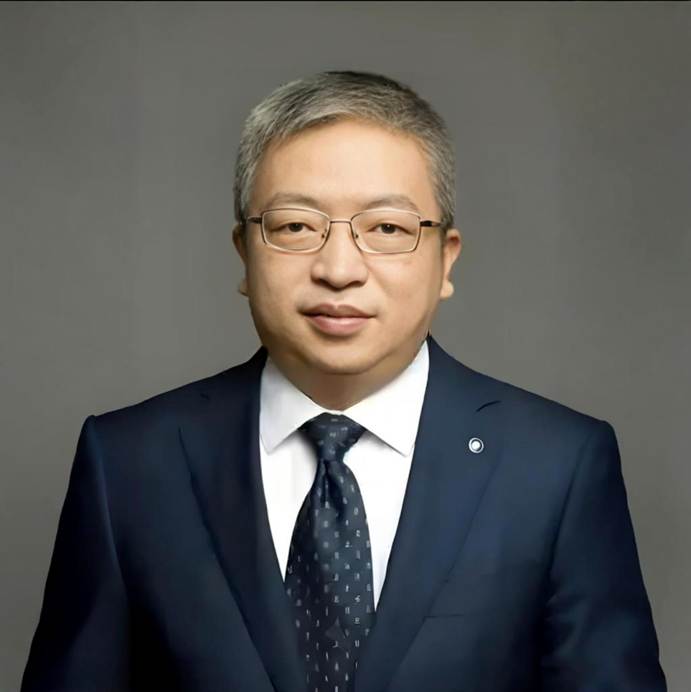
Professor Dehui Zou
Institute of Hematology & Blood Diseases Hospital, Chinese Academy of Medical Sciences
- Chief Physician
- Director, Transplantation and Cellular Therapy Ward, Lymphoma Diagnosis and Treatment Center
- Deputy Chair, Lymphoma Expert Committee, Chinese Society of Clinical Oncology (CSCO)
- Standing Committee Member, Lymphoma Professional Committee, Chinese Anti-Cancer Association
- Standing Committee Member, Lymphoma Rehabilitation Committee, Chinese Anti-Cancer Association
- Member, Rare Diseases Group, Hematology Branch, Chinese Medical Association
- Standing Committee Member, Hematology Professional Committee, Chinese Medical Education Association
- Deputy Chair, Myeloma Branch, Chinese Medical Education Association
- Standing Committee Member, Hematology Branch, Chinese Society of Geriatrics
- Chair, 2nd Lymphoma Professional Committee, Tianjin Anti-Cancer Association
- Chair, Hematology Immunotherapy and Regenerative Medicine Professional Committee, Tianjin Society of Precision Medicine
- Young Editorial Board Member, Chinese Journal of Hematology
- Research interests: Clinical and translational research in lymphoid malignancies, including lymphoma and multiple myeloma; hematopoietic stem cell transplantation; and CAR-T-cell therapy for hematologic malignancies