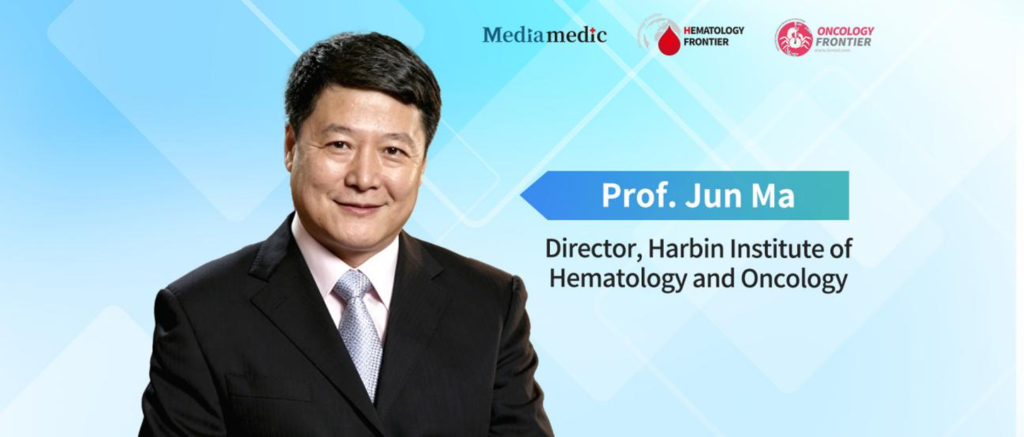
Editor's Note: The 2026 Chinese Society of Clinical Oncology (CSCO) Annual Meeting will be held in Jinan, Shandong, from September 16 to 19, 2026. As one of China's most important annual academic events in oncology, the CSCO Annual Meeting continues to focus on the international frontiers of oncology research and the needs of clinical practice in China. Experts and scholars from China and abroad will gather to engage in in-depth discussions on key topics including standardized diagnosis and treatment, cutting-edge innovation, and clinical research. Through guideline updates, academic presentations, continuing medical education, and other multidimensional programs, the meeting aims to facilitate the integration of the latest research findings into clinical practice.Against this backdrop, Oncology Frontier has launched its special pre-meeting interview series, “CSCO Outlook,” inviting leading experts in China to provide advance insights into the academic agenda of the conference, highlight key areas and emerging topics, and outline the developments that clinicians should watch closely. In this issue, we are honored to interview Professor Jun Ma, Chairman of the Supervisory Board of CSCO and Director of the Harbin Institute of Hematology and Oncology, who shares his perspectives on the theme of this year’s meeting, academic hotspots in hematologic malignancies, and the training of young physicians.
Oncology Frontier: The theme of this year’s CSCO Annual Meeting is “Upholding Standards, Embracing Digital and Intelligent Innovation.” What are the key highlights of the academic program and meeting format?
Professor Jun Ma: The 29th Chinese Society of Clinical Oncology (CSCO) Annual Meeting will be held in Jinan. With the theme “Upholding Standards, Embracing Digital and Intelligent Innovation,” this year’s conference will focus on in-depth discussions of standardized diagnosis and treatment and innovative development across various types of cancer.
Since the beginning of this year, major international academic meetings, including those of the European Society for Blood and Marrow Transplantation (EBMT), European Hematology Association (EHA), American Society of Clinical Oncology (ASCO), and American Society of Gene & Cell Therapy (ASGCT), have been held successively, with a large number of influential research findings in oncology being presented. Among them, the major breakthrough involving the KRAS target in pancreatic cancer has attracted particular attention. A target that had long been considered “undruggable” has now entered the stage of drug development, bringing new hope for the treatment of pancreatic cancer, a highly malignant disease. At the same time, China has also made rapid progress in the development of drugs targeting novel therapeutic targets. Overall, cancer treatment is gradually entering a new stage characterized by long-term, chronic-disease-style management throughout the entire disease course.
The current cancer prevention and control situation in China remains challenging. Last year, approximately 5.1 million new cancer cases and 2.68 million cancer-related deaths were reported nationwide, with both incidence and mortality remaining among the highest worldwide. In response to this serious challenge, this year’s conference adheres to the philosophy of “innovation-driven, patient-centered” care. It aims to prolong patient survival, improve long-term quality of life, and move toward clinical cure, thereby contributing to the core goal of the Healthy China 2030 initiative—to increase the overall 5-year cancer survival rate by 15%.
Oncology Frontier: Focusing on hematologic malignancies, which topics and academic issues at this year’s CSCO Annual Meeting deserve particular attention? In leukemia, lymphoma, myeloma, and cellular therapy, what do you think may become major areas of discussion?
Professor Jun Ma: Hematologic and lymphoid malignancies have always played the role of a “pathfinder” in oncology as a whole. Looking back at the development of cancer treatment, from the earliest chemotherapy to small-molecule targeted therapies, monoclonal antibodies, antibody-drug conjugates (ADCs), bispecific antibodies, PD-1/PD-L1 immune checkpoint inhibitors, and subsequently cellular therapy and hematopoietic stem cell transplantation, many groundbreaking “firsts” have emerged from the field of hematologic and lymphoid malignancies.
Today, some hematologic and lymphoid malignancies are gradually entering a new era in which cure and long-term survival are achievable. Taking chronic myeloid leukemia (CML) and chronic lymphocytic leukemia (CLL) as examples, the widespread adoption of chemo-free regimens has brought disease management increasingly close to the comprehensive, long-term management model used for chronic diseases such as hypertension and diabetes. Approximately 70% of patients with diffuse large B-cell lymphoma (DLBCL) can achieve long-term disease-free survival, while the cure rate for childhood leukemia has reached approximately 80%. Among adolescents and young adults with leukemia, cellular therapy, immunotherapy, and novel targeted therapies can likewise achieve very high cure rates.
This year’s conference will continue to deepen international collaboration with leading academic organizations, including ASCO, the European Society for Medical Oncology (ESMO), the International Lymphoma Coalition, and ASGCT. A number of world-renowned experts will be invited to deliver presentations and engage in academic exchanges, building a high-level international bridge for collaboration and further advancing the standard of cancer diagnosis and treatment in China.
Oncology Frontier: CSCO has always emphasized the mutual advancement of clinical research and clinical practice. For colleagues attending the meeting, particularly young physicians and physicians working at primary-level hospitals, what would you recommend they focus on? What knowledge and insights from this year’s conference are worth bringing back into clinical practice?
Professor Jun Ma: At present, medical institutions at all levels in China—including county hospitals, prefecture- and city-level central hospitals, specialized oncology hospitals, and university-affiliated hospitals—have generally established relatively comprehensive oncology subspecialty systems. However, owing to factors such as disparities in regional economic development, there are still differences in the level of standardized treatment across regions, and many challenges remain in clinical practice.
Standardized treatment is the fundamental prerequisite for achieving chronic-disease-style cancer management and enabling patients to live longer and live better. Therefore, we must place greater emphasis on training physicians at the primary level and young physicians, comprehensively improving their clinical knowledge and research and innovation capabilities. CSCO has always adhered to the principle of “unity, collaboration, pragmatism, and innovation,” while emphasizing the transmission of knowledge and experience across three generations of oncology professionals—senior, middle-career, and young physicians.
What makes us particularly proud is that, in cutting-edge fields such as cellular therapy, ADCs, and bispecific and multispecific antibodies, China’s oncology community has made the transition from “following” and “running alongside” to “leading in some areas.” We very much look forward to seeing more young and mid-career scholars leverage academic platforms such as CSCO to step onto the international stage, showcase China’s high-quality clinical research to the global community, and enable Chinese experience and Chinese treatment strategies to benefit patients worldwide.
We will continue to uphold the original aspirations of the older generation of oncology professionals, pursue innovation while maintaining standardized practice, and work together to create a new future for cancer prevention and treatment.
Expert Profile
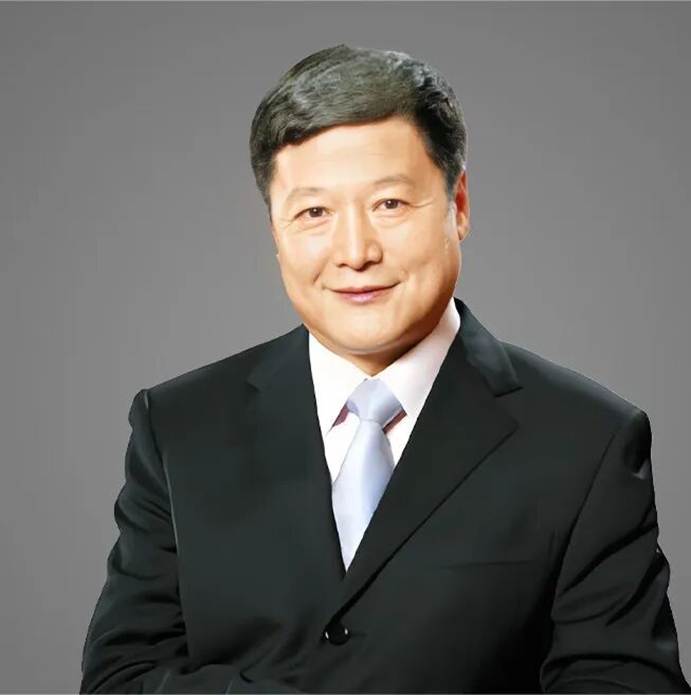
Professor Jun Ma
Harbin Institute of Hematology and Oncology
- Chief Physician, Professor, and Doctoral Supervisor
- Director, Harbin Institute of Hematology and Oncology
- Chairman of the Supervisory Board, Chinese Society of Clinical Oncology (CSCO)
- Vice President, Asian Society of Clinical Oncology
- Former Chairman, CSCO Leukemia Expert Committee
- Leader, Oncology Expert Group, National Health Commission Capacity Building and Continuing Education Center
- Editor-in-Chief, Journal of Leukemia & Lymphoma