Editor's Note: In recent years, the incidence and mortality of prostate cancer in China have increased significantly, driven by socioeconomic development and population aging, resulting in a growing disease burden. Androgen deprivation therapy (ADT), whether used alone or in combination, remains a cornerstone of comprehensive prostate cancer management. With updates to the Chinese Expert Consensus on Testosterone Management in Prostate Cancer and the Expert Consensus on Comprehensive Management of Prostate Cancer, clinical recommendations have evolved beyond achieving castration-level testosterone (<50 ng/dL) toward deep testosterone suppression (<20 ng/dL) and rapid, sustained PSA control, which may provide patients with better outcomes. Against this background, Oncology Frontier invited Professor Shaoxing Zhu of Fujian Medical University Union Hospital to discuss the evidence supporting deep testosterone suppression, individualized perioperative treatment strategies, and approaches that balance treatment efficacy with quality of life, with the goal of further improving survival and quality of life among patients with prostate cancer in China.From Castration-Level Testosterone to Deep Testosterone Suppression: Further Optimizing ADT
Oncology Frontier: The recently updated Chinese Expert Consensus on Testosterone Management in Prostate Cancer, in which you participated, places further emphasis on the value of deep testosterone suppression to <20 ng/dL in addition to achieving castration-level testosterone of <50 ng/dL. How do you view this transition from conventional castration to deep testosterone suppression, and what benefits can it provide to patients?
Professor Shaoxing Zhu: For patients with prostate cancer, serum testosterone levels are closely associated with tumor development and patient survival. Maximally reducing testosterone concentrations is therefore a core therapeutic strategy in prostate cancer. ADT, as a cornerstone of prostate cancer treatment, aims to reduce serum testosterone to and maintain it below the castration threshold of 50 ng/dL, thereby controlling disease progression.
Pharmacological castration mainly involves two types of agents: LHRH agonists and LHRH antagonists. LHRH agonists work by initially stimulating and subsequently desensitizing pituitary LHRH receptors, reducing luteinizing hormone secretion and ultimately suppressing testosterone production. By contrast, LHRH antagonists directly and competitively bind to LHRH receptors, blocking the testosterone production pathway without causing the transient testosterone surge associated with LHRH agonists.
Importantly, more stringent control of testosterone to below 20 ng/dL may not only reduce the risk of testosterone breakthrough but may also effectively induce apoptosis in androgen-sensitive cells and some androgen-insensitive cells. During treatment interruptions, when tumor cells enter a renewed proliferative phase, this may result in a population of cells that remains highly sensitive to androgen, potentially delaying the development of castration resistance.
Based on this rationale, authoritative Chinese expert consensuses and clinical guidelines have established testosterone <20 ng/dL as a reference threshold for “deep castration” when assessing prognosis and guiding treatment adjustments in prostate cancer.
In clinical practice, both LHRH agonists and LHRH antagonists, including degarelix, have the potential to achieve deep castration, providing important support for ADT-based prostate cancer treatment.
Perioperative Endocrine Therapy: Expanding Treatment Options for High- and Very-High-Risk Localized Prostate Cancer
Oncology Frontier: In the era of comprehensive prostate cancer management, optimizing treatment strategies to improve surgical outcomes has become an important area of investigation. What is your view of the role of endocrine therapy in the perioperative setting for patients with high- or very-high-risk localized prostate cancer?
Professor Shaoxing Zhu: For patients with high- and very-high-risk localized prostate cancer, ADT-based treatment strategies, either as monotherapy or in combination, have important roles in both the neoadjuvant and adjuvant settings.
In the neoadjuvant setting, ADT alone or in combination can reduce positive surgical margins, decrease tumor volume, facilitate pathological downstaging, and effectively control the rate of lymph-node positivity, thereby creating more favorable conditions for subsequent radical treatment.
For example, the ARNEO study focused on patients with high-risk prostate cancer who received degarelix plus apalutamide before radical prostatectomy (RP). The study showed that the rate of minimal residual disease (MRD) was 38% in the combination-treatment group versus 9.1% in the control group, with a statistically significant difference between the groups (P = 0.002), demonstrating the potential efficacy of intensified neoadjuvant therapy.
In the adjuvant setting, ADT, radiotherapy, and their combination have been widely used in the initial and postoperative management of high- and very-high-risk patients. Supported by substantial evidence, these approaches are recommended in authoritative guidelines such as the CSCO Guidelines for Diagnosis and Treatment of Prostate Cancer, providing standardized treatment pathways for high- and very-high-risk patients.
Balancing Efficacy and Quality of Life: Individualizing Long-Term ADT
Oncology Frontier: With advances in treatment, prostate cancer is increasingly becoming a chronic and controllable disease. As a cornerstone of endocrine therapy, the long-term benefits of ADT and management of its adverse effects have become major clinical concerns. How should clinicians balance efficacy and quality of life when developing individualized ADT-based treatment strategies?
Professor Shaoxing Zhu: ADT has demonstrated clear efficacy, but it may also affect sexual function, endocrine homeostasis, and the cardiovascular system. Although several studies are currently exploring ADT-free strategies, the evidence remains immature. Therefore, ADT remains a cornerstone throughout the comprehensive management of prostate cancer, while clinicians should continue to explore more individualized and refined approaches to its use and management.
Overall, testosterone monitoring throughout the course of ADT is critically important. Before treatment initiation, an accurate baseline testosterone level should be obtained as an essential reference for subsequent management. During the first six months after treatment initiation, testosterone should be monitored closely on a monthly basis to ensure treatment accuracy and effectiveness.
During the first year of continuous treatment, if testosterone rises above the target threshold of 20 ng/dL, this may indicate inadequate treatment response or treatment failure. The situation should therefore be carefully evaluated, with treatment adjustment considered when appropriate and surgical intervention potentially considered in selected cases.
For some patients with well-controlled disease, intermittent ADT may be a reasonable option. Studies have shown that testosterone can recover relatively rapidly after ADT is discontinued, which may improve quality of life by reducing hot flashes, improving libido, and potentially decreasing the risk of certain treatment-related adverse effects.
For patients with risk factors such as joint pain, degarelix may be considered because of its relatively low incidence of skeletal and connective-tissue adverse events. For high-risk patients, combining ADT with bisphosphonates or denosumab may further optimize treatment safety and efficacy, providing a more individualized management strategy.
Multidisciplinary Teams: Supporting Precision and Comprehensive Prostate Cancer Management
Oncology Frontier: The value of multidisciplinary teams (MDTs) in comprehensive prostate cancer management has become widely recognized. From a clinical perspective, could you share the advantages of the prostate cancer MDT model and your experience with its implementation?
Professor Shaoxing Zhu: MDTs are an important foundation for precision and comprehensive prostate cancer management. By integrating the expertise of multiple specialties, MDTs can develop individualized clinical decisions covering the entire course of a patient’s disease.
Specifically, MDTs can be incorporated into key stages including early screening and precise diagnosis, individualized treatment planning across different disease stages, standardized follow-up and monitoring, and proactive prevention and refined management of treatment-related complications. This comprehensive approach can help improve both patient survival outcomes and quality of life.
In addition, for patients who face geographical barriers and cannot participate in face-to-face MDT consultations, remote online MDTs can be an efficient and feasible alternative when appropriate. Leveraging internet technology, patients can receive multidisciplinary consultation from leading specialists without having to travel long distances, while remaining in their local communities.
This innovative model may help address disparities in medical resources between different regions of China and promote more equitable access to high-quality healthcare.

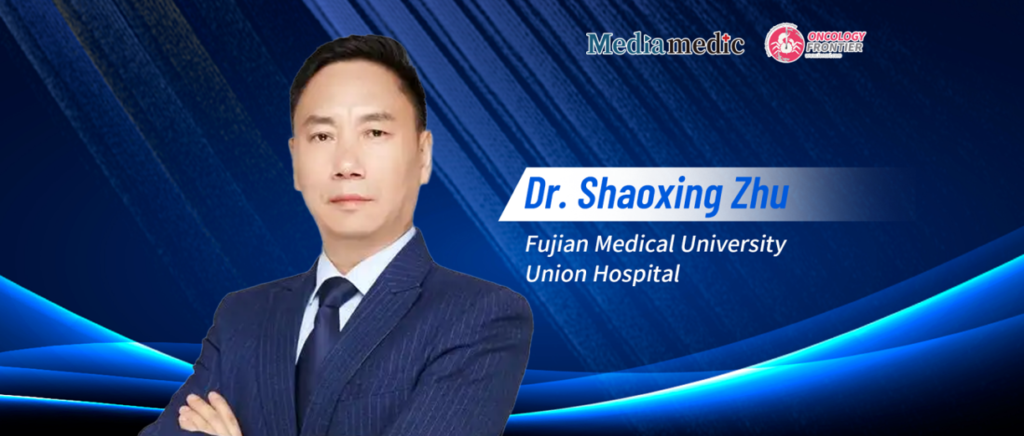
Professor Shaoxing Zhu