The 2026 Peking University Gastrointestinal Oncology Forum and the 16th CGOG Annual Meeting were held in Beijing from June 9–13, 2026. On June 10, the dedicated ASCO Neuroendocrine Tumors Highlights Session brought together leading Chinese experts to provide in-depth reviews of the latest advances in neuroendocrine tumor (NET) research presented at the 2026 ASCO Annual Meeting.The session was livestreamed across multiple platforms and attracted more than 24,000 online viewers, demonstrating its broad academic reach and impact.
Conference Co-Chairs Jie Chen from Fudan University Shanghai Cancer Center and Jie Li from Peking University Cancer Hospital delivered opening remarks. Both experts emphasized that the session would provide timely analysis of the most important developments in the neuroendocrine tumor field presented at ASCO 2026. Given the highly focused and clinically relevant content, they noted that the program would offer valuable insights for both clinical practice and translational research. They also expressed their hope that the discussions would inspire further innovation and collaboration within China’s neuroendocrine tumor research community.
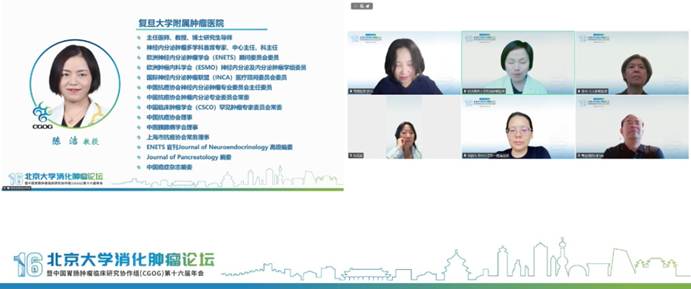
Figure: Opening remarks by Prof. Jie Chen
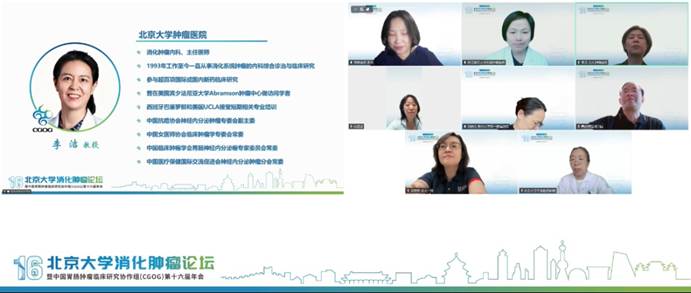
Figure: Opening remarks by Prof. Jie Li
Part I
Advances in Molecular Biomarkers and Novel Therapeutic Development
Session Chairs: Zimin Liu (The Affiliated Hospital of Qingdao University) and Jing Hao (Qilu Hospital of Shandong University)
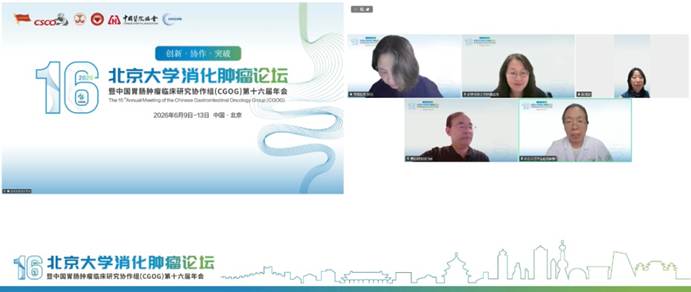
Figure: Session chaired by Prof. Zimin Liu and Prof. Jing Hao
Advances in Molecular Biomarkers for Gastroenteropancreatic Neuroendocrine Neoplasms
Yu Sun from Peking University Cancer Hospital provided a comprehensive review of key findings from the 2026 ASCO Annual Meeting, as well as recent data generated by his research team, focusing on molecular biomarkers that may advance precision treatment strategies for gastroenteropancreatic neuroendocrine neoplasms (GEP-NENs).
Prof. Sun highlighted five biomarkers with significant translational potential: MTAP, TROP2, MAGEA4, CDH17, and SEZ6. He presented a detailed analysis of their detection methods, expression profiles across different tumor types, and rates of expression loss, underscoring their potential value for molecular stratification and personalized treatment selection in patients with GEP-NENs.
In addition, Prof. Sun emphasized the importance of repeat biopsy following systemic therapy in patients with neuroendocrine tumors (NETs). He noted that reassessment of biomarkers after treatment may provide clinically meaningful information, particularly regarding changes in tumor biology. Specifically, he highlighted the value of evaluating mismatch repair (MMR) status and tumor mutational burden (TMB) following temozolomide-based therapy to identify patients who may derive benefit from immunotherapy, thereby expanding opportunities for precision immuno-oncology approaches in this patient population.
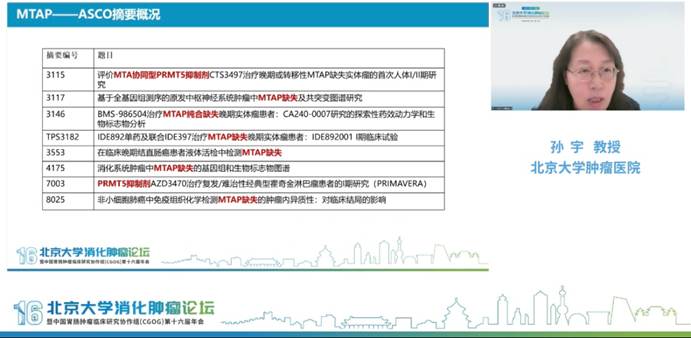
Figure: Prof. Yu Sun presenting advances in molecular biomarkers
During the discussion session, Jie Luo from the Department of Pathology at Beijing Gaobo Hospital, Lijie Song from the First Affiliated Hospital of Zhengzhou University, and Haibo Lu from Harbin Medical University Cancer Hospital engaged in an in-depth exchange on several key topics, including the clinical implementation of molecular testing technologies, the concordance between immunohistochemistry and molecular pathology results, and the clinical significance of co-expression of multiple biomarkers.
The experts agreed that greater efforts should be made to translate molecular classification into actionable precision treatment strategies. They also recommended performing repeat biopsies in previously treated patients at the time of disease progression to enable a comprehensive reassessment of pathological evolution and changes in molecular characteristics, thereby supporting more informed therapeutic decision-making.
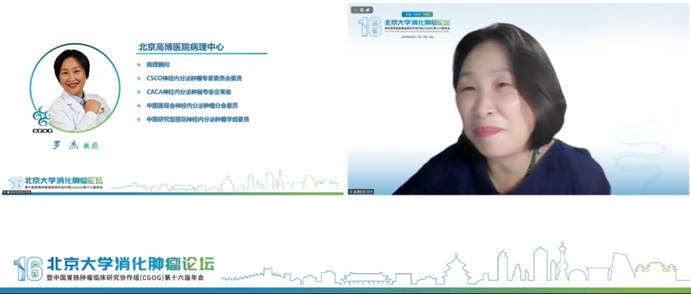
Figure: Discussion by Prof. Jie Luo
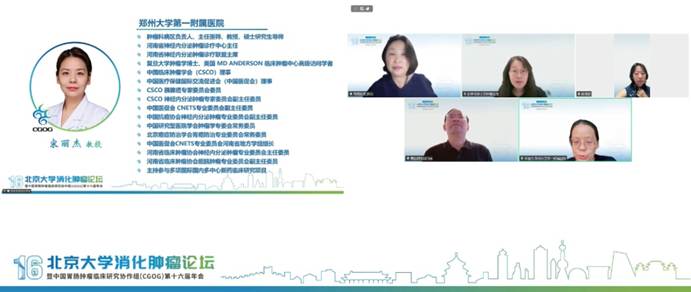
Figure: Discussion by Prof. Lijie Song
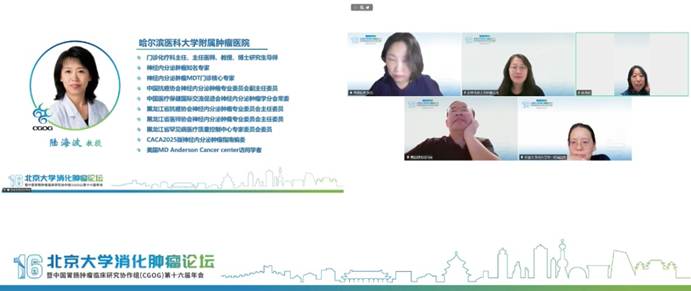
Figure: Discussion by Prof. Haibo Lu
Advances in Novel Therapeutic Development for Gastroenteropancreatic Neuroendocrine Carcinoma
Panpan Zhang from Peking University Cancer Hospital reviewed the latest developments in drug discovery and therapeutic innovation for gastroenteropancreatic neuroendocrine carcinoma (GEP-NEC) presented at the 2026 ASCO Annual Meeting. Using a target-based framework, she outlined the increasingly diverse landscape of emerging treatment strategies.
Among the most notable areas of progress were therapies targeting DLL3, including T-cell engagers (TCEs), antibody-drug conjugates (ADCs), CAR-T cell therapies, and radioligand-based approaches. T-cell engagers have advanced particularly rapidly, with several early-phase clinical studies demonstrating encouraging efficacy in both later-line treatment settings for DLL3-positive patients and first-line combination regimens with chemotherapy.
Meanwhile, DLL3-targeted ADCs, CAR-T therapies, and radionuclide-based treatments remain in the early stages of clinical development but have already shown promising preliminary signals in terms of both safety and antitumor activity.
Beyond DLL3, other emerging targets are also attracting considerable attention. ADCs directed against CD56, CDH17, and SEZ6 have all demonstrated early signs of clinical activity in neuroendocrine neoplasms, further expanding the range of potential therapeutic options.
In the field of immunotherapy, a variety of innovative approaches—including bispecific antibodies, oncolytic viruses, and combination immunotherapy strategies—are currently under investigation. These novel modalities may help overcome the longstanding challenge of immune resistance in neuroendocrine carcinoma and could potentially broaden the role of immunotherapy in this difficult-to-treat disease setting.
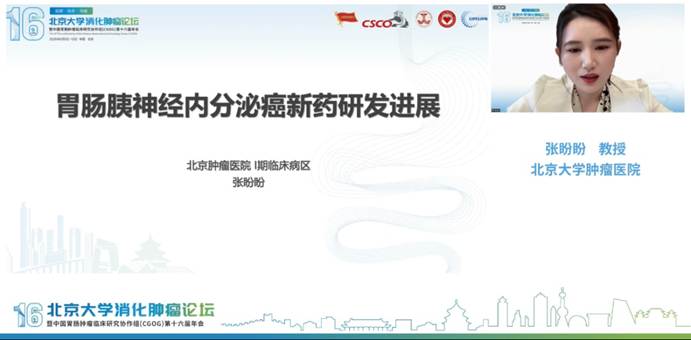
Figure: Prof. Panpan Zhang presenting advances in novel therapeutic development
During the discussion session, Dan Cao from West China Hospital, Sichuan University, Ru Jia from the Fifth Medical Center of the Chinese PLA General Hospital, and Suzhen Zhang from Shanxi Cancer Hospital shared their perspectives on the future direction of drug development in neuroendocrine malignancies.
While affirming the critical role of molecular classification and biomarker testing in guiding precision treatment, the experts emphasized the urgent need for greater investment in novel therapeutic development for extrapulmonary neuroendocrine carcinomas (NECs). They advocated for the expansion of investigator-initiated trials (IITs) to generate more robust clinical evidence in Chinese patient populations and to accelerate the development of effective treatment strategies tailored to local clinical needs.
The panel also highlighted the importance of recognizing the distinct characteristics of different therapeutic agents, particularly with regard to dose optimization, safety profiles, and patient selection. A more nuanced understanding of these differences, they noted, will be essential for maximizing clinical benefit and advancing precision medicine in neuroendocrine oncology.
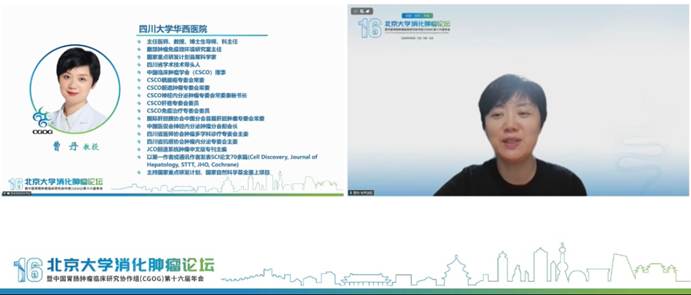
Figure: Discussion by Prof. Dan Cao
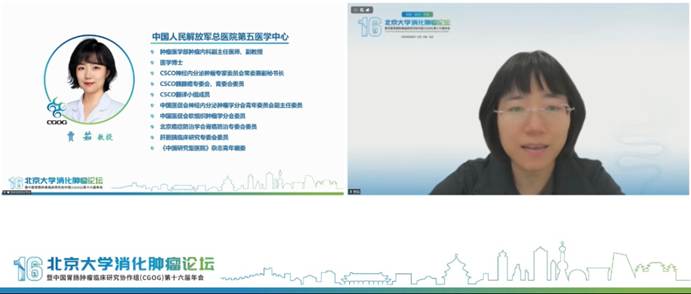
Figure: Discussion by Prof. Ru Jia
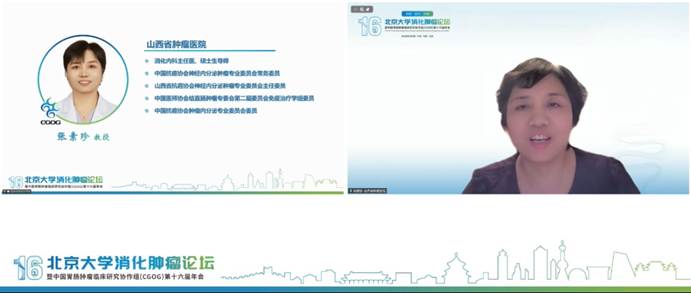
Figure: Discussion by Prof. Suzhen Zhang
Part II
Advances in Radionuclide Therapy and the Management of Thoracic Neuroendocrine Tumors
Session Chairs: Fei Yin (The Fourth Hospital of Hebei Medical University) and Ming Lu (Peking University Cancer Hospital)
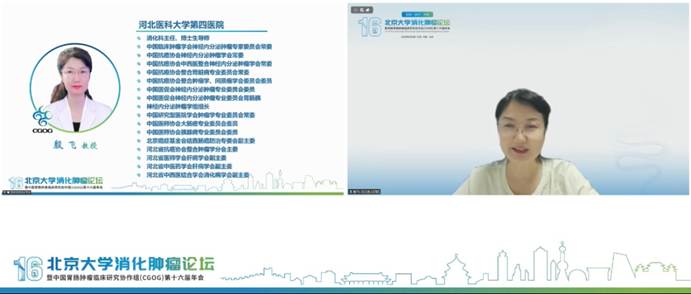
Figure: Session chaired by Prof. Fei Yin
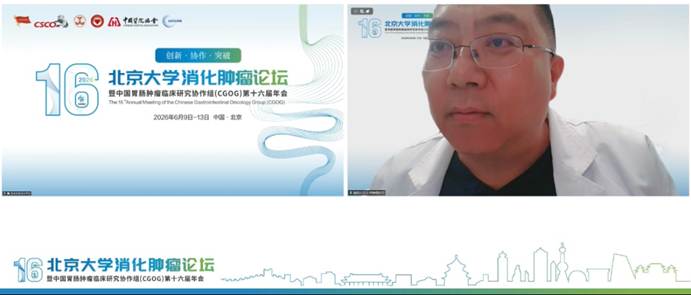
Figure: Session chaired by Prof. Ming Lu
Patient Selection and Comprehensive Treatment Planning for PRRT
Jiangyuan Yu from the Department of Nuclear Medicine, Peking University Cancer Hospital, delivered a comprehensive presentation centered on the clinical application of peptide receptor radionuclide therapy (PRRT), with a particular focus on patient selection strategies and the integration of PRRT into multidisciplinary treatment planning, including surgery.
Prof. Yu noted that PRRT is currently recommended as a radionuclide treatment option for patients with advanced or metastatic G1, G2, and selected G3 gastroenteropancreatic neuroendocrine tumors (GEP-NETs). In the neoadjuvant setting, PRRT may be considered for patients with borderline resectable disease, where it can contribute to tumor downsizing and downstaging, increase the likelihood of surgical resection, facilitate assessment of treatment response, and help optimize the timing of surgery.
Drawing on representative clinical cases, Prof. Yu also provided an in-depth discussion of the practical application of PRRT in the palliative management of patients with multiple liver metastases, illustrating key treatment considerations and decision-making strategies. Her presentation offered valuable real-world insights into the role of PRRT within a comprehensive treatment framework for neuroendocrine tumors.
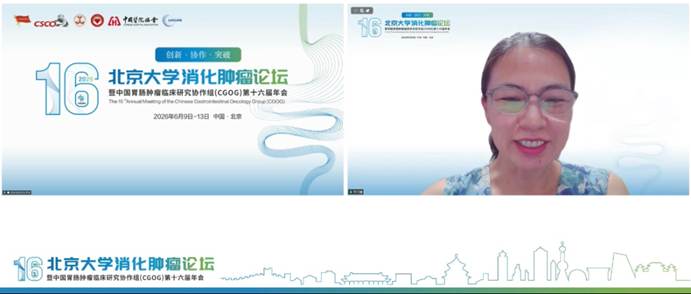
Figure: Prof. Jiangyuan Yu presenting on PRRT
During the discussion session, Hongbo Gao from Beijing Nuclear Industry Hospital, Chunhui Yuan from Peking University Third Hospital, and Tingting Liang from the First Hospital of Jilin University explored several important clinical questions surrounding the use of PRRT.
The discussion focused on the impact of PRRT on subsequent surgical planning, principles for optimizing the duration of preoperative treatment, identification of appropriate candidates among patients with G3 neuroendocrine tumors, and strategies for managing bone marrow suppression and other treatment-related toxicities.
The experts agreed that individualized treatment plans should be developed through a multidisciplinary team (MDT) approach, integrating expertise from medical oncology, nuclear medicine, surgery, pathology, and related specialties. They also noted that many of these issues remain incompletely defined and warrant further prospective clinical investigation to establish clearer evidence-based recommendations.
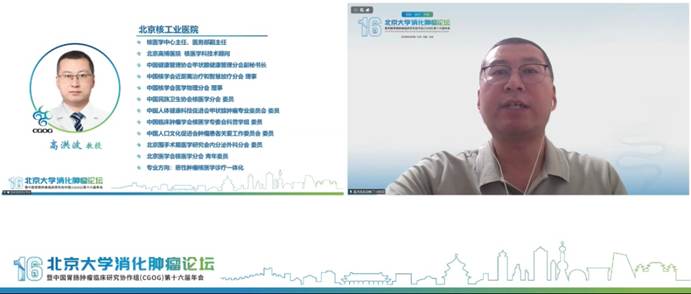
Figure: Discussion by Prof. Hongbo Gao
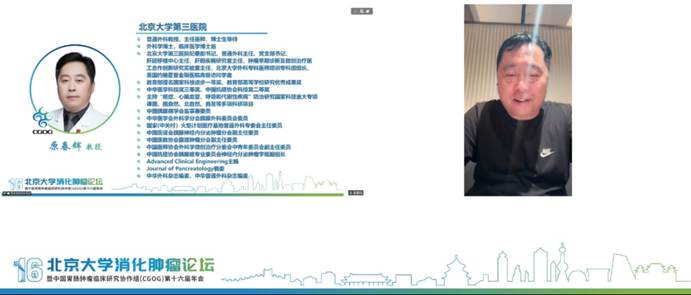
Figure: Discussion by Prof. Chunhui Yuan

Figure: Discussion by Prof. Tingting Liang
Advances in the Diagnosis and Treatment of Thoracic Neuroendocrine Tumors
Yuejuan Cheng from Peking Union Medical College Hospital, Chinese Academy of Medical Sciences, provided a comprehensive overview of recent advances in thoracic neuroendocrine tumors, covering multiple aspects of disease management, including pathological classification, epidemiological characteristics, postoperative management, and treatment strategies for advanced disease.
Prof. Cheng highlighted the latest updates to the pathological classification of pulmonary neuroendocrine tumors issued by the International Association for the Study of Lung Cancer (IASLC). She emphasized the importance of systematic lymph node dissection during surgical treatment and stressed that patients with typical carcinoid tumors require long-term surveillance as part of routine clinical management.
Regarding advanced disease, Prof. Cheng reviewed the distinct treatment paradigms for small cell lung cancer (SCLC) and non-small cell lung cancer (NSCLC), outlining key differences in therapeutic decision-making. She also presented the latest efficacy data on DLL3-targeted combination therapies, which are being actively investigated in large-cell neuroendocrine carcinoma of the lung (LCNEC) and small cell lung cancer, highlighting their potential to expand treatment options for these aggressive thoracic neuroendocrine malignancies.
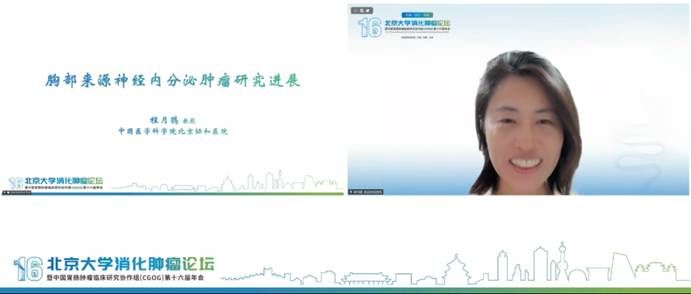
Figure: Prof. Yuejuan Cheng presenting advances in thoracic neuroendocrine tumors
During the discussion session, Minglei Zhuo from Peking University Cancer Hospital, Yinying Wu from the First Affiliated Hospital of Xi’an Jiaotong University, and Ying Liu from the First Affiliated Hospital of Guangxi Medical University engaged in an in-depth discussion on the overlap and integration of pathological classification systems for thoracic and gastroenteropancreatic neuroendocrine neoplasms.
The panelists emphasized that future progress in the field will increasingly depend on the use of molecular biomarkers to identify patient populations most likely to benefit from specific therapies. They also highlighted the importance of incorporating molecular profiling into the design of combination treatment strategies, with the goal of improving patient selection, optimizing therapeutic efficacy, and advancing precision medicine approaches in neuroendocrine tumors.
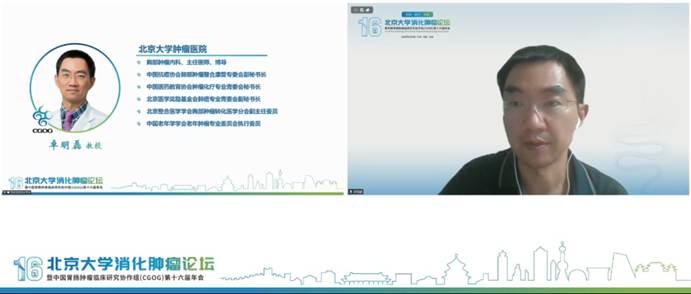
Figure: Discussion by Prof. Minglei Zhuo
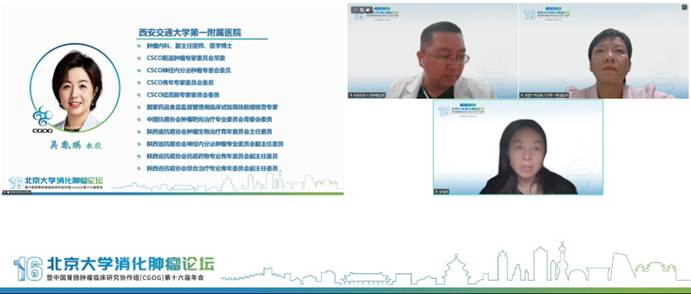
Figure: Discussion by Prof. Yinying Wu
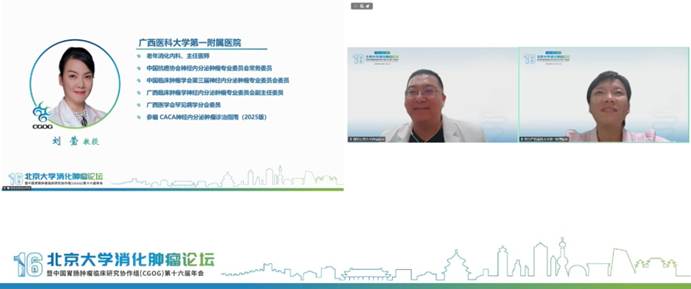
Figure: Discussion by Prof. Ying Liu
At the conclusion of the session, Jie Chen from Fudan University Shanghai Cancer Center and Jie Li from Peking University Cancer Hospital delivered a comprehensive summary of the meeting.
The two professors noted that the program had provided a broad overview of the latest advances in neuroendocrine tumor research, encompassing pathological classification, molecularly targeted therapies, radionuclide therapy, and the diagnosis and treatment of thoracic neuroendocrine tumors. Collectively, these developments reflect the remarkable scientific momentum and continued innovation within the field.
Both experts underscored the central role of multidisciplinary team (MDT) collaboration in guiding individualized treatment decisions and optimizing patient outcomes. They also called for greater engagement from clinicians, research institutions, and the pharmaceutical and biotechnology sectors in the neuroendocrine tumor field. In particular, they emphasized the importance of conducting more clinical studies tailored to Chinese patient populations, with the goal of generating high-quality evidence, advancing therapeutic innovation, and continuously improving the standard of care for patients with neuroendocrine tumors.
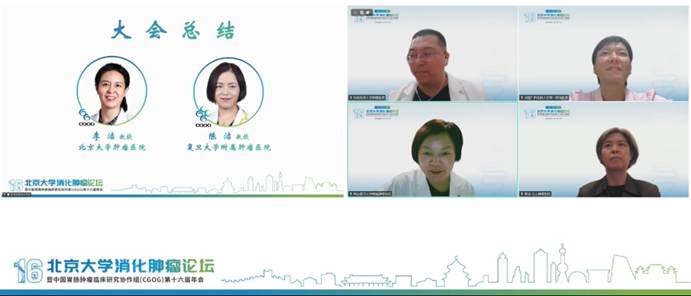
Figure: Closing remarks and meeting summary by Prof. Jie Chen and Prof. Jie Li
Original article: Department of Gastrointestinal Oncology, Peking University Cancer Hospital
Author: Zhiruo Zhou
Reviewer: Panpan Zhang