Randomized controlled trials (RCTs), regarded as the “gold standard” of evidence-based medicine, serve as the cornerstone for establishing oncology treatment guidelines. However, it is equally important to recognize that the strict inclusion and exclusion criteria of RCTs often create a significant gap between trial populations and the realities of everyday clinical practice, where many patients are elderly, have multiple comorbidities, or have experienced failure of several prior treatment lines.How to organically integrate evidence-based medicine with individualized clinical practice—and enable precision therapy to benefit a broader patient population—has become one of the most pressing challenges in uro-oncology today.
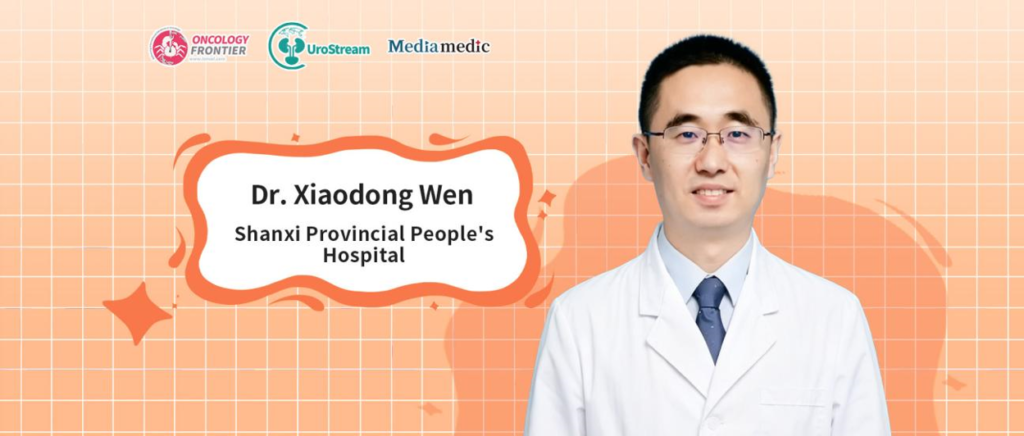
In this interview, Oncology Frontier · UroStream invited Professor Xiaodong Wen, Director of the Department of Urology at Shanxi Provincial People’s Hospital, to provide an in-depth interpretation of the concept, advantages, and implementation pathways of real-world precision therapy, offering practical guidance for urologists in daily clinical practice.
01
In your presentation, you repeatedly mentioned the concept of “real-world precision therapy.” Could you systematically explain this concept for our professional readers? Compared with the traditional randomized controlled trial (RCT) paradigm, what unique clinical value does it offer in terms of patient selection and individualized treatment planning?
Professor Xiaodong Wen:
Real-world precision therapy is a treatment model developed in contrast to standard clinical trial–based approaches.
As we know, standard RCTs are designed to establish causal relationships and ensure statistical validity. To achieve this, they impose strict inclusion and exclusion criteria regarding comorbidities, performance status, and organ function. However, in real clinical settings, the vast majority of patients do not fully meet these idealized standards. They often differ substantially in age, physical condition, comorbidities—particularly common metabolic diseases such as hypertension and diabetes—and prior treatment history.
The core of the real-world precision therapy approach we advocate is to systematically extract treatment experience and data accumulated from these complex clinical scenarios, analyze and validate them scientifically, and ultimately develop treatment strategies that better reflect real clinical needs. The goal is to extend the benefits of precision therapy to a much broader patient population.
The advantages of this approach are especially significant.
First, it is highly aligned with real clinical practice.
Real-world data are derived from routine clinical care and include many special patient populations typically excluded from RCTs. As a result, treatment strategies generated from these data are more clinically relevant and can provide more practical benefits for patients.
Second, it truly enables individualized treatment.
Unlike standard RCT protocols that apply uniform treatment regimens, real-world precision therapy adjusts treatment according to each patient’s specific condition. This includes optimizing:
- treatment frequency,
- dosage,
- administration intervals,
- and combination strategies.
Only by tailoring treatment to each patient’s biological characteristics and clinical status can we maximize therapeutic efficacy while minimizing adverse events.
02
In your presentation, you shared several representative cases in uro-oncology where real-world data were used to optimize patient selection and treatment strategies. Could you elaborate on the implementation process and clinical outcomes of these cases?
Professor Xiaodong Wen:
In uro-oncology, urothelial carcinoma, renal cell carcinoma, and prostate cancer are the three most common malignancies. Current standard treatment regimens for these cancers are largely based on large-scale RCT data.
Take advanced urothelial carcinoma as an example. In recent years, targeted therapy combined with immunotherapy has become a core treatment strategy. Among these studies, the RC48-C016 trial—a Phase III study comparing disitamab vedotin plus toripalimab versus chemotherapy as first-line treatment for HER2-expressing locally advanced or metastatic urothelial carcinoma—established this combination as a standard therapeutic option.
The recommended dosing schedule in the study was once every two weeks (Q2W). The results, published in The New England Journal of Medicine in October 2025, showed:
- a median overall survival of 31.5 months,
- and an objective response rate of 76.1%, significantly outperforming conventional chemotherapy.
However, in real-world clinical practice, we found that some patients—especially elderly individuals or those with renal insufficiency or other comorbidities—had poor tolerance to the Q2W regimen and experienced higher rates of adverse events.
If the standard protocol was followed rigidly, many patients could not complete the full treatment course at the intended dose intensity, ultimately compromising efficacy and survival outcomes.
To address this challenge, we implemented individualized optimization strategies in real-world practice.
For patients with poor tolerance:
- the treatment interval was extended from Q2W to Q3W,
- while drug doses were dynamically adjusted according to body weight, liver and kidney function, tumor burden, and treatment-related toxicities.
After optimization:
- adverse event rates decreased significantly,
- treatment adherence improved substantially,
- and patients who otherwise would have been unable to tolerate standard therapy were able to complete the entire treatment course.
Importantly, these patients ultimately achieved clinical outcomes comparable to—or even better than—those seen with standard treatment.
This is a typical example of how real-world precision therapy can create meaningful clinical value.
03
You have just explained the major advantages of real-world precision therapy. However, we also recognize that there are many practical obstacles preventing its widespread clinical adoption. What are the major barriers currently limiting the implementation of real-world precision treatment strategies? And what recommendations would you offer to urologists seeking to promote this approach?
Professor Xiaodong Wen:
There are indeed many challenges in promoting real-world precision therapy approaches.
First, insufficient evidence level and limited recognition.
In the early stages, most real-world treatment experiences are confined to individual hospitals, departments, or physicians’ personal practice. Without multicenter, large-scale validation, these findings often struggle to gain broad acceptance at other institutions. This remains the most prominent barrier to implementation.
Second, the problem of “data silos.”
Currently, imaging data, pathology records, laboratory findings, and clinical outcome data are often fragmented—not only between hospitals, but even between departments within the same hospital. This lack of interoperability makes it extremely difficult to aggregate and validate real-world data across multiple centers, severely restricting the development and translation of real-world research.
Third, concerns regarding data security and compliance.
As data protection laws and regulations continue to evolve, many hospitals remain cautious about cross-institutional sharing of large-scale patient data, particularly regarding legal compliance and ethical approval processes. These concerns further hinder data integration and utilization.
To overcome these challenges, collaboration among uro-oncology professionals nationwide is essential.
My recommendation is that leading hospitals and academic centers in China should take the lead in establishing regional and national collaborative networks for real-world uro-oncology research.
By:
- standardizing data collection methods,
- harmonizing data formats,
- and integrating real-world datasets from multiple institutions,
we can perform multicenter validation and generate clinically meaningful evidence.
Although the level of evidence generated from real-world studies may not equal that of large RCTs, with rigorous scientific design and analysis, such data can still support valuable expert consensus and practical clinical guidance.
Through collective efforts, we can transform real-world treatment experience into reproducible and widely applicable clinical practice recommendations, allowing more uro-oncology patients to benefit from precision therapy and ultimately advancing the overall standard of uro-oncology care in China.
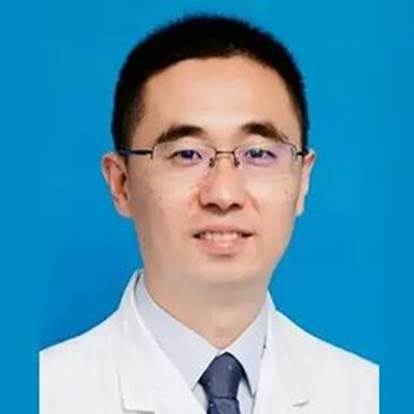
Professor Xiaodong Wen
Director, Department of Urology
Shanxi Provincial People’s Hospital