The 52nd EBMT Annual Meeting will be held in Madrid, Spain, from March 22 to 25, 2026. As one of the most prominent international meetings in hematology, EBMT brings together experts worldwide to present advances in hematopoietic stem cell transplantation and cellular therapies, fostering innovation in clinical practice. This report highlights a study conducted by Dr. Yue Wu from the team led by Prof. Yajing Zhang at Beijing Boren Hospital, Gaobo Medical Group, entitled “The CAST Strategy (CAR-T/ASCT/Sequential CAR-T) with Low-Dose Fractionated RT Bridging in Heavily Pretreated R/R CNSL: A Proof-of-Concept Study.”
Abstract Information
Abstract No.: A063 Title: The CAST Strategy (CAR-T/ASCT/Sequential CAR-T) with Low-Dose Fractionated RT Bridging in Heavily Pretreated R/R CNSL: A Proof-of-Concept Study
First Author: Yue Wu
Corresponding Author: Yajing Zhang Institution: Beijing Boren Hospital, Gaobo Medical Group
Background
Patients with highly refractory central nervous system lymphoma (CNSL), particularly those harboring high-risk molecular features such as TP53 mutations, continue to have extremely poor outcomes. These patients often exhibit marked resistance to multiple treatment modalities, including BTK inhibitors.
We hypothesized that overcoming such therapeutic resistance requires a multimodal, synergistic treatment approach. This study evaluated a novel integrated strategy—the CAST regimen—which combines CAR-T cell therapy, autologous stem cell transplantation (ASCT), and sequential CAR-T therapy, with low-dose fractionated radiotherapy as bridging treatment.
Methods
This study included five adult patients with relapsed or refractory CNS lymphoma who experienced rapid disease progression after multiple lines of therapy and were refractory to chemotherapy. Patients were treated between March 2024 and June 2025.
The median age was 46 years, and the median number of prior treatment lines was four. Disease subtypes included four cases of primary CNS lymphoma (PCNSL) and one case of secondary CNS lymphoma (SCNSL). Three of five patients (3/5) harbored TP53 mutations.
The CAST regimen consisted of four sequential phases:
Phase 1 (Bridging Radiotherapy): Low-dose fractionated radiotherapy (WBRT or CSI, total dose 7.5–10.5 Gy) was administered to reduce tumor burden and enhance CAR-T cell trafficking to tumor sites.
Phase 2 (First CAR-T Infusion): CD19-directed CAR-T cells were infused at a dose of 2 × 10⁶/kg.
Phase 3 (ASCT): High-dose chemotherapy (BEAM or TBC regimen) followed by ASCT was administered 1–3 months after the first CAR-T infusion. The median CD34⁺ cell dose was 2.8 × 10⁶/kg.
Phase 4 (Sequential CAR-T): A second CAR-T infusion targeting CD22 or CD20 (2 × 10⁶/kg) was administered on days +3 to +5 after ASCT to mitigate antigen escape.
Study endpoints included overall response rate (assessed by PET or MRI), cerebrospinal fluid minimal residual disease (CSF MRD, assessed by flow cytometry), safety (CRS and ICANS), and survival outcomes.
Results
All five patients completed the full CAST treatment protocol.
Following the initial CD19 CAR-T infusion, three patients achieved complete remission (CR), and two achieved partial remission (PR). After completion of the full CAST regimen, all patients (100%) achieved deep complete remission, with sustained negativity on both imaging and CSF MRD assessment.
The median follow-up was 8 months (range, 6–13 months). At the time of last follow-up, all patients remained in ongoing remission, with no disease progression or deaths reported.
In terms of safety, the intensified regimen was well tolerated. No grade ≥3 CRS or ICANS events were observed, and no treatment-related deaths occurred. All CRS events were mild (grade 1–2). Three patients developed delayed thrombocytopenia, which was successfully managed without long-term sequelae.
At last follow-up, all patients had good performance status, with ECOG scores of 0–1.
Conclusion
The CAST strategy, integrating CAR-T therapy, ASCT, and sequential CAR-T, represents a feasible, safe, and highly effective treatment approach for patients with ultra–high-risk relapsed/refractory CNS lymphoma.
By combining radiotherapy, stem cell transplantation, and dual-target cellular immunotherapy, this strategy can induce deep and durable molecular remission, offering a potential curative pathway for this challenging patient population.
These preliminary findings provide a strong rationale for further validation in larger, multicenter phase II clinical studies.
Expert Profile
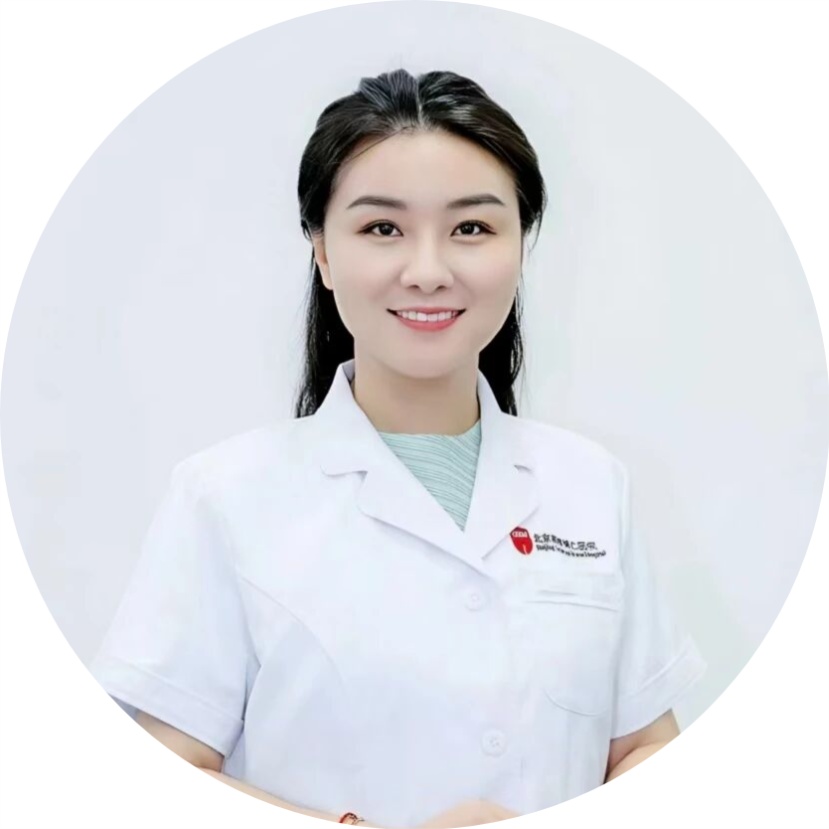
Yajing Zhang, MD, PhD Director, Oncology & Immunology Innovation Center, Beijing Boren Hospital
Prof. Zhang is a chief physician, doctoral researcher, and master’s supervisor at China Pharmaceutical University. She is recognized as a “Beijing Rising Star in Science and Technology.”
Her research focuses on the clinical application and translational development of cellular and immunotherapies in oncology and autoimmune diseases.
She has led six national and provincial-level research projects, including grants from the National Natural Science Foundation of China, and has published extensively as first author in leading journals such as Blood, Leukemia, Journal of Experimental Medicine (JEM), and Signal Transduction and Targeted Therapy, with a cumulative impact factor exceeding 140.
She received the 2023 Outstanding Paper Award from JEM and multiple scientific innovation awards.
She holds numerous academic positions, including membership in national committees related to cellular therapy, oncology, and translational medicine, and serves on editorial boards and multidisciplinary expert panels in hematologic malignancies.