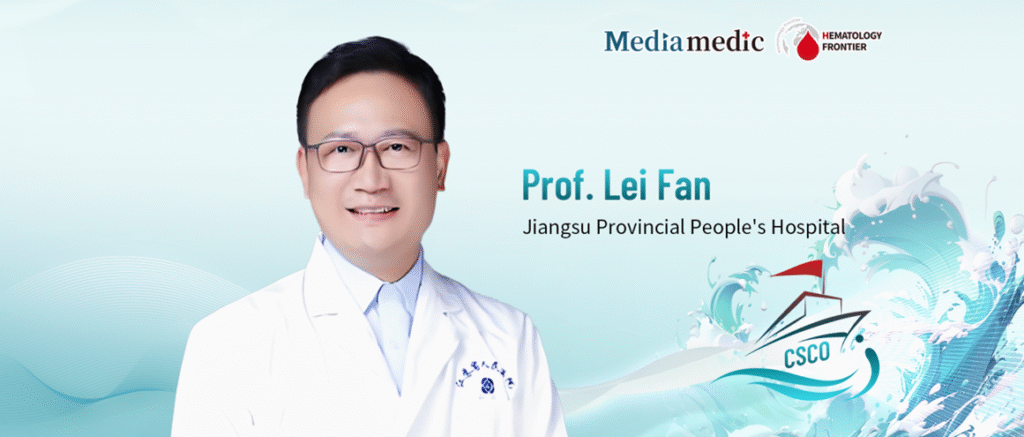
From January 16–18, 2026, the CSCO Leukemia, Lymphoma, and Myeloma Expert Committee Working Meeting and the 2026 CSCO Hematologic Oncology Conference were held in Haikou. During the conference, Professor Lei Fan from Jiangsu Provincial People’s Hospital presented a comprehensive overview of the latest advances, current standards, and future directions in first-line treatment for chronic lymphocytic leukemia (CLL), offering valuable guidance for optimizing clinical management.Q1. Based on the latest international and domestic guidelines, what are the defining characteristics of the current first-line treatment landscape for CLL? How has the therapeutic framework evolved compared with traditional strategies?
Professor Lei Fan: With socioeconomic development and increasing life expectancy, the incidence of chronic lymphocytic leukemia (CLL) continues to rise, making it an increasingly significant public health concern. Historically, first-line treatment relied primarily on immunochemotherapy, which improved outcomes but was limited by toxicity, particularly infection risk and treatment-related mortality.
In recent years, rapid progress in both basic and clinical research has fundamentally transformed the CLL treatment paradigm. First-line therapy has shifted from immunochemotherapy toward targeted therapy–based regimens. Currently, BTK inhibitors, BCL-2 inhibitors, and anti-CD20 monoclonal antibodies form the cornerstone of modern first-line CLL treatment.
These targeted approaches have significantly improved efficacy, prolonged survival, and enhanced patients’ quality of life, marking a profound transition from conventional chemotherapy-based strategies.
Q2. Several major advances in first-line CLL treatment have emerged in recent years. How do these developments expand treatment options for different patient populations, and what key therapeutic trends do they reflect?
Professor Lei Fan: The advancement of first-line CLL therapy has been driven by landmark prospective clinical trials. For example, the RESONATE-2 trial established the superiority of BTK inhibitors over conventional chemotherapy in treatment-naïve CLL, solidifying BTK inhibition as a central therapeutic pillar.
Similarly, the CLL14 trial confirmed that targeted therapy outperforms immunochemotherapy, including in high-risk patients with del(17p) or TP53 mutations, reinforcing its role in frontline treatment.
Beyond monotherapy, combination targeted regimens have demonstrated important benefits. Studies such as CAPTIVATE and GLOW showed that BTK inhibitor plus BCL-2 inhibitor combinations produce faster and deeper remissions compared with BTK inhibitor monotherapy. These findings support the feasibility of fixed-duration treatment, which may improve long-term quality of life.
Looking ahead, additional prospective randomized trials are expected to refine optimal combinations of targeted and next-generation agents, further improving long-term outcomes for CLL patients.
Q3. How do these trends improve treatment experience and long-term prognosis? What unmet needs remain, and which research directions should be prioritized in frontline CLL therapy?
Professor Lei Fan: Traditionally, CLL management relied heavily on immunochemotherapy, which, while effective, carried substantial toxicity and infection-related risks, sometimes leading to treatment-related mortality.
The advent of targeted therapies has dramatically improved both efficacy and safety, allowing patients to achieve better disease control with fewer adverse effects. As a result, patients now experience longer survival, improved tolerability, and better overall quality of life.
However, continuous BTK inhibitor monotherapy has inherent limitations, including the need for long-term or lifelong treatment and difficulty achieving deep, treatment-free remissions.
To address these challenges, current research is increasingly focused on combination targeted regimens, which aim to induce deeper molecular remissions, enable fixed-duration therapy, and ultimately achieve treatment discontinuation without compromising disease control.
This evolving strategy represents a critical step toward the goal of deeper remission, improved quality of life, and sustainable treatment-free survival in CLL.
Expert Profile
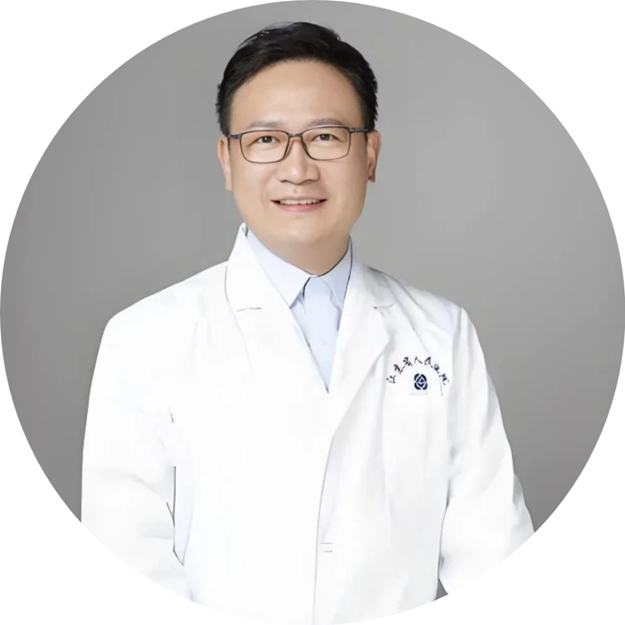
Professor Lei Fan
Professor and Chief Physician, Department of Hematology Jiangsu Provincial People’s Hospital PhD Supervisor
- Vice Chair, Hematologic Oncology Committee, China Anti-Cancer Association
- Deputy Head, Lymphocytic Diseases Group, Chinese Society of Hematology
- Member, Chinese Medical Doctor Association Hematology Branch
- Chair, Jiangsu Lymphoma Committee, Jiangsu Medical Association
- Deputy Chair, Nanjing Hematology Society
- Postdoctoral Fellow, NewYork-Presbyterian Hospital (Columbia & Cornell Universities)
- Research focus: Precision diagnosis and treatment of lymphoid malignancies