Raynier Devillier
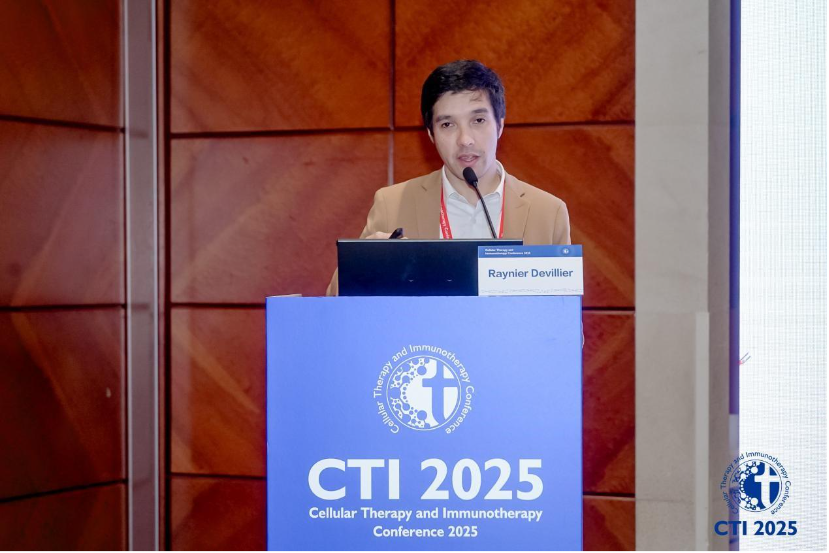
At the 50th Annual Meeting of the EBMT in Glasgow, Scotland, Raynier Devillier, MD, PhD, of the Paoli-Calmettes Institute in Marseille, France, offered a detailed comparison of transplantation outcomes for patients receiving grafts from haploidentical versus unrelated donors. Dr. Devillier highlighted new data from The French Society of Marrow Transplantation and Cellular Therapy (SFGM-TC) that indicates survival outcomes are comparable between the two donor types. This finding allows clinicians greater flexibility to select a donor based on the individual needs of the patient.
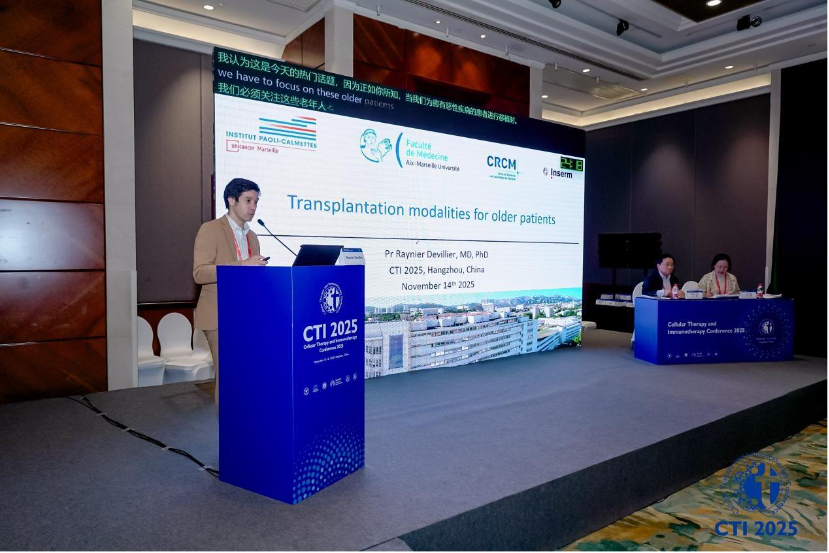
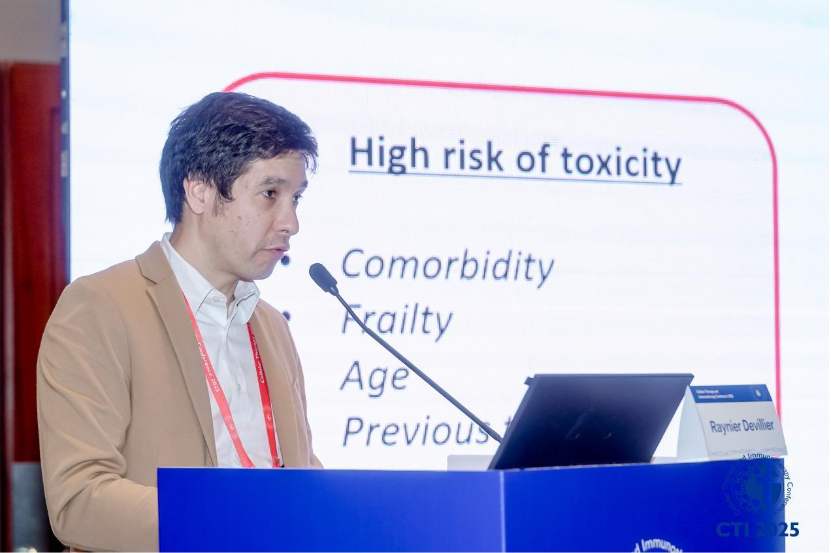
Addressing the complexities of treating older patients, Dr. Devillier noted that for individuals over 70 with refractory disease, transplantation is often not considered due to anticipated low survival rates. The critical challenge lies in balancing the risks of toxicity and relapse. He explained that for patients over 60, his practice favors lower-intensity conditioning regimens to minimize early toxicity. Instead of increasing the intensity of the conditioning, efficacy can be enhanced with post-transplant maintenance therapies designed to boost the graft-versus-leukemia (GVL) effect.
Dr. Devillier also discussed the evolving strategy for donor selection in older recipients. While HLA-matched sibling donors have traditionally been the gold standard, recent evidence underscores the critical importance of donor age. He pointed out that transplants from older matched siblings can result in lower overall survival and a higher risk of relapse compared to those from younger unrelated or haploidentical donors. Consequently, the priority in donor selection is shifting. For patients with high-risk diseases, the focus is now on identifying the youngest and most rapidly available donor, a strategy made feasible by advancements in haploidentical transplantation and the use of mismatched unrelated donors.