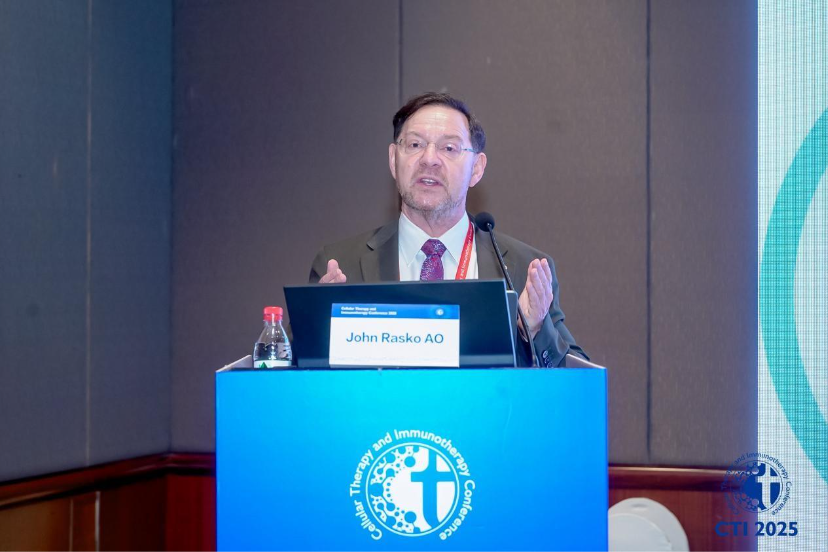
In recent years, breakthroughs in gene and cell therapy have brought revolutionary hope for the diagnosis and treatment of genetic diseases and malignant tumors. Recently, a six-year long-term follow-up study published in The New England Journal of Medicine confirmed the lasting efficacy and favorable safety of adeno-associated virus (AAV)-mediated Factor IX gene therapy for patients with hemophilia B. However, extending this therapy to a broader patient population still faces numerous challenges. Meanwhile, cell therapies, represented by CAR-T therapy, have shown immense potential in hematological malignancies and autoimmune diseases, with their technological development entering a new phase. From November 13-16, 2025, the 2025 International Conference on Cell and Immunotherapy (CTI 2025) will be held in Hangzhou, Zhejiang. During the conference, Oncology Horizon – Hematology Express specifically invited Professor John E.J. Rasko AO from the Royal Prince Alfred Hospital, Australia, to systematically elaborate on the clinical progress, existing challenges, and future directions of these advanced therapies, with the aim of providing reference for clinical practice and research in this field.
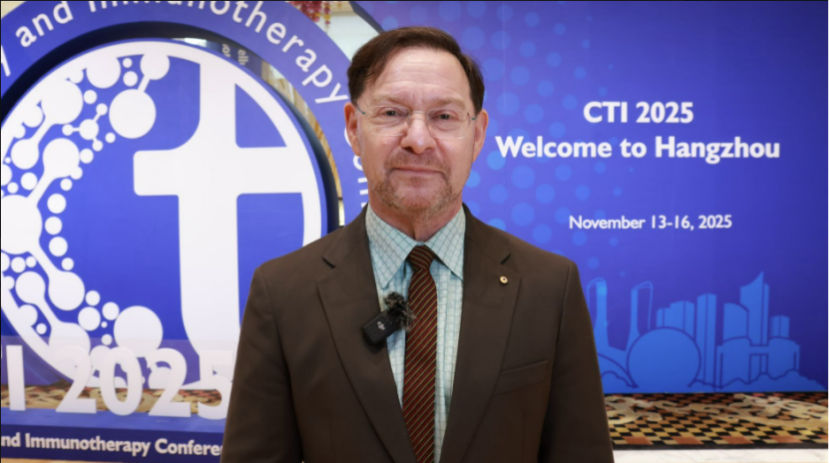
Professor John E.J. Rasko AO:
“Recently, our team published a six-year follow-up study in The New England Journal of Medicine, evaluating the long-term outcomes of a single infusion of AAV vector-mediated gene therapy for hemophilia B. The study showed that this therapy is not only safe and effective, but more importantly, its efficacy is long-lasting, with only signs of a plateau observed within six years. The vast majority (>85%) of patients benefited from this, with a significant reduction in bleeding events and the need for exogenous factors, leading to a substantial improvement in quality of life. The results of the related quality of life study will also be published in another journal. This marks a steady progression towards the goal of a ‘one-time cure’ for hemophilia.
While the prospects are promising, extending this gene therapy to a broader patient population with hemophilia, to meet their unmet clinical needs, still faces many challenges. The primary challenge is how to make the treatment accessible to all eligible and willing patients. Currently, hemophilia treatment has evolved from plasma-derived and recombinant factor replacement therapies to the exploration of long-acting factors. However, these are still intermittent treatment regimens requiring repeated administration, with patients needing frequent injections. This makes it difficult to avoid peak and trough effects during drug metabolism, affecting their quality of life.
The successful clinical implementation of gene therapy relies heavily on excellent medical centers with rich experience and comprehensive capabilities. The development history of this field is profound; for example, the first exploration of using adeno-associated virus (AAV) vectors to treat hemophilia can be traced back to a collaborative project with the Children’s Hospital of Philadelphia in 2001. In recent years, through collaborative efforts from industry, academia, and medical institutions, related technologies have matured, successfully leading to regulatory approval for gene therapies targeting hemophilia B and hemophilia A in recent years.
However, the further development of this field still faces multiple challenges: high-dose administration may cause significant toxic reactions, the long-term durability of gene therapy for hemophilia A requires more data for validation, and most realistically, the high treatment costs and medical insurance reimbursement barriers. These factors together constitute major obstacles, leading some companies to withdraw from the field due to difficulties in recovering research and development investments, which can span over ten years and amount to billions of dollars, within a reasonable timeframe.
Furthermore, the accessibility and applicability of the therapy in pediatric patient populations also present current difficulties. This is primarily reflected in the fact that a significant proportion of individuals have pre-existing AAV immunity due to previous infections, which may affect efficacy. At the same time, for adolescent patients and younger whose hepatocytes are still in an active turnover phase, their gene-modified cells may gradually decrease with physiological metabolism, making it difficult to maintain the long-term treatment effect. This greatly limits the application of gene therapy in pediatrics. Therefore, despite the potential for a curative outlook for most patients, gene therapy still faces significant resistance to widespread clinical application.
When introducing advanced therapeutic products, long-term safety and clinical benefit must be at the core. The robustness and operability of the technology, the skilled application by healthcare professionals, and patient acceptance are key challenges to realizing therapeutic value, as patients are always the fundamental basis for the development of all innovative therapies. This also places important demands on patients, healthcare systems, and payers for long-term follow-up and monitoring. Currently, the actual number of cases worldwide who have received curative intravascular gene therapy is still limited. We urgently need to clarify its long-term outcomes after 10, 20, or even 50 years. Therefore, establishing a systematic long-term follow-up mechanism, continuously evaluating the durability of efficacy, and developing next-generation therapies based on existing clinical evidence are of crucial clinical and scientific significance. The mandatory requirements of regulatory agencies for long-term monitoring, as well as the mutual recognition of both medical professionals and patients, all require continuous personal and financial investment to consolidate efficacy and to timely discover unforeseen long-term toxic reactions.
On the other hand, the recent CTI conference in Hangzhou highlighted the latest advancements in cell therapy, especially CAR-T cell therapy. This type of therapy has not only shown significant efficacy in hematological malignancies but has also accumulated strong evidence in various autoimmune diseases such as rheumatoid arthritis, systemic lupus erythematosus, and systemic sclerosis in recent years, demonstrating broad clinical potential. As in vitro studies, animal model data continue to enrich, and as first-in-human trials and Phase I/II clinical studies progressively advance, these new technologies are expected to bring breakthrough hope to more patients. However, issues such as safety management, toxicity control, and cost and reimbursement remain real challenges.
Among many cutting-edge directions, in vivo CAR-T therapy is particularly noteworthy – this technology utilizes delivery systems such as adeno-associated viruses (AAV) or lipid nanoparticles to directly genetically modify T cells or their precursors within the patient’s body, allowing a very small number of T cells to expand and exert anti-tumor effects, essentially creating a ‘bio-factory’ in vivo. Before this ultimate goal is achieved, developing ready-to-use, allogeneic CAR-T products using immune effector cells derived from induced pluripotent stem cells, such as NK cells, T cells, macrophages, and dendritic cells, can serve as an important transitional strategy.”
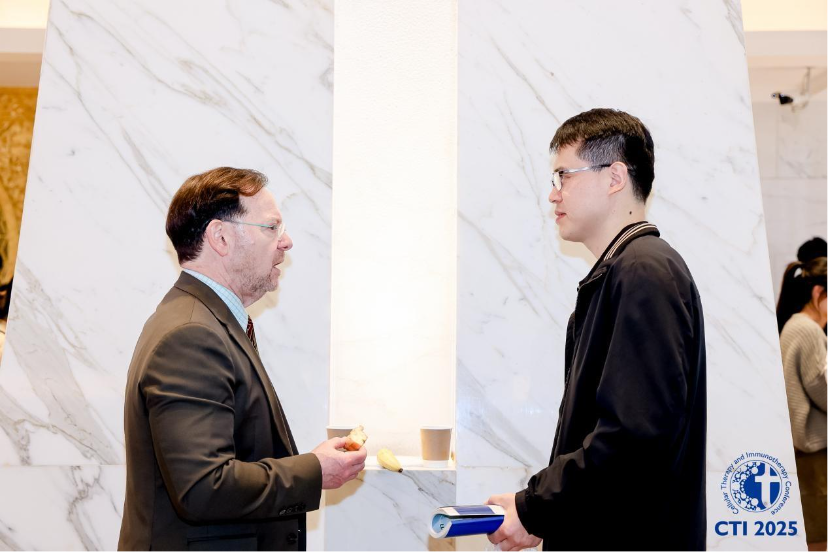
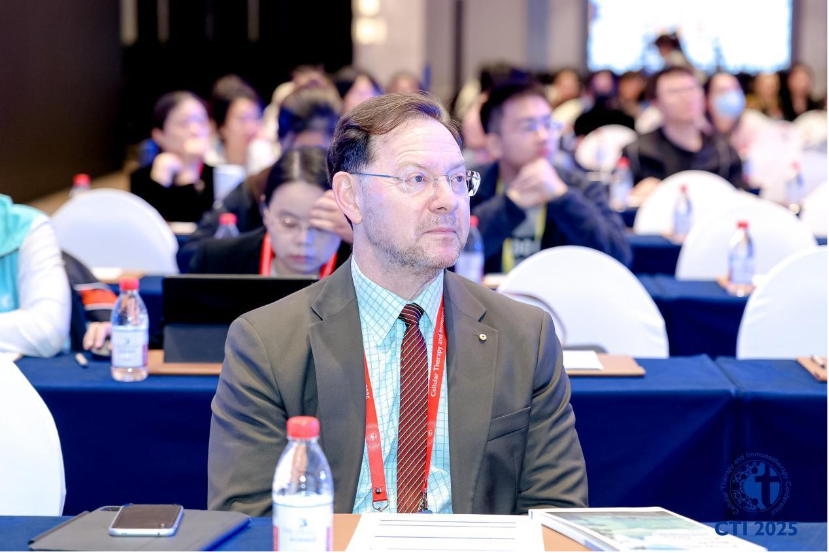
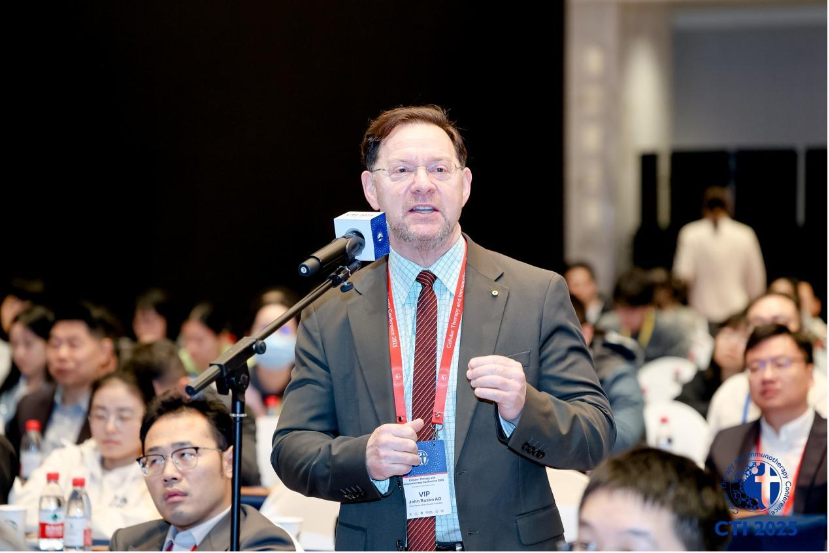
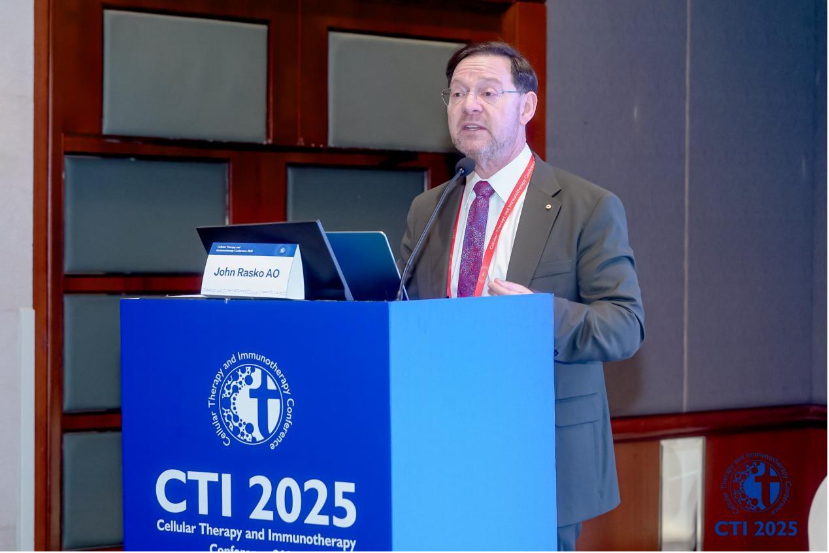
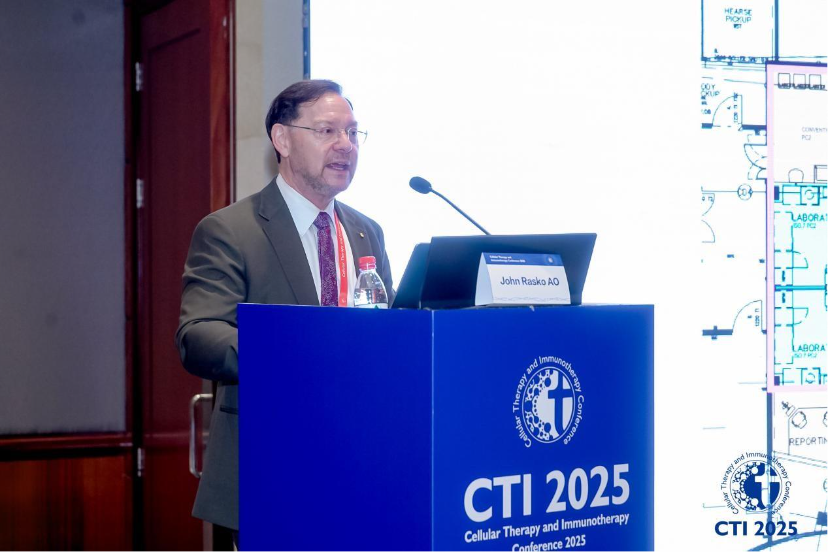
Professor John E.J. Rasko AO
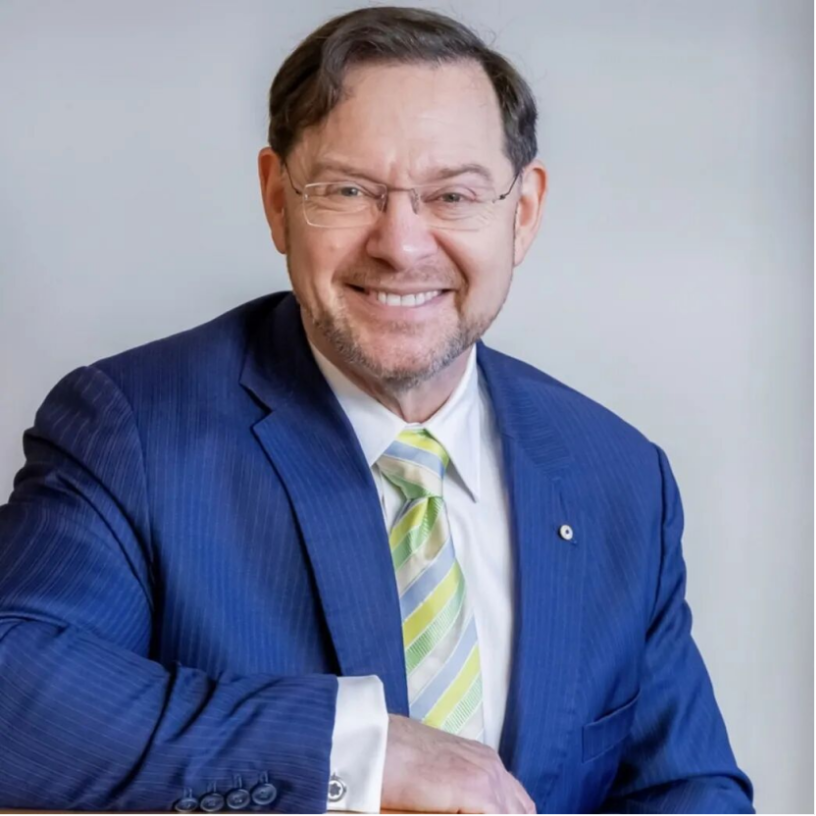
Professor Rasko is a pioneer in the international gene and stem cell therapy field, dedicated to the research and clinical application of adult stem cells and gene therapy for a long time.
From 1999 to 2024, Professor Rasko served as the Head of Cell and Molecular Therapies at Royal Prince Alfred Hospital and the Head of the Gene and Stem Cell Therapy Program at the University of Sydney. In 2000, he co-founded the Australasian Gene and Cell Therapy Society and served as President of the International Society for Cell & Gene Therapy from 2018 to 2020. He has published over 270 academic papers and enjoys an international reputation in the fields of gene and stem cell therapy, experimental hematology, and molecular biology (H-index 75).
Professor Rasko is a founding Fellow of the Australian Academy of Health and Medical Sciences and a popular communicator of biomedical science. He has received multiple national and international awards for his outstanding achievements in medical research and was appointed an Officer of the Order of Australia.