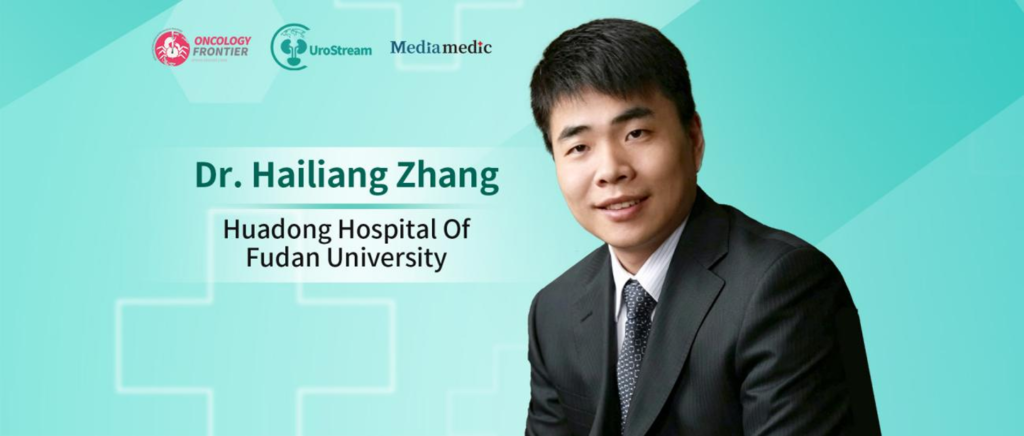
Editor’s Note: Systemic therapy for urological tumors is undergoing a profound transformation, shifting from empiric treatment toward mechanism-driven, precision-based risk stratification and whole-course management. In clear cell renal cell carcinoma (ccRCC), the immune-excluded tumor microenvironment is an important factor influencing the efficacy of immune checkpoint inhibitors. In urothelial carcinoma, antibody-drug conjugates (ADCs) combined with immunotherapy are moving beyond first-line treatment for advanced disease and increasingly being explored in the perioperative setting. For von Hippel-Lindau (VHL) syndrome, standardized management of this rare disease and the application of HIF-2α inhibitors are also reshaping traditional approaches to multi-organ intervention. As new mechanisms and therapeutic strategies continue to expand the boundaries of treatment, identifying patients most likely to benefit, dynamically evaluating treatment response, and appropriately transitioning patients with disease progression to subsequent therapies have become key questions in clinical practice. At the 2026 Pujiang Urological Oncology Academic Conference, Oncology Frontier – Urology Frontier invited Professor Hailiang Zhang of Huadong Hospital Affiliated to Fudan University for an exclusive interview. Professor Zhang discussed the mechanisms of immunotherapy resistance in renal cell carcinoma, advances in the diagnosis and treatment of urothelial carcinoma and VHL syndrome, as well as precision treatment selection and whole-course management.Unraveling the Mystery of Immunotherapy Resistance: Spatial Multi-Omics Reveals the Tumor “Eggshell Structure” Barrier
01
Your team recently conducted a study using spatial multi-omics and discovered that, in a subset of clear cell renal cell carcinomas, POSTN-positive fibroblasts and APOE-positive macrophages jointly form an immune barrier that prevents T cells from entering the tumor, thereby contributing to resistance to immunotherapy. What important insights does this translational study provide for understanding the mechanisms of immunotherapy resistance in renal cancer and optimizing existing immunotherapy strategies?
Professor Hailiang Zhang: This is a basic and translational study focused on the core mechanisms underlying immunotherapy resistance. We found that in a subset of ccRCCs, POSTN⁺ cancer-associated fibroblasts (CAFs) and APOE⁺ tumor-associated macrophages (TAMs) interact and intertwine at the tumor margins, forming an immune barrier resembling an “eggshell.” It can be visualized as an egg: the tumor represents the “yolk,” while POSTN⁺ CAFs and APOE⁺ TAMs jointly form the surrounding “eggshell.”
This “eggshell” prevents T cells, B cells, natural killer (NK) cells, dendritic cells (DCs), and other cells involved in antigen presentation and immune-mediated killing from infiltrating the tumor. A key prerequisite for PD-1/PD-L1 and CTLA-4 inhibitors to work is that effector immune cells are able to enter the tumor microenvironment and become reactivated. Once immune-cell infiltration is blocked, simply releasing immunosuppressive signals is unlikely to generate sufficient antitumor activity. Therefore, the “eggshell structure” may represent an important mechanism of immunotherapy resistance.
How does this “eggshell structure” form? Not all CAFs express POSTN. POSTN⁺ CAFs with specialized secretory functions can release a variety of cytokines, inducing and recruiting APOE⁺ TAMs to accumulate around the tumor. Continuous bidirectional communication between these two cell populations reinforces the stromal and myeloid-cell barrier, ultimately forming a dense “eggshell structure.” At the same time, immunosuppressive signals such as TGF-β further impair the infiltration and function of effector T cells. Therefore, even when PD-1/PD-L1 or CTLA-4 inhibitors are administered, therapeutic efficacy may remain substantially limited if immune cells cannot penetrate the tumor core.
The potential clinical translational value of this finding lies primarily in two areas.
First, enrichment of POSTN⁺ CAFs and APOE⁺ TAMs in tumor tissue may indicate a more pronounced immune-excluded phenotype and may be associated with poorer prognosis and an inadequate response to immune checkpoint blockade. If standardized detection methods can be established in the future, this microenvironmental feature could complement existing biomarkers and help identify patients at higher risk of primary resistance. However, this conclusion still requires validation in larger prospective cohorts and cannot currently replace clinical decision-making.
Second, targeting the POSTN-related pathway may offer a potential approach to reversing immunotherapy resistance. Our research indicates that intervention in this pathway can remodel macrophage states and the stromal barrier while restoring CD8⁺ T-cell infiltration. When combined with immune checkpoint inhibitors, the antitumor effect may be further enhanced. This suggests that future treatment strategies should not focus solely on “activating T cells”; they may also attempt to “remove the barrier” first and then restore antitumor activity through combination immunotherapy. POSTN, APOE, and their upstream and downstream signaling pathways warrant further investigation for therapeutic translation.
Systemic Therapy Moves Earlier, Reshaping Whole-Course Management of Urothelial Carcinoma and VHL Syndrome
02
Based on your presentation, what are the key clinical developments in urothelial carcinoma and VHL syndrome? As these advances change treatment decision-making, what new requirements do they create for patient selection, response assessment, and long-term follow-up?
Professor Hailiang Zhang: Urothelial carcinoma and VHL syndrome have different disease characteristics, but both reflect a common trend: systemic therapy is moving from late-stage salvage treatment toward earlier stages and becoming increasingly integrated with organ preservation, surgical decision-making, and long-term management.
First, let us consider recent developments in urothelial carcinoma.
In advanced urothelial carcinoma, 3.5-year follow-up data from the EV-302 study were presented at an international conference this year. The results showed significant overall efficacy advantages for ADC-based combination immunotherapy over chemotherapy: the objective response rate (ORR) was more than twice that of chemotherapy, progression-free survival (PFS) was also more than twice as long, and overall survival (OS) was significantly improved. Based on these data, the regimen has been incorporated into the core first-line recommendations for advanced urothelial carcinoma in guidelines from the Chinese Society of Clinical Oncology (CSCO), National Comprehensive Cancer Network (NCCN), European Association of Urology (EAU), and European Society for Medical Oncology (ESMO). The transformation of first-line treatment therefore represents one of the most important advances in pharmacological treatment for urothelial carcinoma.
The second major development is the movement of systemic therapy into the neoadjuvant setting. Relevant studies have included patients with muscle-invasive bladder cancer who are either cisplatin-ineligible or cisplatin-eligible. ADC plus immunotherapy has demonstrated considerable potential both compared with strategies without neoadjuvant treatment and with four cycles of gemcitabine plus cisplatin (GC) neoadjuvant chemotherapy in cisplatin-eligible patients. Event-free survival (EFS) and response-related endpoints were substantially improved, while the pathological complete response (pCR) rate is particularly noteworthy, reaching approximately 40% in the Chinese population.
These developments are driving three major changes in treatment concepts.
First, first-line treatment for advanced urothelial carcinoma is shifting from conventional chemotherapy toward ADC plus immunotherapy. Although this strategy has been widely adopted at some major centers, dissemination of updated guidelines and clinical implementation in remote areas as well as prefecture-level and county-level medical institutions still need to be strengthened. In the future, we need to continue guideline promotion and standardized training while improving drug accessibility and affordability. Cost remains an important barrier to clinical application. Hopefully, as more drugs in this class become available and reimbursement support continues to improve, more patients will be able to benefit from these new treatment strategies.
Second, the proportion of patients receiving neoadjuvant treatment needs to increase further. In China, enthusiasm for neoadjuvant treatment is relatively high, with approximately 30%–40% of patients currently receiving such treatment. Based on available evidence and potential clinical benefit, theoretically 80%–90% of patients may need to be considered for neoadjuvant therapy. In the past, neoadjuvant treatment relied primarily on chemotherapy, and some patients were unable to receive it because of impaired renal function, cisplatin ineligibility, or personal preference. The overall tolerability and preoperative potential of ADC plus immunotherapy may allow more patients to receive neoadjuvant treatment. Nevertheless, contraindications to immunotherapy, comorbidities, and individual risks must still be carefully evaluated. Expanding the eligible patient population and improving drug accessibility may further drive changes in perioperative treatment strategies.
Third, approximately 30%–40% of patients may achieve pCR after neoadjuvant treatment, creating new possibilities for organ preservation. In patients who achieve a deep response following induction therapy, bladder- or kidney-preserving strategies may eventually be explored under strict patient selection and close surveillance rather than proceeding automatically to radical surgery. Of course, this direction still requires further prospective validation.
These represent important developments that are already influencing clinical decision-making in urothelial carcinoma. Let me now turn to VHL syndrome.
I believe the progress in VHL syndrome is mainly reflected in two areas. First, with VHL syndrome included in China’s rare disease catalog, Shanghai and other regions are continuing to improve related management systems. A whole-course management framework covering prevention, screening, diagnosis, treatment, and comprehensive follow-up is gradually being established, with each component closely connected and indispensable. Although this work remains at an early stage, continued investment and system development should make VHL management and follow-up more patient-centered, systematic, and standardized.
Second, VHL syndrome now has a systemic treatment option targeting its pathogenic pathway—the HIF-2α inhibitor belzutifan. Data from the LITESPARK-015 study in Chinese patients are particularly noteworthy: the ORR was close to 80%, the disease control rate reached 98%, and the duration of disease control exceeded 22 months. Overall, this therapy represents an important breakthrough in disease control for VHL syndrome, particularly in patients with renal manifestations, and may substantially reduce the need for repeated multi-organ interventions, including renal tumor resection, laser treatment for retinal tumors, surgery for cerebral or spinal hemangioblastomas, pancreatic neuroendocrine tumor surgery, and surgery for adrenal or retroperitoneal pheochromocytomas. The data suggest that the need for surgical intervention may be reduced by more than 60%, which could also generate substantial savings in healthcare resources.
Therefore, a whole-course management system centered on “prevention, screening, diagnosis, treatment, and rehabilitation,” together with the introduction of novel therapies, is jointly driving improvements in the overall management of VHL syndrome.
Optimizing Treatment Selection and Subsequent-Line Strategies Through Molecular Subtyping and Dynamic Reassessment
03
As immunotherapy, ADCs, and other novel systemic treatment strategies continue to enter clinical practice, how can we better identify patients most likely to benefit and optimize transitions between different treatment approaches? For patients who initially achieve disease control but subsequently develop progression, what factors should be prioritized when selecting subsequent treatment?
Professor Hailiang Zhang: Precision treatment must first recognize tumor heterogeneity. In advanced renal cell carcinoma, for example, targeted therapy, immunotherapy, and combination approaches all have established value. However, we still lack a mature single biomarker that can be applied universally to directly determine whether immunotherapy should be added. Therefore, at present, clinical risk stratification needs to be integrated with molecular research rather than relying solely on a single test result.
Our team is also conducting related basic research. Although these findings have not yet entered routine clinical application, we have identified several potential indicators of immunotherapy benefit, including immune subtypes. In ccRCC, using proteomic and other multi-omics analyses, we classified patients into three subtypes—GP1, GP2, and GP3. GP1 demonstrated characteristics of an immune “hot tumor,” suggesting that these patients may be more suitable for regimens incorporating immunotherapy. In addition, in a targeted-therapy cohort, we found that some patients showed primary resistance to targeted therapy but may be sensitive to immunotherapy, while also having relatively poor prognoses. For these patients, targeted therapy alone as the initial treatment may not be optimal, and combination immunotherapy may warrant greater consideration.
We have also conducted corresponding subtyping studies in non-clear cell renal cell carcinoma. For TFE3-rearranged renal cell carcinoma, some patients may require immunotherapy in combination with targeted therapy. In collecting duct carcinoma and renal medullary carcinoma, we have investigated the structure of the immune microenvironment. In renal medullary carcinoma, for example, our research suggests that CCL19 may help assess tumor aggressiveness and response to immunotherapy, making it a potential predictive biomarker worthy of further validation.
We have also conducted research on second-line treatment. This study was initiated during my time at Fudan University Shanghai Cancer Center and explored fruquintinib combined with sintilimab as second-line therapy for patients who had failed first-line targeted therapy. The results showed that this regimen achieved overall efficacy approaching that observed with first-line treatment in the second-line population, which is encouraging. In the future, these data may provide new evidence for guideline updates and clinical decision-making.
For patients who progress after first-line treatment, the first step is to analyze the reason for progression. When feasible, we advocate repeat sampling followed by genetic testing or more comprehensive multi-omics analyses to clarify the mechanism of resistance and reassess molecular subtypes. Based on this information, we can then determine whether subsequent treatment should focus primarily on targeted therapy, immunotherapy, or a new combination strategy, such as lenvatinib plus a PD-1 inhibitor or anlotinib plus everolimus. Dynamic reassessment and risk stratification may improve the precision of subsequent treatment selection.
In addition, we are exploring the use of tertiary lymphoid structures to guide second-line treatment selection. If a patient has positive or mature tertiary lymphoid structures, subsequent treatment may be more likely to benefit from the addition of immunotherapy. In the absence of tertiary lymphoid structures, or when these structures remain immature, dual-targeted therapy may be considered. This strategy remains at the clinical research stage and has not yet reached a definitive conclusion; at present, it should be regarded only as a research hypothesis requiring further validation.
Summary
Professor Hailiang Zhang’s discussion bridges basic translational research and clinical practice: from the discovery of the “eggshell structure” underlying immune resistance in renal cancer through spatial multi-omics, to the dual potential of POSTN as a prognostic biomarker and therapeutic target; from the breakthroughs achieved with ADC plus immunotherapy in first-line and neoadjuvant treatment of urothelial carcinoma, to the new multi-organ treatment possibilities offered by HIF-2α inhibition for VHL syndrome; and from multi-omics-based molecular subtyping and tertiary lymphoid structures to emerging strategies for precision risk stratification and sequential therapy. Starting with mechanistic research and ultimately focusing on patient benefit, precision, personalization, and whole-course management are becoming key directions in the development of systemic therapy for urological tumors.

Professor Hailiang Zhang