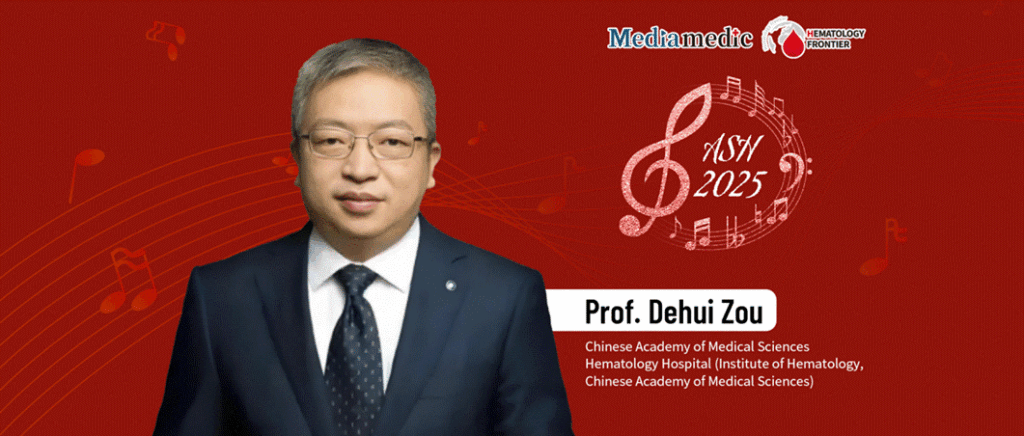
From December 6–9, 2025, the 67th Annual Meeting of the American Society of Hematology (ASH) was held in Orlando, USA. As the world’s largest and most influential international conference in hematology, ASH attracts tens of thousands of experts and scholars each year to share the latest advances and breakthrough research in the field.At this year’s meeting, multiple studies from Professor Zou Dehui’s team at the Lymphoma Diagnosis and Treatment Center of the Institute of Hematology & Blood Diseases Hospital, Chinese Academy of Medical Sciences were accepted for presentation. These studies focused on early response prediction and therapeutic advances in relapsed/refractory diffuse large B-cell lymphoma (R/R-DLBCL).
Oncology Frontier – Hematology Frontier conducted an in-depth interview with Professor Zou to discuss the key findings and clinical implications of these studies. The content is summarized below for academic exchange and reference.
Oncology Frontier – Hematology Frontier:
Your team presented a study at ASH demonstrating that metabolomics combined with machine learning can successfully predict early response and the risk of long-term cytopenias after CAR-T therapy in patients with R/R-DLBCL. Could you elaborate on the clinical potential of this predictive model and how it may help clinicians make more precise decisions early in treatment?
Professor Zou Dehui:
In general, DLBCL patients who fail to achieve complete remission (CR) within three months after CAR-T therapy are highly likely to experience early relapse or disease progression, and their long-term outcomes are usually poor. However, such assessments are largely retrospective.
With respect to post-treatment response evaluation, our center previously established a predictive model that integrates PET-CT imaging with early circulating tumor DNA (ctDNA) results at days 14 and 28 after CAR-T infusion. This model enables prediction of long-term outcomes and provides valuable guidance on whether early intervention or combination strategies should be considered.
Nevertheless, a predictive model capable of accurately forecasting CAR-T efficacy before treatment initiation would be of even greater clinical value. Such a model could substantially improve patient selection and facilitate early intervention strategies to enhance CAR-T efficacy.
To address this need, we collected peripheral blood samples from patients prior to CAR-T therapy and performed untargeted metabolomic profiling. Using metabolomics data combined with machine-learning algorithms, we developed a preliminary predictive model. The results demonstrated that this model performed well in both the training cohort and the validation cohort, effectively identifying patients who subsequently achieved deep remission after CAR-T therapy.
This model remains exploratory, and future efforts will focus on expanding the cohort size and integrating additional metabolomic parameters to improve predictive accuracy, ultimately supporting more informed decision-making for both clinicians and patients.
Oncology Frontier – Hematology Frontier:
In another study, your team evaluated the efficacy of combining commercial CAR-T products with high-dose chemotherapy and autologous stem cell transplantation (HDT/ASCT) in R/R-DLBCL. Could you share your perspectives on long-term survival and safety, and how this approach compares with conventional therapies?
Professor Zou Dehui:
Historically, CAR-T therapy has been indicated for second-line treatment—particularly in patients with early relapse or high-risk refractory disease—and for third-line or later treatment in R/R-DLBCL. Approved CAR-T products have shown overall response rates of approximately 50–80%, with complete remission rates of 40–60% and long-term survival rates of about 30–40%. In other words, only around one-third of patients achieve durable survival with CAR-T monotherapy, which clearly does not meet current clinical needs.
As a result, combining CAR-T therapy with other modalities to enhance efficacy, increase CR rates, and improve long-term survival has become a major research focus in recent years.
For young, transplant-eligible patients with R/R-DLBCL, CAR-T therapy combined with HDT/ASCT represents a promising and reliable strategy. Several studies from Chinese research groups have demonstrated a synergistic effect with this approach, resulting in significantly improved response rates, CR rates, and long-term survival. Subgroup analyses further suggest that adverse prognostic factors—such as TP53 mutations, secondary central nervous system involvement, and multiple extranodal lesions—can be substantially mitigated with this combined approach.
In our center’s early studies using academic CAR-T products in combination with HDT/ASCT for a highly refractory R/R-DLBCL cohort, we achieved an overall response rate of 92%, a complete remission rate of 72%, and a 2-year progression-free survival (PFS) rate of 63%.
However, evidence regarding the combination of commercial CAR-T products with HDT/ASCT has been limited. At this year’s ASH meeting, we presented data from 15 DLBCL patients treated with two commercial CAR-T products approved in China since 2021 (axicabtagene ciloleucel and relmacabtagene autoleucel) in combination with HDT/ASCT. Notably, 90% of these patients had advanced-stage disease, with high proportions of primary or secondary refractory disease. More than one-quarter had secondary central nervous system involvement, and TP53 mutations or deletions were common.
With extended follow-up, the overall response rate reached 93%, the complete remission rate was 80%, and the 2-year PFS was as high as 68.9%, confirming the strong efficacy of this combined strategy.
We therefore believe that CAR-T therapy combined with HDT/ASCT offers both favorable efficacy and acceptable safety for patients with R/R-DLBCL, particularly for young and transplant-eligible individuals. Under the guidance of the Chinese Society of Clinical Oncology (CSCO), our center is also initiating the development of a Chinese expert consensus on autologous stem cell transplantation combined with CAR-T therapy for R/R-DLBCL, with the goal of facilitating broader clinical adoption of this approach.
Oncology Frontier – Hematology Frontier:
Your team also investigated bispecific antibodies as bridging therapy before CD19 CAR-T treatment. Could you explain the rationale and clinical significance of combining bispecific antibodies with CAR-T therapy? For patients who are not candidates for autologous stem cell transplantation, could this strategy serve as an effective alternative?
Professor Zou Dehui:
Before CAR-T therapy, tumor burden and disease kinetics play a critical role in determining both efficacy and safety. Patients with high tumor burden or rapidly progressive disease often experience inferior responses and higher rates of adverse events, including cytokine release syndrome (CRS) and immune effector cell–associated neurotoxicity syndrome (ICANS).
Therefore, effective bridging therapy to reduce tumor burden and stabilize disease prior to CAR-T infusion is essential for optimizing outcomes and safety.
Many R/R-DLBCL patients treated at our center have undergone multiple prior lines of therapy and are refractory to conventional regimens, including immunochemotherapy and small-molecule targeted therapies. Following the approval of CD20/CD3 bispecific antibodies in China, these agents have demonstrated favorable efficacy and safety in this difficult-to-treat population.
Based on this, we designed bispecific antibody–based salvage or bridging regimens for R/R-DLBCL patients, followed by sequential CAR-T therapy or CAR-T combined with ASCT. At ASH, we reported outcomes from 11 patients treated with this approach. More than 80% achieved partial remission (PR) after bispecific antibody therapy, and following subsequent CAR-T therapy (n = 3) or CAR-T combined with ASCT (n = 8), the overall PR rate reached 100%, with 81.8% achieving complete remission.
At the time of ASH submission, with a median follow-up of 12 months, all patients remained progression-free. In addition, our in vitro studies clearly demonstrated a synergistic interaction between bispecific antibodies and CAR-T therapy. This sequential or combined strategy may allow more patients with R/R-DLBCL to access subsequent treatment opportunities and achieve improved long-term outcomes.
Oncology Frontier – Hematology Frontier:
Based on these findings, how do you envision the future role of CAR-T therapy in R/R large B-cell lymphoma? How might these emerging strategies reshape treatment standards, particularly with respect to efficacy and patients’ quality of life?
Professor Zou Dehui:
Many therapeutic strategies are initially developed for patients in late-stage or end-line settings, and CAR-T therapy is no exception. To date, CAR-T therapy has demonstrated both safety and efficacy in patients with R/R DLBCL treated in the second-line or later settings. Accordingly, CAR-T therapy has already been incorporated into treatment guidelines as a second-line option, and studies such as ZUMA-12 and ZUMA-23 have explored its use in frontline or so-called “1.5-line” treatment settings.
By applying more sensitive and effective response-assessment tools, we can identify at an early stage those DLBCL patients who are highly likely to be refractory to or relapse after conventional therapy. For these high-risk patients, earlier use of CAR-T therapy—or bispecific antibodies combined with CAR-T—may improve outcomes, reduce the likelihood of progression to relapsed or refractory disease, shorten treatment duration, and potentially lower overall treatment costs.
In this context, our center is currently using PET-CT combined with ctDNA assessment after the second and fourth cycles of first-line therapy to evaluate treatment response. This approach enables early identification of high-risk, treatment-refractory DLBCL patients and allows selective advancement of CAR-T therapy in the treatment sequence to achieve superior outcomes.
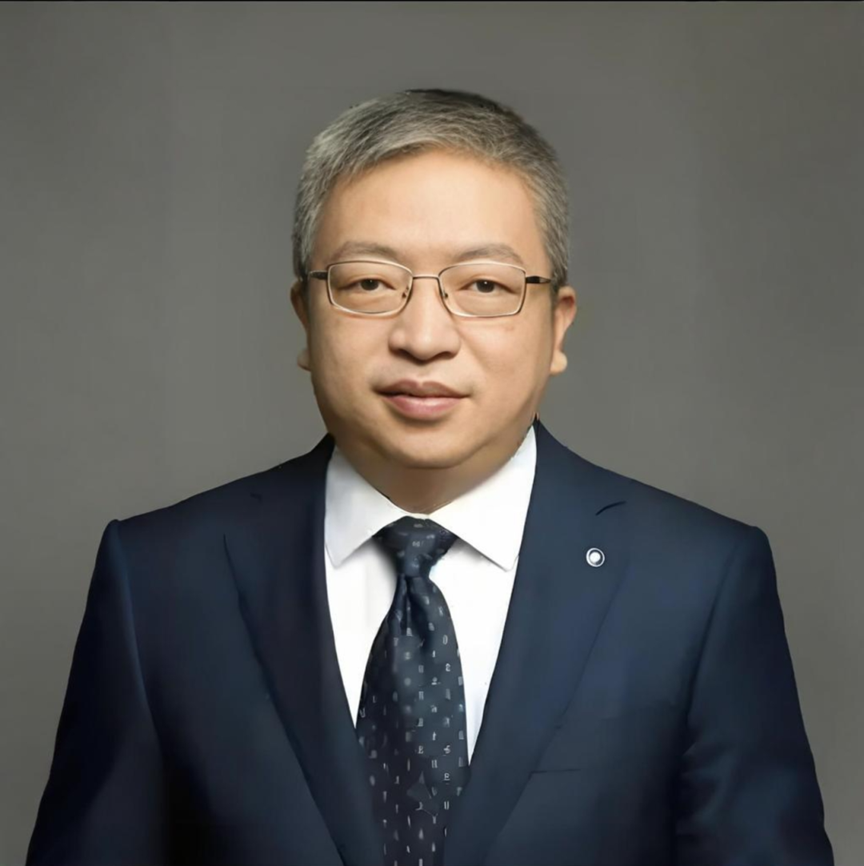
Expert Profile
Professor Zou Dehui, MD
Institute of Hematology & Blood Diseases Hospital
Chinese Academy of Medical Sciences
- Chief Physician; Master’s Supervisor
- Director, Transplantation and Cellular Therapy Unit, Lymphoma Center
- Vice Chair, CSCO Lymphoma Expert Committee
- Standing Member, Lymphoma Committee, Chinese Anti-Cancer Association
- Standing Member, Lymphoma Rehabilitation Committee, Chinese Anti-Cancer Association
- Member, Rare Diseases Group, Hematology Branch, Chinese Medical Association
- Standing Member, Hematology Committee, Chinese Medical Education Association
- Vice Chair, Myeloma Committee, Chinese Medical Education Association
- Standing Member, Hematology Branch, Chinese Geriatrics Society
- Chair, Lymphoma Committee, Tianjin Anti-Cancer Association
- Vice Head, CSCO Autologous Hematopoietic Stem Cell Transplantation Working Group
- Young Editorial Board Member, Chinese Journal of Hematology
Research Interests:
Clinical and translational research in lymphoid malignancies (including lymphoma and multiple myeloma), hematopoietic stem cell transplantation, and CAR-T cell therapy for hematologic malignancies.