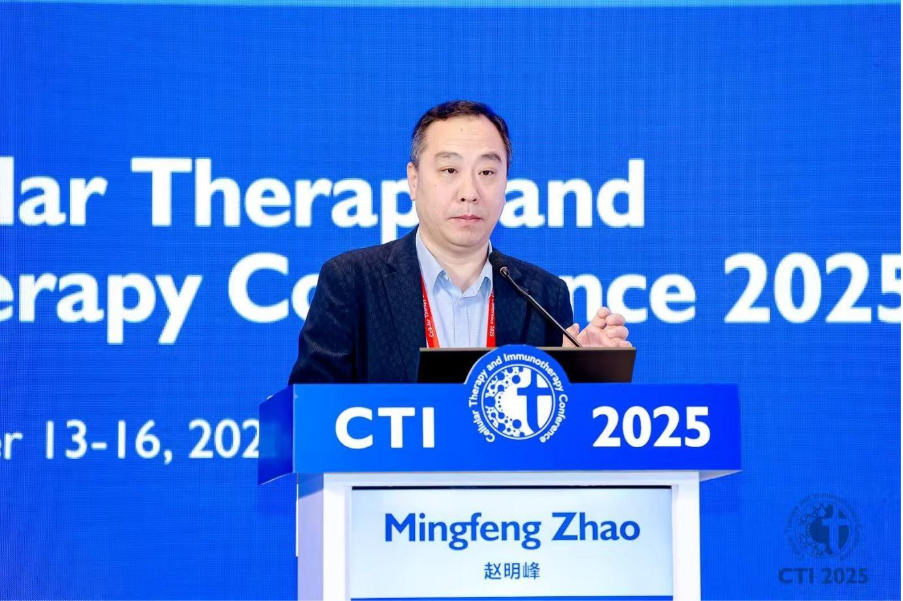
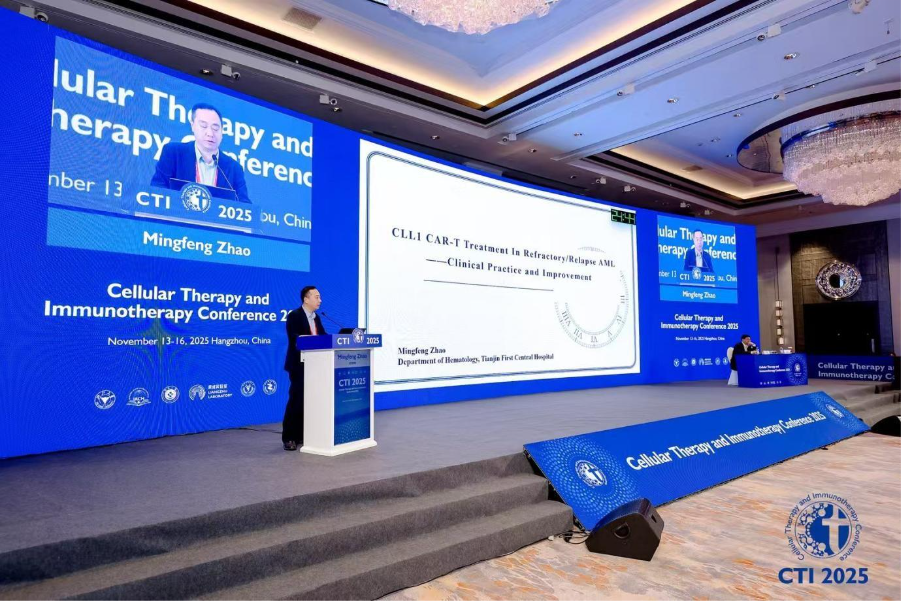
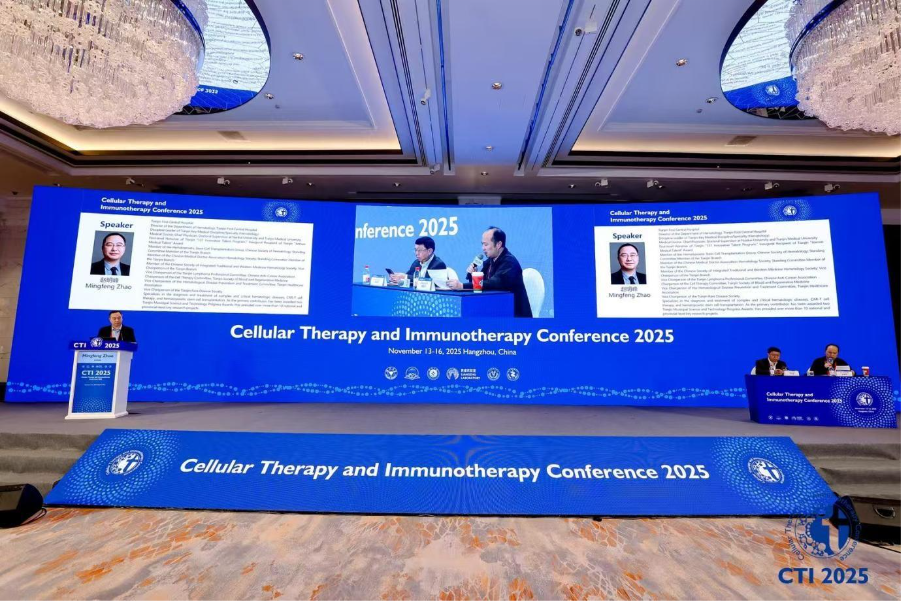
To promote innovation in China’s cell and immunotherapy fields, deepen discussions on key scientific questions, share the latest clinical advancements, and foster global collaboration and clinical translation, the 2025 International Cell & Immunotherapy Conference (CTI 2025) was held in Hangzhou, Zhejiang, from November 13–16, 2025. The conference was jointly organized by Zhejiang University, the International Academy for Clinical Hematology (IACH), the Zhejiang Society of Immunology, and the Zhejiang Anti-Cancer Association, and was co-hosted by the First Affiliated Hospital of Zhejiang University School of Medicine and Liangzhu Laboratory. During the meeting, Tumor Vision – Hematology News invited Professor Zhao Mingfeng of Tianjin First Central Hospital to discuss key issues in the clinical development of CLL1-targeted CAR-T therapy for acute myeloid leukemia (AML)—including its therapeutic advantages, patient selection criteria, strategies for bridging to transplantation, and future optimization directions. His insights offer valuable perspectives for advancing the field.
Q1
As an important AML target, CLL1 has shown efficacy in your team’s studies, including in refractory/relapsed AML patients with extramedullary disease (EMD). In your clinical practice, what advantages does CLL1 offer compared with other targets?
Prof. Zhao Mingfeng: CLL1-targeted CAR-T therapy has become an important research focus in AML for two main reasons. First, AML has a large patient population with significant unmet clinical needs. Second, unlike B-cell malignancies, CAR-T therapy for AML is still in an early stage of development and its effectiveness remains to be improved.
To address this challenge, our team has explored CLL1 as a central target for AML CAR-T therapy. Its primary advantage is its high expression in more than two-thirds of AML patients, providing broad coverage and offering treatment opportunities to the majority of relapsed or refractory individuals. Clinically, CLL1 CAR-T therapy can induce over a 70% response rate even in heavily pretreated AML patients, demonstrating strong anti-leukemic activity.
Importantly, CLL1 CAR-T therapy has shown encouraging efficacy in AML patients with extramedullary involvement, a group that is typically harder to treat and often responds poorly to conventional approaches. While outcomes in patients with EMD are slightly lower than those without EMD, the difference is not statistically significant.
At present, the major challenge of CLL1 CAR-T is the severe myelosuppression it may cause, particularly prolonged neutropenia, which increases infection risk. To overcome this limitation, clinicians often use allogeneic hematopoietic stem cell transplantation (allo-HSCT) as a bridging strategy after CAR-T therapy. Although transplantation carries inherent risks, patients who successfully achieve hematopoietic recovery typically achieve durable remission and the potential for long-term survival.
Q2
Your study included patients both with and without extramedullary disease. Based on the available data, how do you select appropriate patients with relapsed/refractory AML? Does the expected efficacy of CLL1 CAR-T vary with the location or burden of extramedullary lesions? Are there clinical or pathological features that may predict better responses?
Prof. Zhao Mingfeng: Patient selection and individualized treatment planning for CLL1 CAR-T rely on a comprehensive assessment of several key factors: target expression, infection control, characteristics of extramedullary lesions, and T-cell fitness.
Overall, any patient whose leukemia cells express CLL1 may be considered a candidate for CLL1 CAR-T therapy. However, patients with uncontrolled active infections must first achieve infection control before receiving infusion, as the treatment-related risks would otherwise be unacceptable.
For patients with extramedullary involvement, although CLL1 CAR-T has demonstrated activity against extramedullary lesions, large or high-burden masses should ideally be debulked with local radiotherapy or other approaches before CAR-T infusion to enhance therapeutic efficacy.
Currently, we lack definitive biomarkers that can reliably predict the response to CLL1 CAR-T. However, the quality and functionality of the patient’s own T cells is one of the most important determinants of therapeutic outcome. Patients with very high tumor burden or those heavily pretreated with chemotherapy may have severely exhausted T cells, which can compromise CAR-T efficacy.
For patients with inadequate autologous T-cell quality or quantity, donor-derived CAR-T provides a viable solution. T cells can be collected from a related healthy donor to manufacture CAR-T cells. In parallel, we are actively developing universal (allogeneic) CAR-T products derived from unrelated donors that do not require HLA matching. Many patients treated under these programs have already shown promising responses.
Therefore, for relapsed or refractory AML, we recommend:
- Assessing CLL1 target expression via flow cytometry or other technologies.
- Evaluating infection control and overall condition.
- Prioritizing autologous CAR-T when feasible.
- Considering related donor CAR-T or universal CLL1 CAR-T when autologous T-cell quality is insufficient.
This tiered, individualized approach allows more patients to benefit from CAR-T therapy and maximizes the chance of achieving remission and long-term survival.
Q3
How do you typically plan the bridging strategy between CAR-T therapy and transplantation? What optimization directions appear most promising for future CLL1 CAR-T development? What will be the focus of your next research efforts?
Prof. Zhao Mingfeng: Severe myelosuppression—especially prolonged neutropenia—is a major toxicity of CLL1 CAR-T therapy. As spontaneous marrow recovery is often difficult, a bridge-to-transplant approach has become standard in clinical practice. We typically prepare for transplantation before initiating CAR-T therapy. Around day 14 post-infusion, we assess the patient’s response; once remission is confirmed, we proceed with allo-HSCT as soon as possible. This strategy effectively restores hematopoiesis and reduces relapse risk.
However, this approach significantly increases treatment complexity and risk, meaning that some patients are unable to proceed to transplant and therefore cannot fully benefit from CLL1 CAR-T therapy. This limitation highlights the need for safer CAR-T designs that may allow treatment without mandatory transplantation.
To improve both efficacy and safety, our team is pursuing a number of optimization strategies:
1. Enhancing efficacy
- Based on clinical proteomic analyses showing high IL-18 expression in responders, we engineered a fourth-generation CAR-T incorporating IL-18 to enhance anti-leukemic activity. This research will be presented at the upcoming ASH Annual Meeting.
- We are exploring dual-target CAR-T designs, such as combining CLL1 with TIM3 to modulate the tumor microenvironment or pairing CLL1 with CD123 or CD33 to reduce antigen escape.
- In our center, venetoclax pretreatment before CAR-T infusion has become routine practice, as it helps eliminate CLL1-negative clones and deepens treatment response.
2. Reducing toxicity
The central challenge is reducing myelotoxicity and decreasing reliance on transplantation. To address this, we developed logic-gated dual-target CAR-T constructs, such as CD16/CLL1 CAR-T, which use selective activation mechanisms to avoid damaging neutrophils and myeloid progenitor cells. Early clinical results show favorable safety, and the findings were presented in an oral session at last year’s ASH meeting. We are now expanding the patient cohort.
In the future, our team will continue advancing multi-target combinations, logic-gated designs, and rational drug combinations to improve the effectiveness of CAR-T therapy for relapsed/refractory AML while expanding its accessibility. Our overarching goal is to develop superior treatment strategies that increase remission rates and provide new hope for patients.
Expert Biography
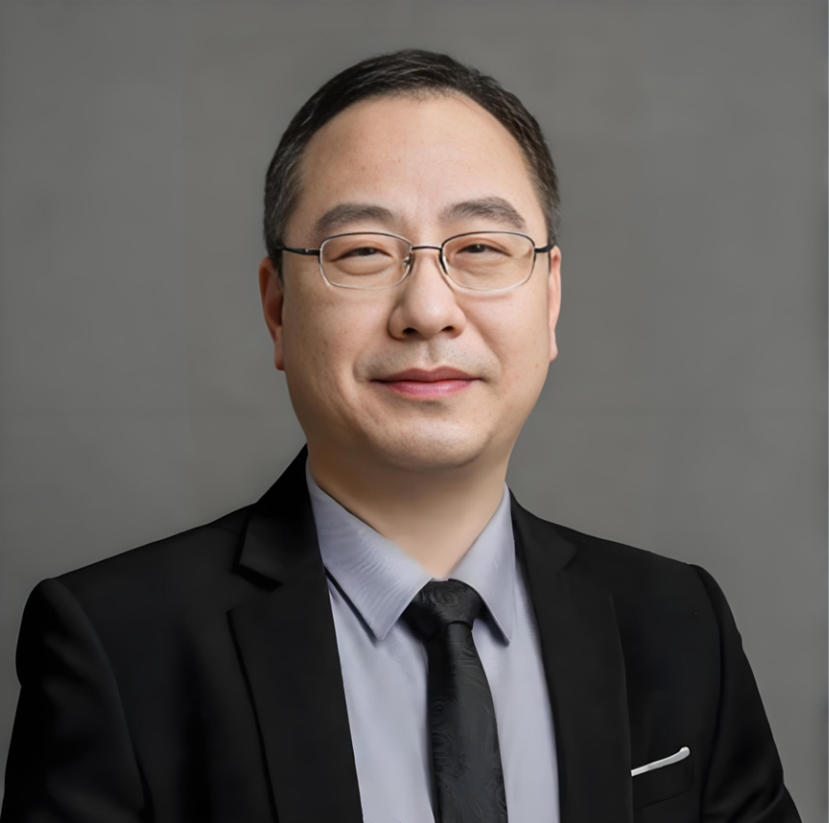
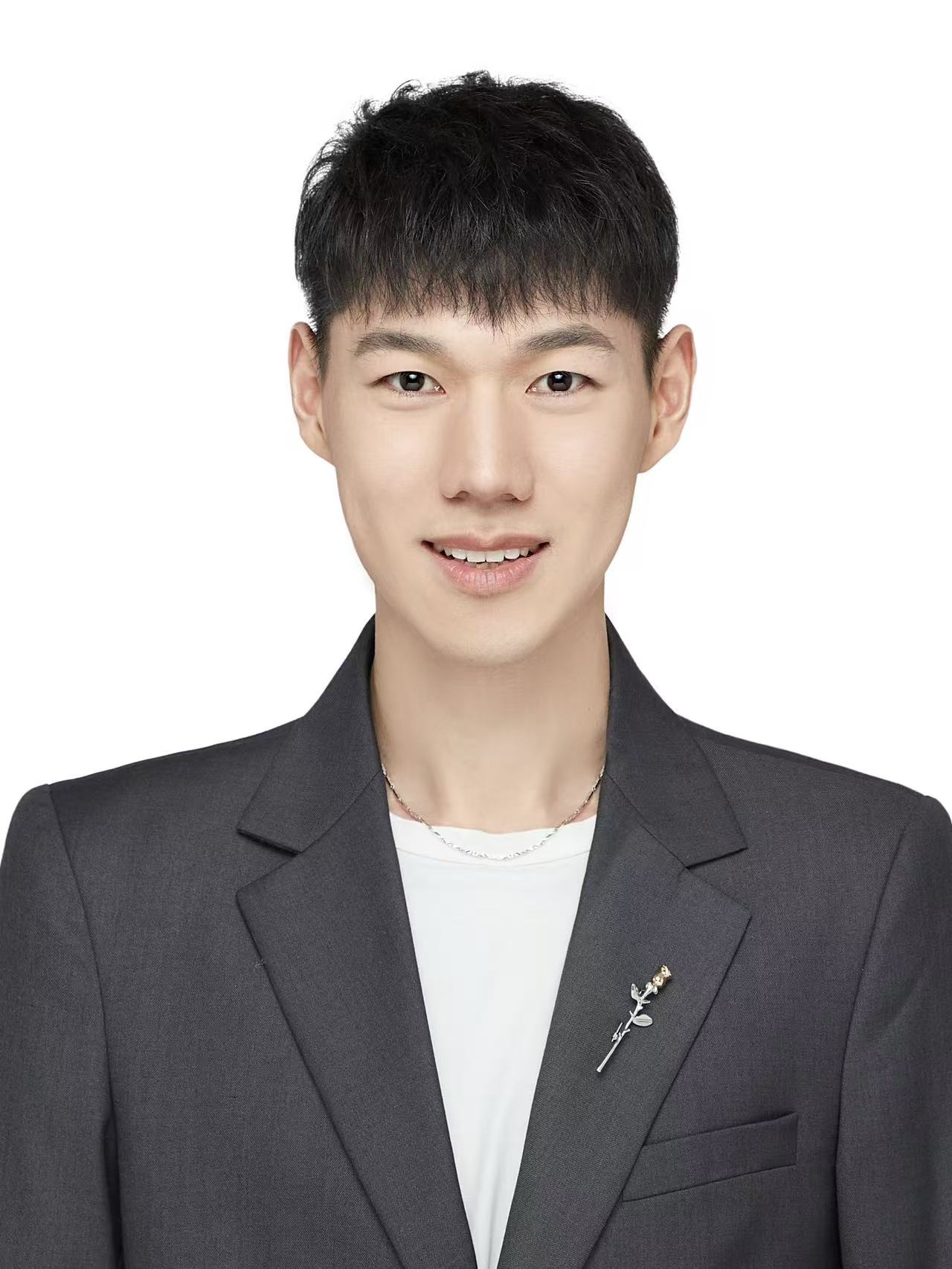
Professor Zhao Mingfeng Tianjin First Central Hospital Director, Department of Hematology Leader of Tianjin’s Key Discipline in Hematology MD, Chief Physician, Doctoral Supervisor (Nankai University; Tianjin Medical University)
Professional roles include:
- Member, Chinese Society of Hematology (Red Cell Group)
- Standing Member, Hematology Branch of Tianjin Medical Association
- National Member, Hematology Committee of the Chinese Association of Integrative Medicine; Vice-Chair of Tianjin Branch
- National Member, Hematology Physicians Association of China; Standing Member of Tianjin Branch
- Vice-Chair, Lymphoma Committee of Tianjin Anti-Cancer Association
- Numerous additional academic and clinical leadership positions
- Recipient of two Tianjin Science and Technology Progress Awards (first contributor)
- PI of over ten national and provincial key research projects
- More than 140 publications, including over 50 SCI papers in journals such as Blood, JHO, Leukemia, CCR, and Haematologica (total impact factor >400)
He specializes in the comprehensive management of hematologic malignancies, CAR-T therapy, and haploidentical hematopoietic stem cell transplantation.