Editor’s Note: As China’s flagship academic event in breast cancer at the start of each year, the Northern Breast Cancer Forum continues to bridge global scientific advances with localized clinical practice. From the SERENA-6 trial, which pioneers molecular monitoring for endocrine resistance, to the rapid rise of Trop-2–targeted ADCs and expanded access to PI3K/AKT/mTOR pathway inhibitors under national insurance coverage, the past year has witnessed profound shifts in breast cancer management.Looking ahead to the forthcoming 2026 CSCO Breast Cancer Guidelines, anticipated updates are expected in adjuvant treatment intensification, optimization of second-line advanced-stage therapy, and standardization of molecular testing, reinforcing a future driven by precision medicine and evidence-based care. In this issue, Oncology Frontier interviewed Professor Peng Yuan of the National Cancer Center / Cancer Hospital, Chinese Academy of Medical Sciences, who provides an in-depth analysis of the three defining themes of breast cancer systemic therapy in 2025: “New Concepts, New Targets, and New Evidence.”
Q1: What is the Unique Value of the Northern Breast Cancer Forum in Guiding Chinese Clinical Practice?
Professor Peng Yuan: The Northern Breast Cancer Forum plays a distinctive role as an annual academic anchor at the beginning of each year. Its core value lies in continuity and foresight.
First, it systematically synthesizes major global advances from the previous year—such as key findings from SABCS and other international conferences. Second, through expert voting and in-depth discussion, it integrates global evidence with Chinese clinical realities, forming expert consensus that directly informs updates to the CSCO Breast Cancer Guidelines.
In essence, the Forum serves two primary missions:
- Summarizing global scientific progress, and
- Providing evidence-based foundations for national guideline updates, thereby directly shaping clinical practice across China.
Q2: How Would You Summarize the Major Transformations in Breast Cancer Systemic Therapy in 2025?
Professor Peng Yuan: If I were to summarize the past year, three keywords stand out:
“New Concepts, New Targets, and New Evidence.”
New Concepts
Studies such as SERENA-6 have transformed treatment paradigms by shifting from imaging-based resistance detection to molecular surveillance, particularly ctDNA monitoring of ESR1 mutations. This enables earlier therapeutic intervention before clinical progression becomes evident.
New Targets
Beyond the expanding HER2-low concept, Trop-2 has emerged as a major therapeutic target. The approval and insurance inclusion of domestic ADCs—such as Sacituzumab-based SKB264—have dramatically improved drug accessibility and real-world clinical impact in China.
New Evidence
The PI3K/AKT/mTOR pathway has generated substantial high-quality evidence, with multiple targeted agents now supported by robust clinical trial data and expanded reimbursement coverage. These advances have significantly expanded physicians’ treatment options while improving patient access and outcomes.
Together, these developments have reshaped both clinical decision-making and patient-level care delivery.
Q3: What Are the Expected Key Updates in the 2026 CSCO Breast Cancer Guidelines?
Professor Peng Yuan: I anticipate major updates in both adjuvant and advanced-stage treatment sections.
Adjuvant Therapy
With new CDK4/6 inhibitors gaining broader insurance coverage and accumulating stronger evidence, their guideline recommendation level is likely to be upgraded, reinforcing their role in high-risk early-stage disease.
Advanced Disease
Ongoing progress in PI3K inhibitors, AKT inhibitors, and domestic PARP inhibitors (such as Fluzoparib)—including expanded indications and reimbursement access—will likely lead to higher guideline prioritization for these agents.
Precision Molecular Testing
A major forthcoming emphasis will be standardization of molecular diagnostics, including:
- NGS-based detection of ESR1 mutations
- PI3K-pathway mutation profiling
- Clearer guidance on when and how to implement molecular testing
These refinements will ensure that precision oncology is fully integrated into real-world clinical workflows, enabling more personalized, effective, and evidence-driven treatment strategies.
Expert Profile
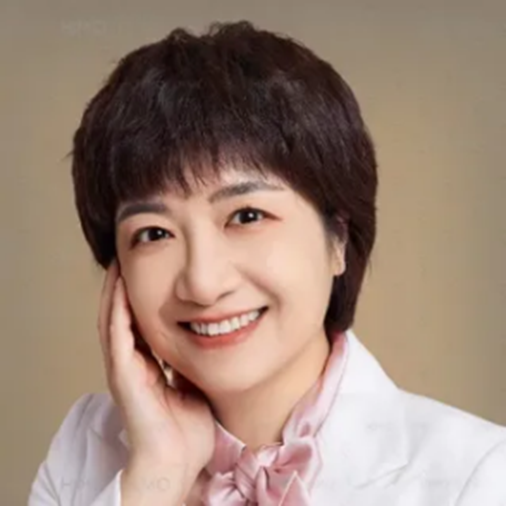
Professor Peng Yuan
National Cancer Center / Cancer Hospital, Chinese Academy of Medical Sciences A leading authority in breast cancer systemic therapy, specializing in precision oncology, endocrine resistance, ADC development, and guideline-driven clinical strategy.