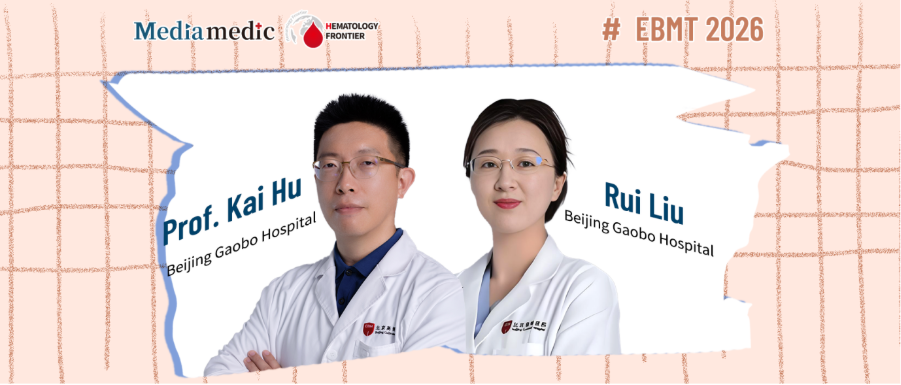
The 52nd EBMT Annual Meeting will be held in Madrid, Spain, from March 22 to 25, 2026. As one of the most prominent international meetings in hematology, EBMT gathers experts worldwide to discuss cutting-edge advances in hematopoietic stem cell transplantation and cellular therapies, fostering innovation in clinical practice and advancing the field. At this year’s meeting, eight studies from the team led by Prof. Kai Hu at Beijing Gaobo Hospital were selected. This report presents the oral presentation by Dr. Rui Liu entitled “Autologous Hematopoietic Stem Cell Transplantation Combined with CAR-T Cell Therapy Significantly Improves Progression-Free Survival in Relapsed/Refractory Central Nervous System Lymphoma.”
Abstract Information
Abstract No.: OS02-03 Title: Autologous Hematopoietic Stem Cell Transplantation Combined with CAR-T Cell Therapy Significantly Improves Progression-Free Survival in Relapsed/Refractory Central Nervous System Lymphoma First Author: Rui Liu Corresponding Author: Kai Hu Institution: Beijing Gaobo Hospital
Background
Relapsed or refractory central nervous system lymphoma (R/R CNSL) remains highly challenging to manage in clinical practice. CAR-T therapy has demonstrated efficacy in relapsed or refractory large B-cell lymphoma, and emerging evidence suggests promising response rates in R/R CNSL as well. However, disease control and long-term outcomes remain suboptimal.
This study aimed to evaluate the efficacy of CAR-T therapy in R/R CNSL and to identify factors associated with long-term survival. In addition, the safety and effectiveness of combining autologous stem cell transplantation (ASCT) with CAR-T therapy were explored.
Methods
This retrospective study included 153 patients with relapsed or refractory central nervous system lymphoma who received CAR-T therapy at Beijing Gaobo Hospital between September 2019 and September 2025.
Among these patients, 51% were male, and the median age was 56 years (range, 19–79). Primary CNS lymphoma (PCNSL) accounted for 53% (81/153), while secondary CNS lymphoma (SCNSL) accounted for 47% (72/153). Among SCNSL cases, the most common histology was diffuse large B-cell lymphoma (DLBCL, n = 55), followed by high-grade B-cell lymphoma (HGBL, n = 5) and primary mediastinal B-cell lymphoma (PMBL, n = 3), among others.
A total of 83 patients had received ≥3 prior lines of therapy. Based on IELSG (for PCNSL) or IPI (for SCNSL) risk stratification, 27% were classified as low risk, 59% as intermediate risk, and 14% as high risk.
Most patients were resistant to high-dose methotrexate (HD-MTX) (85%), and 58% had received methotrexate within 6 months prior to CAR-T therapy. Resistance to BTK inhibitors was observed in 64% of patients, and 18% had experienced prior ASCT failure.
Regarding disease involvement, 74% had parenchymal brain involvement, 8% had cerebrospinal fluid involvement, and 18% had both.
Patients received a median of 2 cycles of bridging therapy (range, 0–5), with an objective response rate (ORR) of 71% (84 complete responses and 24 partial responses). Based on bridging response, patients were categorized into a bridging-effective group (BE; CR/PR) and a bridging-ineffective group (BI; SD/PD). Among patients in the BE group, 49% (53/108) subsequently received ASCT combined with CAR-T therapy.
Results
At 3 months, the overall response rate was 79% (121/153), and the complete response rate was 69% (106/153).
The incidence of any-grade cytokine release syndrome (CRS) and immune effector cell-associated neurotoxicity syndrome (ICANS) was 69% (105/153) and 14% (21/153), respectively. Severe (grade ≥3) CRS and ICANS occurred in 6% (6/105) and 24% (5/21) of cases, respectively.
Patients in the BE group achieved significantly better responses at 3 months compared with the BI group, with ORR of 91% versus 56% and CRR of 87% versus 33%.
With a median follow-up of 26 months, survival outcomes differed markedly between the two groups. The median progression-free survival (PFS) in the BE group was 49 months, compared with 6 months in the BI group (P < 0.0001). Median overall survival (OS) was not reached in the BE group, whereas it was 13 months in the BI group (P < 0.0001).
The 1-year OS rates were 93% in the BE group and 57% in the BI group (P < 0.01), while 1-year PFS rates were 75% and 27%, respectively (P < 0.01). At 2 years, OS rates were 78.5% versus 29% (P < 0.01), and PFS rates were 67% versus 14% (P < 0.01).
Among the 108 patients in the BE group, those who received ASCT combined with CAR-T therapy had significantly longer median PFS compared with those who did not (57.11 months vs. 27.35 months, P = 0.001). Median OS was not reached in either group (P = 0.053). No statistically significant differences were observed in the incidence of CRS or ICANS between the two groups.
Conclusion
Effective bridging therapy significantly enhances the efficacy of CAR-T treatment in patients with relapsed or refractory CNS lymphoma. In patients who respond to bridging therapy, the addition of ASCT to CAR-T further prolongs progression-free survival.
Expert Profiles
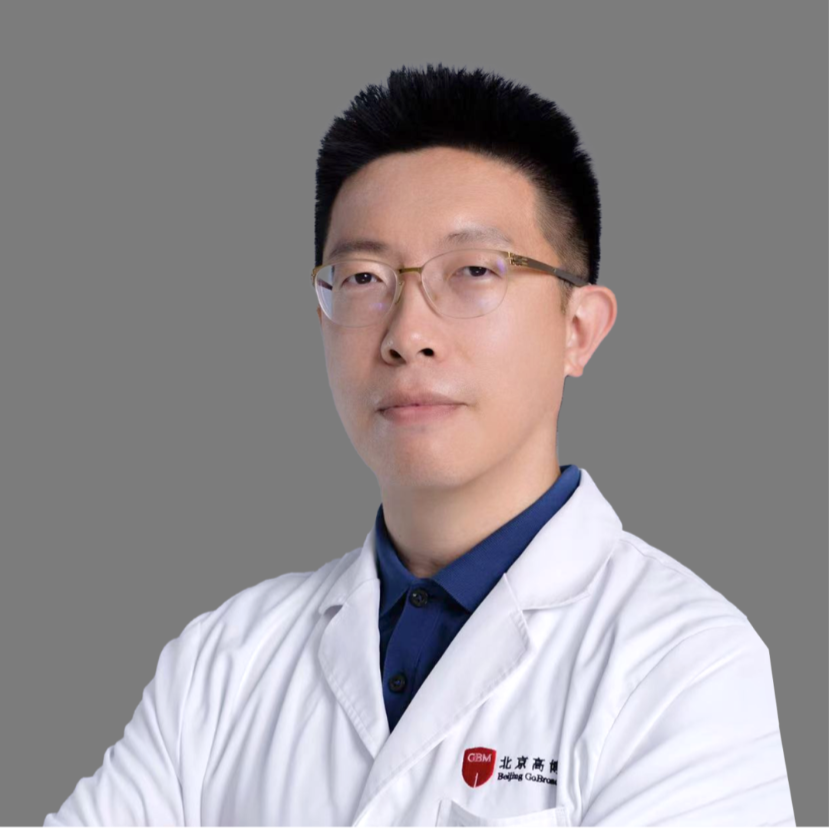
Kai Hu, MD, PhD Director of the Lymphoma and Myeloma Department, Beijing Gaobo Hospital
Prof. Hu has over 20 years of experience in hematologic oncology. His work focuses on the standardized management of hematologic malignancies, including leukemia, lymphoma, and multiple myeloma, with particular expertise in immunotherapy such as CAR-T, antibody-based therapies, and targeted treatments. He has extensive experience in integrating cellular therapy, transplantation, and targeted approaches, and has led numerous clinical trials with international recognition.
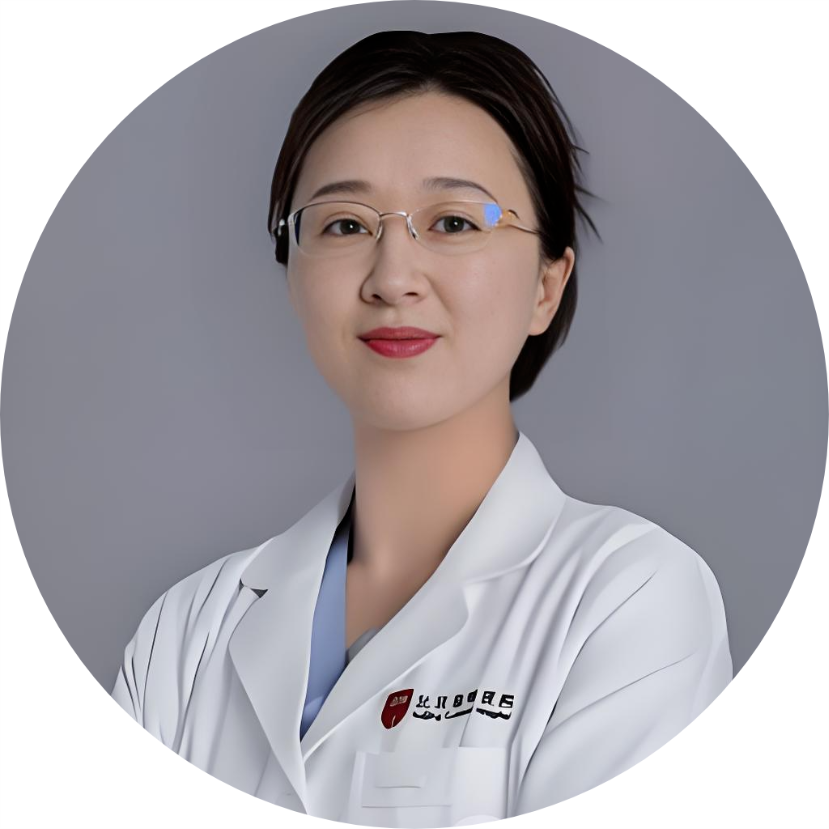
Rui Liu Research Assistant, Lymphoma and Myeloma Department, Beijing Gaobo Hospital
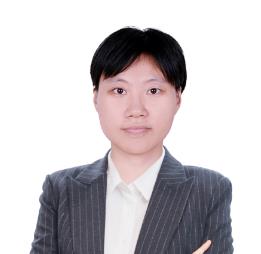
Rui Liu graduated from Shanxi University of Traditional Chinese Medicine with a major in pharmaceutical sciences. She is primarily engaged in research support in lymphoma and myeloma, with strengths in medical data management, scientific writing, and research coordination.
She has participated in multiple international academic exchanges, with 12 research presentations delivered at major conferences including ASH, EHA, and EBMT. She has co-authored 11 SCI-indexed publications, including 2 as first author.