At the 52nd Annual Meeting of the European Society for Blood and Marrow Transplantation (EBMT 2026), held in Madrid, “Cell Therapy Day” emerged as one of the most prominent highlights of the congress. The session brought together leading experts from China, the United States, Germany, and other countries, who shared cutting-edge advances and forward-looking perspectives in cellular immunotherapy. The discussions reflected the rapid and diverse global evolution of this transformative field. During the session, Professor Heng Mei from Union Hospital, Tongji Medical College, Huazhong University of Science and Technology, presented a study titled “In vivo B-cell maturation antigen CAR-T-cell therapy for relapsed or refractory multiple myeloma.” His work highlights China’s growing contribution to innovative translational therapies, while international teams showcased progress in core technologies and expanded applications across diseases.
Hematology Frontier invited Professor Heng Mei to provide a comprehensive overview of the session, focusing on three key themes: clinical exploration of in vivo CAR-T therapy, emerging technological innovations, and the expanding therapeutic landscape of CAR-T.
Global Perspectives: Rapid Progress Across Regions
The “Cell Therapy Day” session was co-chaired by Professor Jurgen Kuball from the University Medical Center Utrecht in the Netherlands and Professor Ana Alarcón Tomás from Puerta de Hierro University Hospital in Spain. Experts from multiple countries presented their latest findings, illustrating the dynamic and rapidly advancing nature of cellular therapy worldwide.
China’s contributions stood out particularly in the field of in vivo CAR-T therapy for multiple myeloma. Meanwhile, Professor Dimitrios Laurin Wagner from Houston presented innovations in gene-edited universal CAR-T technologies, and Professor Fabian Müller from Erlangen shared clinical advances in CAR-T therapy. Together, these presentations highlighted both the diversity of research approaches and the shared global momentum driving this field forward.
China’s Contribution: In Vivo CAR-T Therapy for Multiple Myeloma
Professor Heng Mei: At this meeting, I presented our clinical study on a novel in vivo CAR-T therapy (ESO-T01) for patients with relapsed or refractory multiple myeloma.
A total of four patients were enrolled. Two achieved stringent complete response (sCR), with complete disappearance of all detectable lesions, including refractory extramedullary disease. The remaining two patients achieved partial response. With follow-up now exceeding one year, one patient continues to maintain sCR. These findings provide important preliminary evidence supporting the potential for durable responses with in vivo CAR-T therapy.
Despite these encouraging results, disease progression occurred in three patients at different time points. This may be related to baseline characteristics, as many enrolled patients had high-risk features such as extramedullary disease, bulky tumors, or heavy pretreatment. Nonetheless, the experience gained—particularly from the patient achieving sustained sCR—offers valuable insights for optimizing patient selection and long-term follow-up strategies in future studies.
Overall, our findings support the feasibility of the in vivo CAR-T concept. However, several challenges remain before this approach can be widely adopted. These include identifying the optimal patient population, improving transduction specificity, reducing immunogenicity, and establishing long-term safety and efficacy.
From a safety perspective, we observed that some patients developed acute inflammatory reactions following delivery via virus-like particle (VLP) vectors. These reactions were characterized by high fever, hypotension, and, in some cases, altered consciousness. We define this as vector-induced toxicity, which can be life-threatening. As clinician-scientists, it is essential to better understand these mechanisms and refine the therapy to mitigate such risks.
Long-term safety is equally critical. This includes monitoring for acute toxicities, potential organ damage, and risks associated with genomic integration. In patients with sustained remission, long-term monitoring has so far revealed no CAR-T–related toxicities other than persistent hypogammaglobulinemia, providing early reassurance regarding long-term safety.
We are currently optimizing vector design to reduce immunogenicity and mitigate inflammatory responses, with early improvements already observed. Dose optimization remains another major challenge. Notably, our dosing strategies differ from those reported by international groups, underscoring the importance of carefully translating preclinical findings into appropriate clinical dosing.
International Advances: Emerging Technologies and Expanding Applications
At the meeting, Professor Dimitrios Laurin Wagner presented next-generation gene-editing technology based on base editors. Unlike conventional CRISPR approaches, which rely on gene knockout or insertion and may introduce double-strand DNA breaks with potential oncogenic risks, base editing enables more precise and safer genetic modifications without inducing double-strand breaks.
This technology has already been successfully applied to engineer CD3-targeted CAR-T cells. In the future, integrating base editing with universal CAR-T platforms may enable further advancements in in situ gene-editing therapies. However, improving transfection and editing efficiency remains a key challenge for clinical translation.
Professor Fabian Müller from the University Hospital Erlangen presented a series of important clinical studies in CAR-T therapy for both hematologic malignancies and autoimmune diseases. Notably, his previous work published in Blood systematically compared complication risks across different CAR-T therapies, attracting significant clinical attention.
In this session, he provided a comprehensive comparison of safety profiles between CAR-T applications in hematologic malignancies and autoimmune diseases. While CAR-T therapy demonstrates relatively favorable safety in hematologic cancers, its use in autoimmune diseases presents additional challenges, including optimal target selection, toxicity management, and prevention of cytokine release syndrome (CRS).
These findings highlight the need for continued global collaboration among clinicians and researchers to improve the safety, efficacy, and accessibility of cellular therapies, ultimately benefiting a broader patient population.
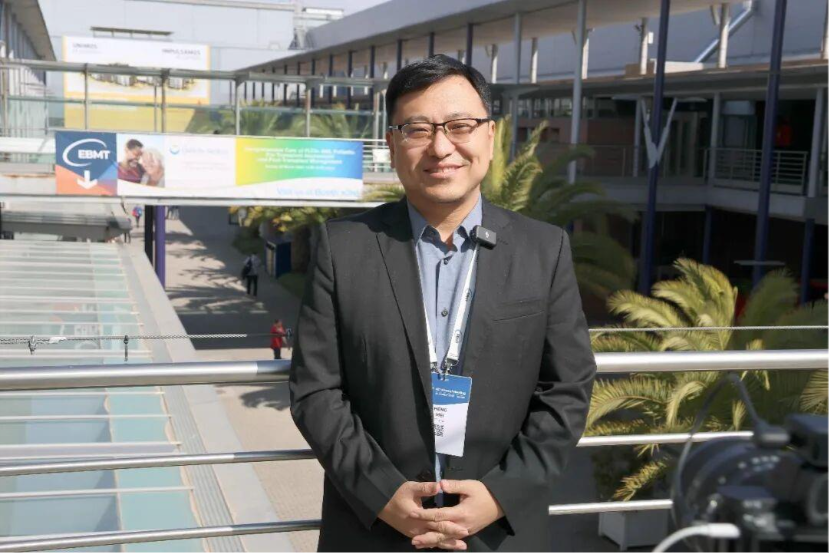
Expert Profile
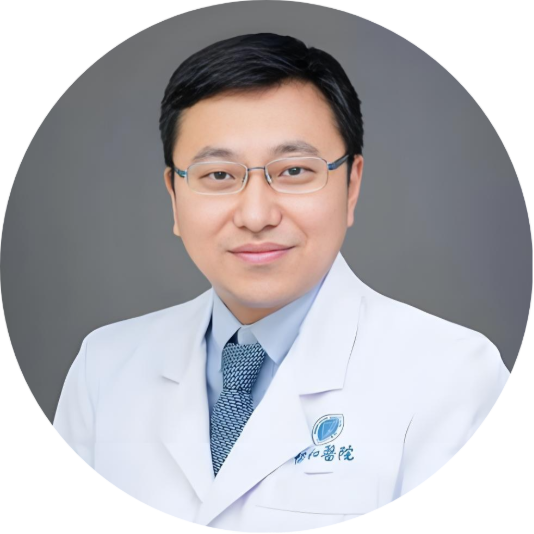
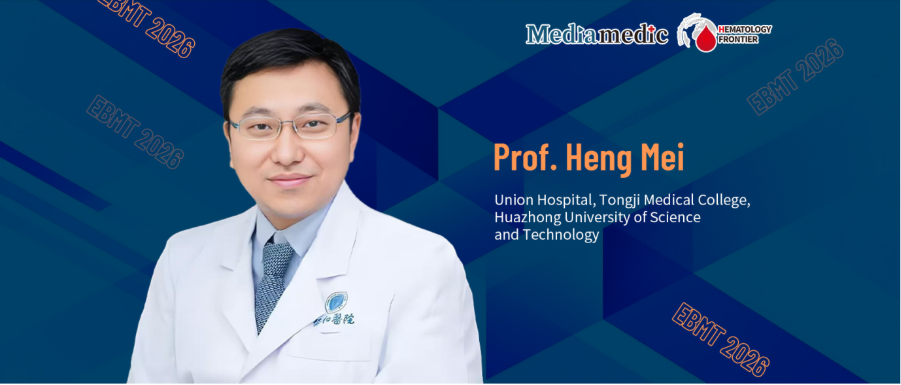
Professor Heng Mei Union Hospital, Tongji Medical College, Huazhong University of Science and Technology
Professor Mei is a Chief Physician and National Distinguished Young Scholar. He serves as Director of the Department of Hematology and the Stem Cell Center at Union Hospital, as well as Director of the Hubei Provincial Clinical Medical Center for Cellular Therapy of Tumors.
He is a member and Secretary-General of the Chinese Society of Hematology, Vice Chairman of the Cellular Therapy Committee of the Chinese Research Hospital Association, and Vice Chairman of the Leukemia Committee of the Chinese Society of Clinical Oncology. He also serves as Associate Editor of the British Journal of Haematology.
Professor Mei has led more than ten major national research projects and has published over 70 SCI-indexed papers as first or corresponding author. He holds 16 invention patents and has contributed to key academic texts in CAR-T therapy. His honors include the Chinese Medical Association Young Scientist Award, the National Science and Technology Progress Award (Second Prize), and multiple provincial-level first prizes.