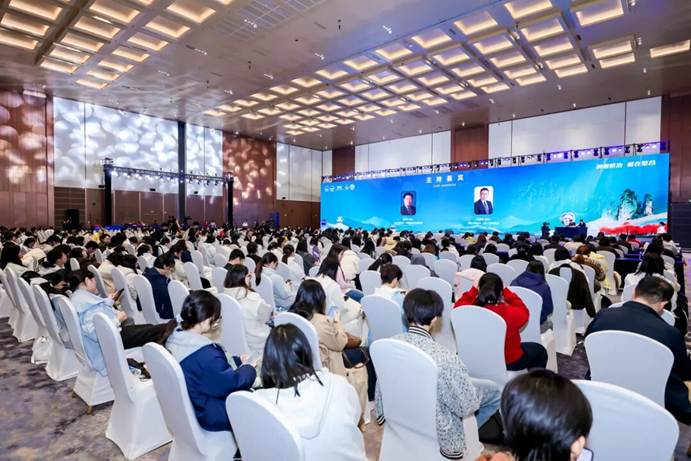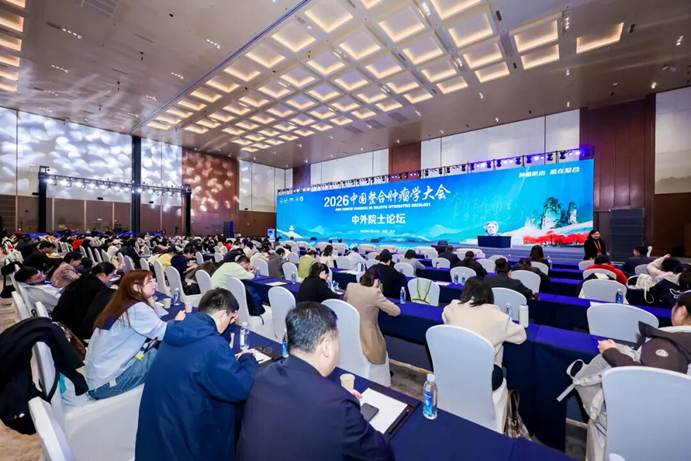

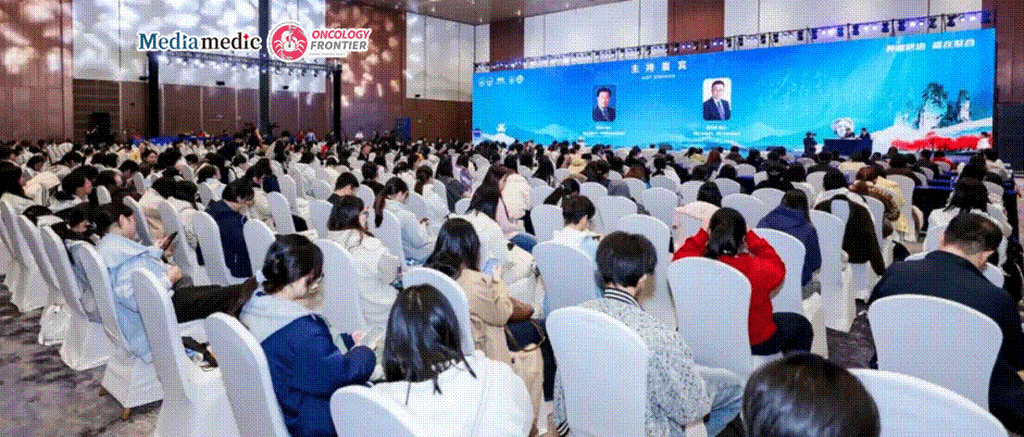
As autumn deepens, the forests of Yuelu Mountain are painted in vibrant colors, while the Xiangjiang River flows beneath a clear autumn sky. The International Academicians’ Forum at the 2026 Chinese Congress on Holistic Integrative Oncology (CCHIO) was grandly held in Changsha, bringing together 14 academicians from China, the Netherlands, Brazil, Canada, and other countries. They engaged in in-depth discussions on cutting-edge topics, including early cancer detection technologies, the spatial ecology of the tumor microenvironment, multi-omics-based diagnosis and treatment, international guideline development, collaborative drug discovery, and precision prevention throughout the entire cancer care continuum.The forum was divided into three sessions, covering multiple dimensions of cancer research and clinical practice, including liquid biopsy, spatial multi-omics, nucleic acid aptamers, gene editing, functional genomics, epigenetics, and lineage plasticity. It showcased the growing vitality and broad prospects of integrative oncology as a multidisciplinary and international field.
Session I
Innovations in Early Cancer Detection and Spatial Analysis of the Tumor Microenvironment
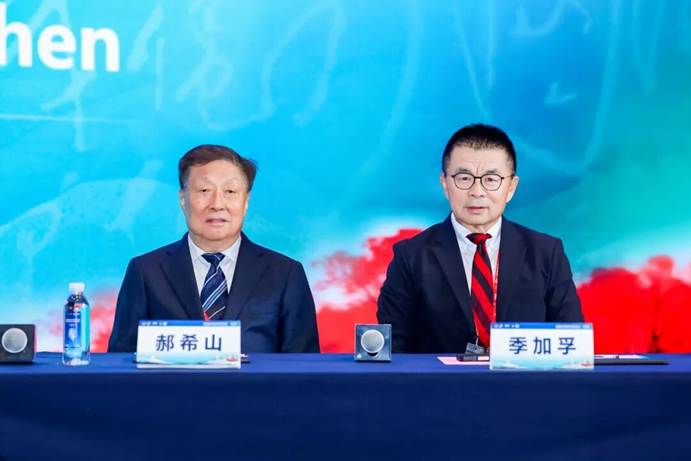
This session was co-chaired by Academician Xishan Hao, Member of the Chinese Academy of Engineering and Honorary President of the Chinese Anti-Cancer Association, and Academician Jiafu Ji, Member of the Chinese Academy of Engineering and President of Peking University Cancer Hospital. The two academician speakers explored new approaches to precision cancer prevention and treatment, focusing on population-based early cancer screening technologies and the spatial ecological evolution of tumors.
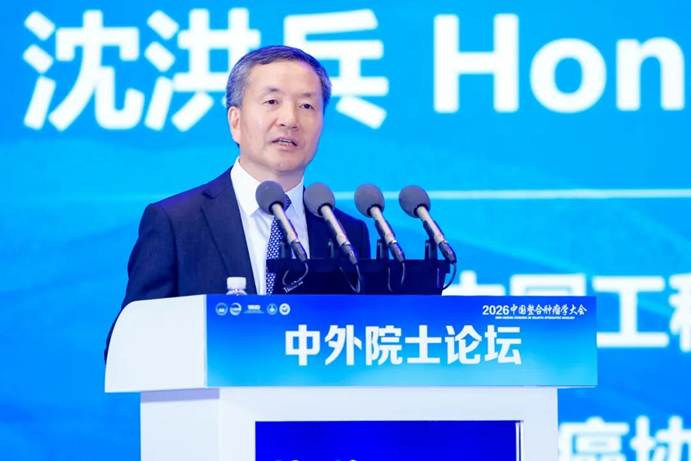
Academician Hongbing Shen, Member of the Chinese Academy of Engineering and Vice President of the Chinese Anti-Cancer Association, reviewed the progress, challenges, and future prospects of multi-cancer early detection (MCED) through liquid biopsy. He noted that conventional screening methods cover only a limited number of cancer types and often suffer from poor patient adherence. By detecting mutations, methylation patterns, and fragmentomic features in circulating cell-free DNA (cfDNA) and circulating tumor DNA (ctDNA) in blood samples, liquid biopsy offers a non-invasive approach to early detection of multiple cancers and tissue-of-origin identification.
Drawing on findings from several large-scale cohort studies in China and internationally, he explained that current technologies have achieved a specificity of over 98% and relatively good tissue-of-origin identification. However, overall sensitivity remains limited, at only 30.7%–53%, with even lower detection rates for early-stage tumors and precancerous lesions. Whether these technologies can reduce cancer mortality still requires long-term follow-up.
He emphasized that liquid biopsy cannot yet replace conventional screening methods. Looking ahead, its performance could be enhanced through integration with imaging, health data, and artificial intelligence (AI), alongside the development of standardized clinical evaluation systems.
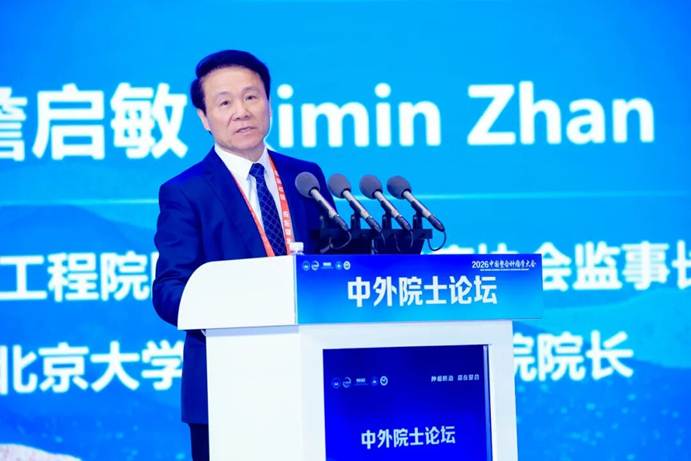
Academician Qimin Zhan, Member of the Chinese Academy of Engineering and Chairman of the Supervisory Board of the Chinese Anti-Cancer Association, presented a series of breakthroughs achieved by his team in understanding molecular alterations and microenvironmental remodeling in esophageal squamous cell carcinoma (ESCC). To address the challenges of poor survival outcomes in esophageal cancer and the limited benefits of chemo-immunotherapy combinations, the team pioneered the development of an ESCC genomic atlas, established four molecular subtypes, conducted precision intervention trials, and applied artificial intelligence (AI) to map pathological images to multi-omics features.
He proposed that tumors are complex systems in which heterogeneous subpopulations and the tumor microenvironment co-evolve, with critical “breakthrough points” emerging during carcinogenesis. Through spatial multi-omics analysis, the team found that, beyond the maturity of tertiary lymphoid structures (TLSs), the MIMER spatial module serves as a central hub of immunosuppression and treatment resistance. The spatial heterogeneity of the tumor microenvironment, he emphasized, has a far greater impact on immunotherapeutic efficacy than cell abundance alone.
Session II
Advances in Multi-Omics, International Guideline Development, and Drug Discovery
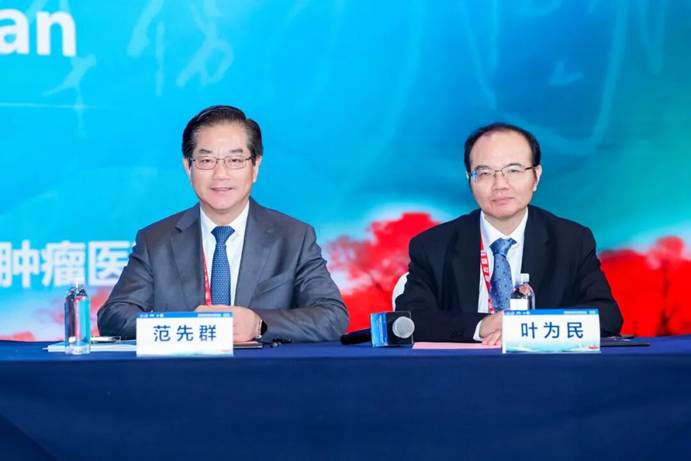
Co-chaired by Academician Xianqun Fan, Member of the Chinese Academy of Engineering and Vice President of the Chinese Anti-Cancer Association, and Academician Weimin Ye, Member of the European Academy of Sciences and affiliated with Fujian Medical University, this session featured three academician speakers who shared their original translational research achievements in cutting-edge multi-omics sequencing technologies, the development of international clinical guidelines, and genome-engineering-based drug discovery.
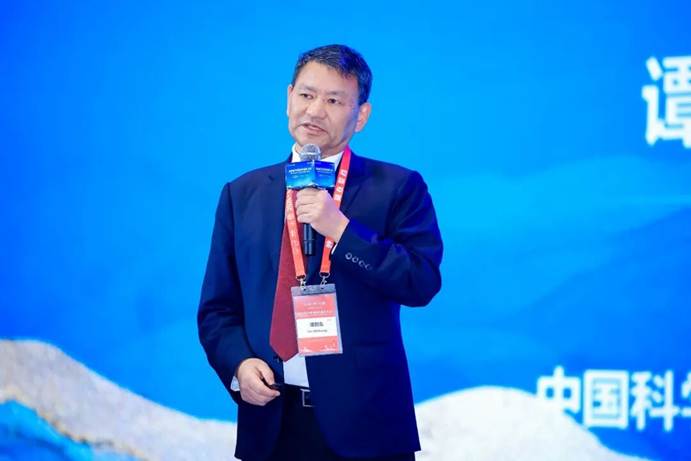
Academician Weihong Tan, Member of the Chinese Academy of Sciences, Zhejiang Cancer Hospital, and Hangzhou Institute of Medicine, Chinese Academy of Sciences, outlined an innovative approach to advancing multi-omics in life sciences and healthcare through “aptomics,” or nucleic acid aptamer-based omics. To address the limitations of second-generation sequencing, which can detect nucleic acids but is less capable of characterizing protein and glycan targets, his team has adopted nucleic acid aptamers as recognition tools and developed the SPARK-seq technology. This enables the simultaneous analysis of cellular mRNA, membrane proteins, and glycans, facilitating the digital characterization of peripheral blood immunity.
In translational research, the team established an HIM protein-based molecular classification system for triple-negative breast cancer (TNBC), dividing patients into three subtypes: Hot, Medium, and Ice. A nationwide multicenter clinical trial evaluating subtype-based classification and treatment is currently underway, with encouraging preliminary efficacy results.
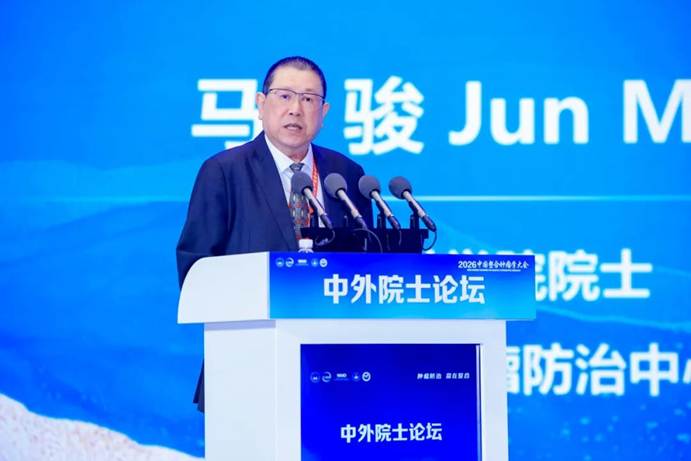
Academician Jun Ma, Member of the Chinese Academy of Sciences and Sun Yat-sen University Cancer Center, shared China’s experience in nasopharyngeal carcinoma (NPC) diagnosis and treatment and how it has been translated into international clinical guidelines.
Drawing on large-scale magnetic resonance imaging datasets, his team elucidated the patterns of local tumor invasion and the stepwise progression of cervical lymph node metastases. The team demonstrated that reducing radiotherapy target volumes could lower treatment-related toxicities without compromising efficacy. Based on these findings, they took the lead in developing guidelines and standardized atlases for radiotherapy target delineation, which were subsequently included and disseminated by the American Society for Radiation Oncology (ASTRO).
For patients with distant metastases, multiple randomized studies validated the survival benefits of induction chemotherapy and metronomic adjuvant chemotherapy. These advances also helped increase the five-year survival rate of patients with nasopharyngeal carcinoma at the center to 86%.
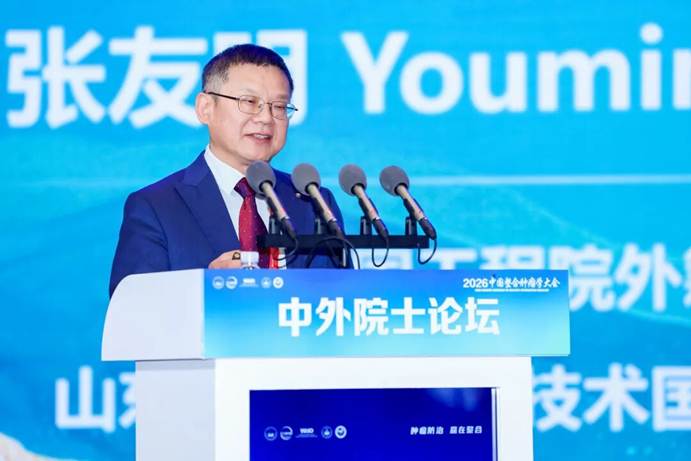
Academician Youming Zhang, Foreign Member of the Chinese Academy of Engineering and affiliated with the State Key Laboratory of Microbial Technology at Shandong University, reported on the diverse applications of genome engineering technologies in the development of anti-cancer drugs. He introduced the independently developed Red/ET recombineering technology, which uses phage-derived recombinases to enable precise editing of large DNA fragments. Combined with CRISPR-Cas9, this technology further improves editing efficiency and facilitates the development of fully humanized immune system mice and humanized large-animal models.
To overcome the limitations of the histone deacetylase (HDAC) inhibitor romidepsin, the team employed cross-strain gene cluster replacement and multi-module recombination to generate derivatives with improved activity. Mechanistic studies showed that FK228 can reprogram the tumor microenvironment, transforming “cold tumors” into “hot tumors.” Research is now underway to advance its co-delivery with a PD-L1 antibody using a nanotechnology-based platform.
Session III
Functional Genomics Screening, Epigenetic Regulation, and Evolutionary Targeting Strategies
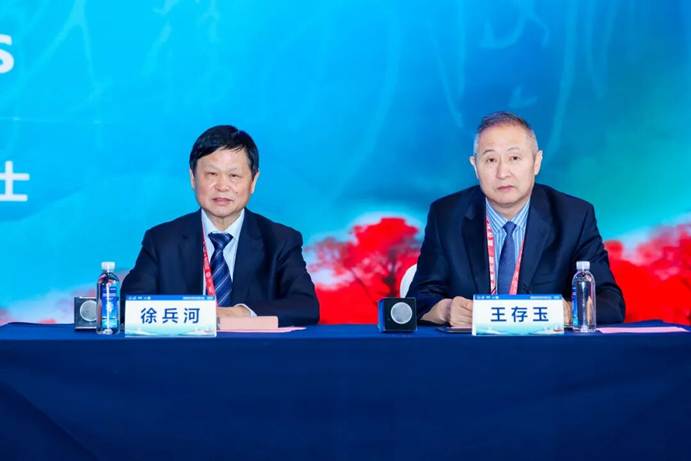
Co-chaired by Academician Binghe Xu, Member of the Chinese Academy of Engineering and the National Cancer Center/Cancer Hospital, Chinese Academy of Medical Sciences, and Academician Cun-Yu Wang, Foreign Member of the Chinese Academy of Engineering, Member of the U.S. National Academy of Medicine, and affiliated with the Peking University Institute of Advanced Clinical Medicine, this session featured three academicians from overseas and North American institutions. They explored combination therapy screening, precision prevention across the entire life course, and therapeutic strategies targeting tumor lineage plasticity.
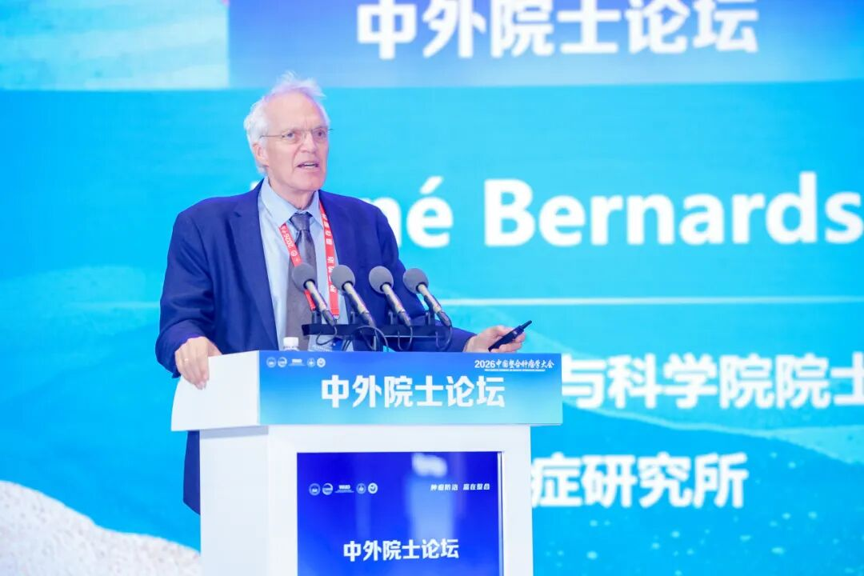
**Academician René Bernards, Member of the Royal Netherlands Academy of Arts and Sciences and affiliated with the Netherlands Cancer Institute**, outlined a functional genomics-based strategy for identifying highly effective anti-cancer combination therapies. Given the vast number of potential drug combinations, he proposed using genetic screening to identify synthetic lethal interactions between drugs.
His team used an shRNA library screen to demonstrate synthetic lethality between EGFR and BRAF inhibition, helping pave the way for the approval of the BEACON study in BRAF-mutant colorectal cancer. In collaboration with Chinese research teams, he subsequently used CRISPR screening to identify synergistic effects between EGFR inhibitors and lenvatinib in liver cancer. The team also discovered an in vivo synthetic lethal interaction between Aurora kinase A and lenvatinib. An early-phase trial of the combination of their inhibitors achieved an objective response rate of 58%.
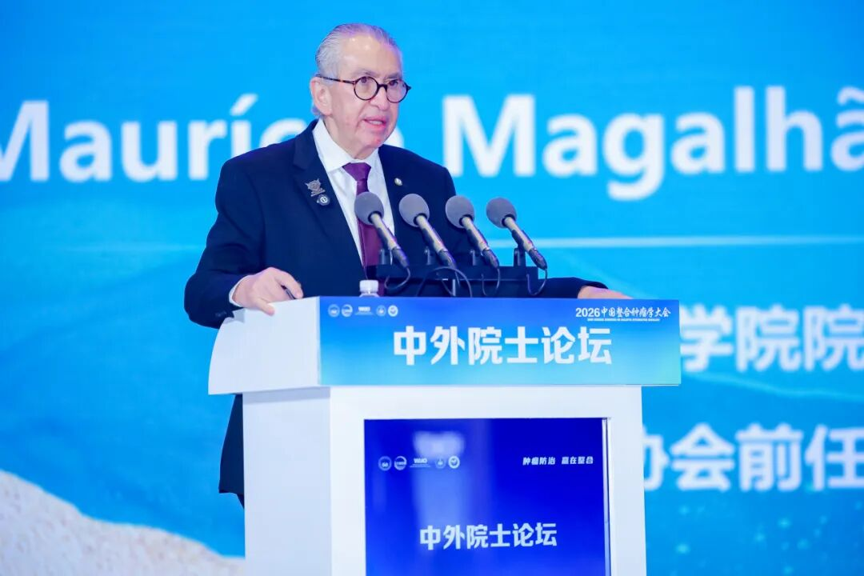
Academician Maurício Magalhães Costa, Member of the Brazilian Academy of Medicine and Former President of the International Breast Cancer Association, examined the profound impact of epigenetic reprogramming throughout a woman’s life on longevity and cancer prevention. He proposed that genetic factors account for only approximately 20% of health outcomes, while the epigenome, shaped by mechanisms such as DNA methylation and histone modifications, can dynamically respond to environmental changes.
Modern lifestyles have substantially increased the number of ovulatory cycles women experience. Combined with circadian rhythm disruption, stress, endocrine-disrupting chemicals, and other factors, this may accelerate epigenetic aging after menopause. Cohort studies have shown that accelerated epigenetic aging is associated with increased risks of breast cancer incidence and mortality. Given the reversible nature of epigenetic modifications, integrating epigenetic clocks, multi-omics, and artificial intelligence (AI) may offer new opportunities for precise, proactive cancer prevention.
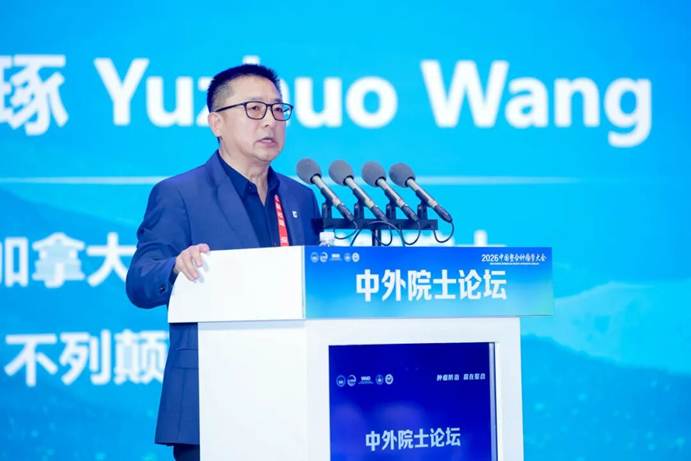
Academician Yuzhuo Wang, Member of the Canadian Academy of Health Sciences and the University of British Columbia, presented the latest advances in modeling the evolution of neuroendocrine prostate cancer (NEPC) and identifying its therapeutic vulnerabilities. Radiotherapy and androgen receptor pathway inhibitors (ARPIs) can induce lineage plasticity, contributing to an increase in the proportion of NEPC, for which no effective treatment is currently available, from approximately 1% to 15%–20%. Identifying opportunities for early intervention has therefore become an urgent priority.
His team developed humanized animal models that recapitulate the three-step progression from adenocarcinoma to neuroendocrine carcinoma following treatment: “dedifferentiation–survival–redifferentiation.” The research revealed that HP1α and H3K9 modifications act synergistically to suppress AR and REST, while PROX1 is upregulated when AR is suppressed, driving the transformation. These findings offer potential therapeutic targets for blocking lineage transition.
The International Academicians’ Forum offered a broad vision and profound insights, vividly highlighting the paradigm shifts taking place in contemporary oncology: from direct tumor killing to remodeling the tumor microenvironment; from empirical trial and error to rational combination strategies; and from passive treatment to proactive prevention throughout the entire life course.
The participating academicians jointly emphasized that future cancer prevention and treatment efforts should be grounded in unresolved clinical challenges, deepen the integration of basic research, artificial intelligence, and multi-omics technologies, and strengthen global multicenter collaboration and mutual recognition of standards. These efforts will provide sustained momentum toward improving long-term survival and overall well-being for patients with cancer.