Basic stem cell research, regenerative medicine, cell therapy, and the clinical application of research guidelines are among the most closely watched frontiers in hematology and translational medicine worldwide. With these topics at its core, The 10th International Forum on Stem Cells (IFSC) brought together leading experts and scholars from around the world to explore scientific discoveries and technological innovations, showcase the latest advances in basic, clinical, and translational hematopoietic stem cell research, and promote collaborative innovation across the global stem cell field. During the conference, Oncology Frontier – Hematology Frontier invited Professor Abdullah Khan to share his latest research findings and academic insights on “Human Bone Marrow Organoids: A New Experimental Platform for Precision Development in Hematologic Malignancies.” The key points are presented below for our readers.Oncology Frontier – Hematology Frontier: You developed the world’s first human bone marrow organoid model, which not only supports the survival of multiple myeloma cells but also recapitulates the myelofibrosis microenvironment. Compared with traditional mouse models, what is the most important advantage of this human-based model system for drug screening and personalized treatment testing in hematologic malignancies?
Professor Abdullah Khan: I think the first major advantage is that it allows us to work with primary patient samples across cohorts in a scalable and reproducible manner. This was not something we had been able to achieve in previous research, particularly in multiple myeloma, where certain targeted agents are only effective against cells that are actively cycling. This means that the cells need to be capable of expanding. Being able to reliably generate patient-relevant data in vitro, and do so at scale, is therefore extremely valuable from a methodological perspective.
Second, this model takes us at least one step closer to investigating scientific questions within the context of the microenvironment, or niche. We know that the bone marrow niche contributes to key phenomena such as disease relapse and clonal expansion. Testing therapeutic efficacy within the microenvironment in which the disease actually operates may therefore provide more clinically meaningful preclinical data.
Of course, mouse models still offer specific advantages in this context. I see this model as another tool in the preclinical research toolbox, allowing us to investigate scientific questions in a way that we believe is somewhat more physiologically relevant.
Oncology Frontier – Hematology Frontier: What are the current limitations of organoid technology in recapitulating the patient’s actual bone marrow microenvironment, including immune cell interactions and hypoxic conditions? Over the next few years, could this technology replace some animal experiments and become a routine option for preclinical research in pharmaceutical companies?
Professor Abdullah Khan: I think there are two major limitations that our team is currently focusing on.
The first is the adaptive immune compartment. Although our model captures the myeloid lineage quite well, specific cell populations, particularly T cells, are important components of the human microenvironment. This is especially relevant given the emergence of so many T-cell engagers. T cells are therefore an important part of the microenvironment that we are trying to recapitulate, but incorporating them is no easy task.
We are currently using several different strategies to mature cord blood-derived T-cell progenitors. Our goal is to develop a system that captures the truly essential features of T-cell biology, including T-cell receptor (TCR) diversity and repertoire. This is a challenging undertaking, and a substantial part of our team’s efforts is dedicated to it.
The second major limitation is the lack of a perfusable vascular system. At present, the vascular networks develop into elaborate structures with interconnected, lumen-forming vessels, but they are not open and cannot be actively perfused. I believe that reliable cell engraftment requires cells to flow through the vessels and interact with the entire system. This is particularly important for vascular development, and numerous studies in the field have demonstrated that different vascular subtypes are essential for maintaining different aspects of hematopoiesis.
Our working hypothesis is that genuine vascular network maturation and long-term maintenance cannot be achieved without active perfusion. These are the two major limitations we are working to overcome, and we have made progress in both areas, albeit incrementally.
Regarding pharmaceutical applications, there is considerable demand from pharmaceutical companies for in vitro models. However, like those of us in academia, they do not yet fully understand how well these systems translate into clinical settings. This is an important time for the field to engage in extensive discussions with pharmaceutical and biotechnology companies to determine what data need to be generated for these systems to become widely adopted in the future.
A key question is what kind of data we need to generate and present to clinicians so that they can determine whether the evidence is sufficient to consider these models when evaluating treatment options. These remain important unanswered questions.
Nevertheless, I believe we are witnessing a fundamental shift in how experiments are conducted. With the development of generative AI, in vitro toolboxes, and other animal models, we now have a powerful arsenal of tools for conducting translational research.
03. Commercial and Clinical Value: Organoid Models for Target Validation and Drug Resistance Prediction
Oncology Frontier – Hematology Frontier: This platform has been patented and has entered the commercialization stage. In preclinical collaborations with pharmaceutical companies, what commercial and clinical value do you believe organoid models offer in validating new targets or predicting clinical drug resistance?
Professor Abdullah Khan: That is a good question, but the answer is quite complex. Ultimately, clinical failure rates remain extremely high, suggesting that there are fundamental problems in the drug development pipeline.
I think the greatest commercial value of this platform may lie in demonstrating that these systems are not merely tools for testing compounds. They can also be used to identify and investigate complex biological mechanisms and to dissect therapeutic targets within their biological context.
Many of our commercialization efforts therefore extend beyond preclinical collaborations with pharmaceutical companies. They also involve identifying and validating new potential targets and therapeutic assets in this field, developed entirely using our model systems.
If we can achieve this, we will be able to demonstrate the enormous potential of these systems not only for drug screening, but also for developing reliable biological assays that can help determine whether a drug is likely to work in humans.
Expert Profile
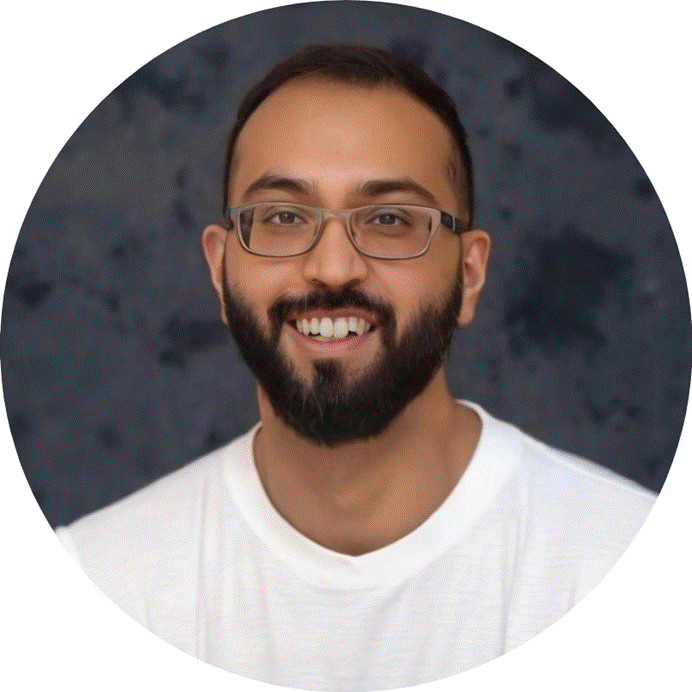
Professor Abdullah Khan
Associate Professor of Tissue Engineering, University of Oxford, UK
Group Leader, MRC Weatherall Institute of Molecular Medicine
Professor Khan is currently an Associate Professor of Tissue Engineering at the University of Oxford. His research team focuses on developing vascularized human bone marrow organoid models using induced pluripotent stem cells (iPSCs). One of the team’s landmark achievements is the development of the world’s first human bone marrow organoid model capable of supporting the survival and expansion of hematologic malignancy cells. Related findings have been published in Cancer Discovery and Nature Protocols.