
Editor's Note: The 2026 Congress of the European Society for Medical Oncology (ESMO) presented several advances in prostate cancer research, covering perioperative treatment for high-risk localized disease, long-term follow-up in metastatic disease, and the exploration of novel agents with new mechanisms of action. As treatment options continue to expand, understanding the evidence generated at different disease stages and using it to guide comprehensive treatment planning have become important clinical priorities.Oncology Frontier – UroStream invited Professor Bo Dai from Fudan University Shanghai Cancer Center to discuss the studies of particular interest at this year’s congress and their implications for clinical decision-making.
Research Advances: Perioperative Intensification and Novel Mechanisms of Action
Oncology Frontier – UroStream: Among the urologic oncology studies presented at this year’s ESMO Congress, which prostate cancer studies made the strongest impression on you, and why are they worth particular attention?
Professor Bo Dai: My main focus is on prostate cancer, and there are several studies that deserve attention.
The first is the DASL-HiCaP study, which explored the addition of approximately two years of darolutamide to androgen deprivation therapy (ADT) combined with radiotherapy in patients with localized prostate cancer at high risk of recurrence. This intensification strategy is particularly worth considering for patients who require additional treatment following radical prostatectomy.
The study demonstrated a significant improvement in metastasis-free survival (MFS), with a hazard ratio (HR) below 0.5, indicating a strong efficacy signal. I believe this study has the potential to influence future clinical practice and provides new evidence to support consideration of systemic treatment intensification following local therapy in patients with high-risk disease.
Another important study is the PROTEUS sub-study, which focused on patients with high-risk localized or locally advanced prostate cancer. It compared radical prostatectomy alone with a perioperative regimen consisting of six months of apalutamide plus ADT before surgery and another six months after surgery. The results showed that perioperative treatment intensification improved event-free survival (EFS), reducing the risk of relevant cancer-related events or death. For these patients, surgery alone may not be sufficient, and the value of systemic therapy in the perioperative setting deserves greater attention.
In advanced prostate cancer, I am particularly interested in the development of androgen receptor (AR)-related regulated induced proximity targeting chimeras (RIPTACs). These novel agents, which have a new mechanism of action, have demonstrated encouraging early activity in patients with metastatic castration-resistant prostate cancer (mCRPC) who have received multiple prior lines of treatment. In the dose cohorts reported at this congress, more than 70% of patients achieved a prostate-specific antigen (PSA) decline of at least 50% from baseline, while more than 40% achieved a decline of at least 90%.
These early response results are noteworthy, particularly for patients who have experienced treatment failure after multiple prior lines of therapy. The preliminary safety findings also support further investigation. However, the data presented were from a phase I clinical study. I look forward to subsequent phase II and III studies further validating its efficacy and safety, potentially establishing this agent as a new treatment option for patients with mCRPC.
Long-Term Benefit: Assessing Early Treatment Intensification Through Mature Survival Data
Oncology Frontier – UroStream: This year’s congress presented new efficacy data and extended follow-up results. When interpreting these findings, which types of evidence are most helpful in determining whether a treatment truly delivers long-term benefit?
Professor Bo Dai: I would like to use the long-term follow-up results from the PEACE-1 study as an example. This study is already familiar to many clinicians. One of the key questions it addressed was whether adding abiraterone to ADT plus docetaxel in patients with metastatic hormone-sensitive prostate cancer (mHSPC) could provide more durable survival benefit.
With extended follow-up, the study has provided longer-term survival data. Among patients receiving ADT plus docetaxel, the addition of abiraterone resulted in a median overall survival (OS) of more than six years, with an eight-year OS rate of approximately 40%. These findings demonstrate that the value of early treatment intensification can be reflected in patients’ survival outcomes many years later.
An important clinical implication is that androgen receptor pathway inhibitors (ARPIs) should be considered early in the disease course. For appropriate patients, ADT plus chemotherapy alone may not provide sufficient treatment intensity. Adding an ARPI to this backbone when appropriate may help secure better long-term outcomes.
Therefore, when determining whether a treatment regimen truly improves patient prognosis, I pay particular attention to survival outcomes from long-term follow-up. The sustained benefit demonstrated by PEACE-1 gives us a clearer understanding of treatment intensification in the mHSPC setting and supports the use of effective therapies at the most appropriate stage of the disease.
Treatment Sequencing: Developing a Comprehensive Strategy Based on Tumor Characteristics and Patient Factors
Oncology Frontier – UroStream: As treatment options continue to expand, which issues require the greatest clarification in current clinical decision-making? How can we make more rational choices and sequence different treatment regimens appropriately?
Professor Bo Dai: The field of prostate cancer is advancing rapidly. New drugs continue to emerge, and the number of available treatment combinations is increasing. For both physicians and patients, the key is to develop a rational overall treatment plan based on the patient’s physical condition, tumor burden, and financial circumstances. As more drugs become available, we must pay even greater attention to which treatments to select, when to use them, and how to sequence subsequent therapies.
Taking mHSPC as an example, ADT combined with an ARPI is an important treatment foundation. However, today’s treatment decisions can be further refined according to molecular characteristics. In addition to tumor burden and physical condition, we should also consider alterations in homologous recombination repair (HRR)-related genes and features such as PTEN loss when determining whether specific intensification strategies are appropriate for individual patients.
For patients with HRR-related gene alterations, PARP inhibitors may be considered earlier, during the hormone-sensitive stage. For patients with PTEN loss, the use of protein kinase B (AKT) inhibitors in the mHSPC setting may also be considered. Introducing these agents earlier may help patients achieve survival benefits.
Radioligand therapy is another important area to watch. Relevant studies suggest that using this type of treatment in the mHSPC setting can improve radiographic progression-free survival (rPFS). If PSMA PET demonstrates PSMA-positive lesions and the patient’s physical and financial circumstances permit, the possibility of moving this treatment earlier can be evaluated in light of the available evidence. For patients with a high tumor burden, the potential value of combining treatment with chemotherapy should also be considered.
In terms of treatment timing, when clinically appropriate, using highly active therapies earlier may give patients the opportunity to benefit for a longer period. The duration of benefit from an effective drug may be relatively limited when it is reserved for a very late line of treatment in mCRPC. If the same drug is used in an earlier line, or even moved into the mHSPC setting, patients may be able to derive greater overall benefit.
Therefore, one of the key challenges today is determining the most appropriate combination and sequence of treatments for each patient. We need to ensure that patients receive effective therapies at the right stage of their disease while also taking into account physical tolerability and future treatment options. The ultimate goal is to maximize survival benefit throughout the entire course of treatment.
Summary
Professor Bo Dai’s discussion centered on earlier treatment intensification and comprehensive treatment planning. New evidence is emerging for perioperative intensification in high-risk localized prostate cancer, while long-term follow-up from PEACE-1 further demonstrates the sustained benefits of treatment intensification in the mHSPC setting. Novel agents with new mechanisms of action are also opening up additional avenues for patients who have received multiple prior lines of treatment.
As treatment options continue to expand, clinical decision-making should integrate tumor burden, molecular characteristics, physical condition, and financial circumstances to identify the optimal timing of treatment and plan the subsequent sequence of therapies.
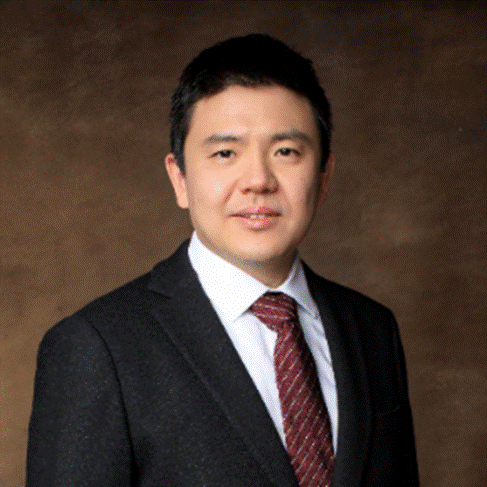
Professor Bo Dai