
Most types of thyroid cancer progress slowly and respond well to treatment. However, two subtypes are particularly aggressive: anaplastic thyroid carcinoma (ATC) and poorly differentiated thyroid carcinoma (PDTC). ATC is one of the most rapidly progressing thyroid malignancies, with a historical median overall survival (OS) of only approximately five months and a 1-year OS rate of around 20%. Although PDTC generally has a better prognosis than ATC, it is highly heterogeneous. Historically, the overall 5-year OS rate has been approximately 60%–70%; however, once the disease becomes locally advanced, unresectable, or metastatic, patient outcomes deteriorate significantly. For a long time, effective treatment options for these patients have been extremely limited.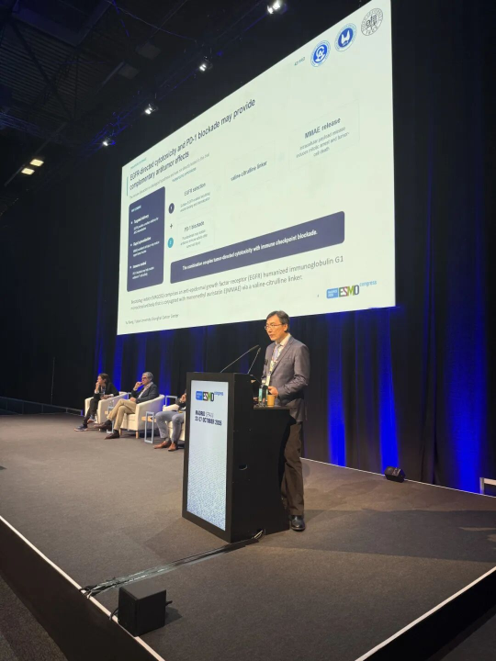
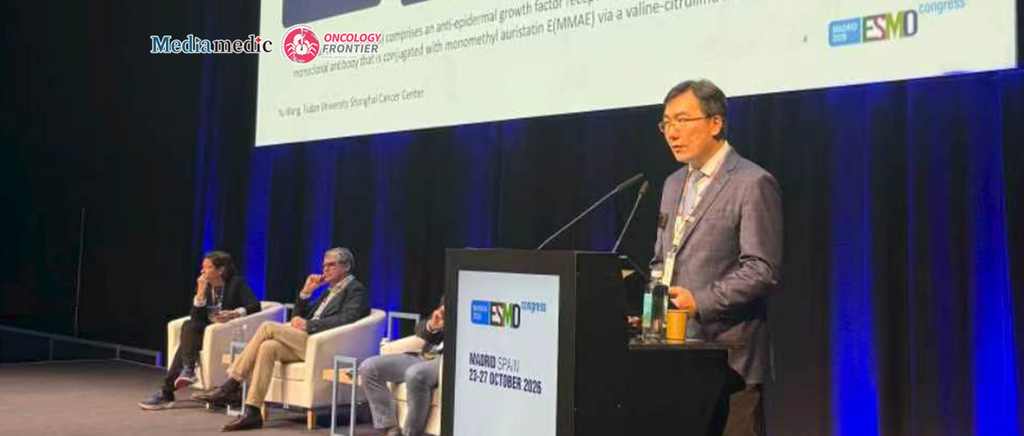
To address this challenging clinical situation, Professor Yu Wang, Director of the Department of Head and Neck Surgery at Fudan University Shanghai Cancer Center, has led a single-center, single-arm, multi-cohort Phase II clinical trial. At the recently held annual meeting of the European Society for Medical Oncology (ESMO), he presented interim findings from the study, exploring a potential new drug-combination strategy for patients with aggressive thyroid cancers that cannot be surgically resected.
Two Aggressive Thyroid Cancer Subtypes Face Significant Treatment Challenges
ATC is regarded within the medical community as a highly malignant tumor, with patients historically surviving for less than six months on average. PDTC has a highly variable clinical course, but patients also face substantial risks of local recurrence and distant metastasis.
In clinical practice, some patients harboring specific genetic mutations can receive corresponding targeted therapies. However, approximately 50% of patients with ATC and 65%–75% of those with PDTC lack actionable genetic alterations for which established matched drugs are currently available. For patients whose tumors have already extensively invaded vital organs at diagnosis, making curative surgery impossible, systemic treatment options capable of effectively shrinking the tumor remain extremely limited.
Professor Yu Wang’s team at Fudan University Shanghai Cancer Center has been continuously working to overcome these challenges in the treatment of difficult-to-manage thyroid malignancies. Supported by the hospital’s multidisciplinary team, treatment is tailored to each patient, with therapeutic strategies adjusted dynamically. Patients first undergo pathological and molecular testing, followed by systemic treatment, including drug therapy. Based on subsequent changes in the tumor, the team reassesses whether surgery or radiotherapy may once again offer an opportunity for curative treatment.
In a retrospective analysis of the diagnosis and treatment of 95 patients with advanced ATC or PDTC over the preceding five years, the team found that some patients had become eligible for surgery again following drug treatment. However, retrospective studies have inherent limitations, and these findings require further validation through prospective clinical trials.
Innovative Combination Therapy Investigated in a Prospective Clinical Trial
The interim findings presented orally by Professor Wang at the ESMO Congress came from the EPICTC Phase II prospective clinical trial. The study enrolled patients with ATC or PDTC that was no longer amenable to curative surgical resection and whose tumor cells expressed a specific surface protein above a predefined threshold.
The research team is exploring an innovative combination of two drugs to evaluate potential clinical benefits and treatment-related toxicities. One is an antibody-drug conjugate (ADC) that targets a protein on the tumor-cell surface and delivers a tumor-killing payload into cancer cells. The other is an immunotherapy agent that activates the body’s own immune system to fight the tumor. The combination regimen is administered once every three weeks.
“The study primarily evaluates tumor shrinkage, disease control, survival outcomes, and treatment safety. Notably, enrollment does not require patients to carry specific gene mutations; eligibility is determined solely by the level of surface protein expression on tumor cells,” Professor Wang explained.
Since 2025, a total of 36 patients had received the combination regimen as of September 17, 2026. Among them, 31 were evaluable for treatment response, the vast majority of whom had ATC. The data showed that nearly half of the evaluable participants experienced substantial tumor shrinkage, while disease control was achieved in more than 60%. Tumor responses could be observed after an average of just 43 days of treatment.
The efficacy signals came primarily from patients with ATC. Among the 26 evaluable patients in this subgroup, nearly 58% experienced significant tumor shrinkage. Two patients subsequently underwent surgery after their tumors had regressed substantially, and no viable cancer cells were detected in their postoperative specimens. Based on current data, the estimated 1-year OS rate in this subgroup exceeds 50%.
“Compared with conventional targeted therapy, with or without immunotherapy, the treatment outcomes have improved to a considerable extent,” Professor Wang noted. However, only five patients with PDTC were included in the current efficacy assessment, and no cases of significant tumor shrinkage have been observed in this subgroup so far.
Can these findings already justify optimism about the future clinical potential of this combination regimen? Professor Wang emphasized that tumor shrinkage in response to drug treatment does not necessarily mean that curative surgery will become possible.
“Whether a patient can become eligible for curative surgery must be determined through a comprehensive assessment of the extent of organ invasion after tumor regression, the degree of disease control across the body, the patient’s overall physical condition, and surgical risks. A multidisciplinary team must evaluate each patient individually and develop a tailored treatment strategy,” he explained.
“The two cases in which no viable cancer cells were detected after surgery represent outcomes in a small number of individual patients. We cannot assume that every patient with inoperable disease will become eligible for surgery after receiving this combination regimen,” Professor Wang acknowledged. He further noted that follow-up remains relatively short and the sample size is limited. Many patients have not yet experienced death or disease progression, meaning that long-term survival data are still immature. There are also certain treatment-related risks, while differences among patients with different genetic mutations can currently serve only as exploratory references. Nevertheless, this exploratory “China strategy” offers a glimpse of hope for the future treatment of aggressive thyroid cancers.
Treatment Carries Significant Risks; Unwarranted Optimism Should Be Avoided
Experts specifically caution that these tumors can invade the trachea, esophagus, and major blood vessels. Even when drug treatment induces rapid tumor shrinkage, it may also lead to tissue necrosis, tracheal fistula, severe hemorrhage, and life-threatening infections.
“Therefore, this prospective clinical trial regimen should not simply be interpreted as ‘safe and manageable.’ Even if it eventually enters routine first-line clinical practice following a Phase III trial, treatment must be administered at medical institutions equipped with airway monitoring and multidisciplinary emergency care capabilities,” Professor Wang said.
The Study Remains Exploratory and Requires Further Multicenter Validation
The clinical trial is still ongoing, with patients continuing to be followed up. In the next stage, Professor Wang’s team will continue to evaluate the durability of treatment responses, long-term survival outcomes, and the risks associated with surgery following drug treatment. At the same time, the team plans to expand enrollment of patients with PDTC.
“In the future, we will need to conduct multicenter studies to further validate the actual efficacy and safety boundaries of this treatment approach and clarify its clinical positioning in relation to surgery, radiotherapy, and targeted therapy,” Professor Wang said.
During his presentation, Professor Wang emphasized that this is an early exploratory study conducted at a single center. The regimen has demonstrated preliminary potential, but it cannot yet replace existing standard treatments. “We hope that subsequent clinical trials will demonstrate even better efficacy alongside manageable adverse events, ultimately helping us identify a ‘China-developed solution’ to the treatment challenges posed by aggressive thyroid cancers.”