


RET gene fusions are key oncogenic drivers in non-small cell lung cancer (NSCLC). Although detected in only approximately 1%–2% of patients, these alterations have a well-established role in tumorigenesis and represent an important therapeutic target in advanced lung cancer. In recent years, the introduction of highly selective RET inhibitors has substantially improved outcomes for patients with this molecular subtype. However, challenges remain in clinical practice, including safety management, acquired resistance, and intracranial efficacy.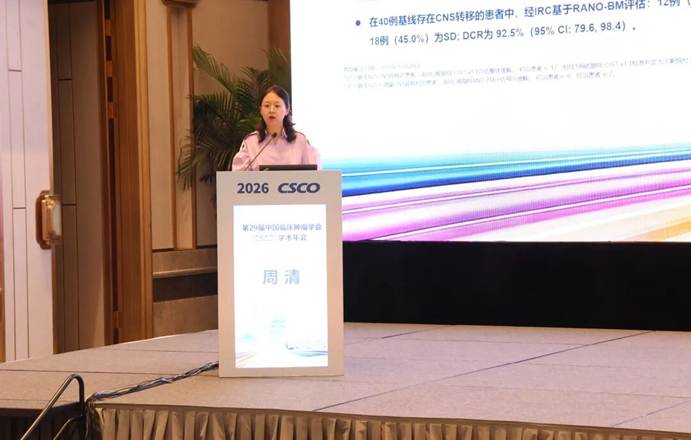
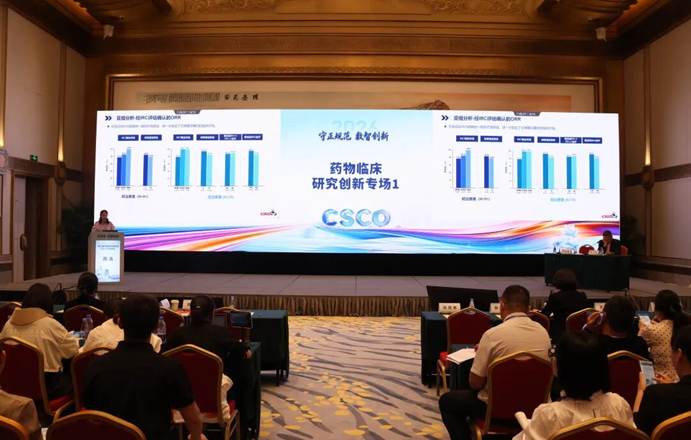
Against this background, lunbotinib fumarate, a next-generation RET inhibitor, offers new hope for this patient population with its distinctive molecular design, encouraging clinical data, and manageable safety profile. At the 2026 Annual Meeting of the Chinese Society of Clinical Oncology (CSCO), Professor Qing Zhou from Guangdong Provincial People’s Hospital presented results from a pivotal phase II study of lunbotinib fumarate in RET fusion-positive NSCLC. Oncology Frontier invited Professor Zhou to discuss the latest research findings and share perspectives on the drug’s future clinical applications and development.
A First-Line Choice in the Era of Precision Medicine
The Clinical Decision-Making Rationale for RET Tyrosine Kinase Inhibitors
RET fusion-positive advanced NSCLC has entered the era of precision-targeted therapy, with highly selective RET tyrosine kinase inhibitors (RET-TKIs) firmly established as the standard first-line treatment approach. Among the RET-TKIs developed internationally, lunbotinib fumarate, developed in China, demonstrates distinctive characteristics in its molecular design and mechanism of action.
In a BALB/c mouse model, lunbotinib fumarate achieved a brain-to-plasma concentration ratio (Cmax) of 2.97% and a brain-to-plasma exposure ratio (AUC) of 2.47%. These pharmacokinetic parameters compare favorably with those of drugs in the same class and provide a structural and biological basis for its promising ability to penetrate the central nervous system.
Through precise optimization of its molecular structure, the drug has substantially improved hydrophilicity while retaining key pharmacologically active groups. This not only enhances its physicochemical properties but also fundamentally reshapes its pharmacokinetic profile. More importantly, lunbotinib fumarate exhibits greater selectivity for kinase targets such as VEGFR2, JAK1, and JAK2, potentially reducing the risk of toxicity associated with off-target effects. In a first-in-human phase I study, the drug demonstrated promising antitumor activity against solid tumors harboring RET alterations, together with encouraging central nervous system (CNS) activity.
The optimized drug mechanism and preclinical findings highlight the considerable potential of highly selective RET-TKIs such as lunbotinib fumarate. However, whether this potential will translate into a change in clinical practice ultimately depends on how well the drug meets the key requirements of clinical decision-making.
First, efficacy remains the primary consideration, particularly intracranial activity in patients with brain metastases. Brain metastases are common in NSCLC and represent a major factor affecting patients’ quality of life.
Second, long-term safety directly affects treatment adherence and sustained clinical benefit. Adverse events associated with off-target effects, including hypertension, hematologic toxicity, and interstitial lung disease, are important considerations when selecting treatment.
In addition, individual patient characteristics must inform treatment decisions, including performance status, tumor burden, and prior treatment history. Drugs with more favorable safety profiles and toxicities that are easier to manage should be prioritized when clinically appropriate.
Evidence From the Pivotal Phase II Study
Lunbotinib Fumarate Demonstrates a Promising Balance of Efficacy and Safety
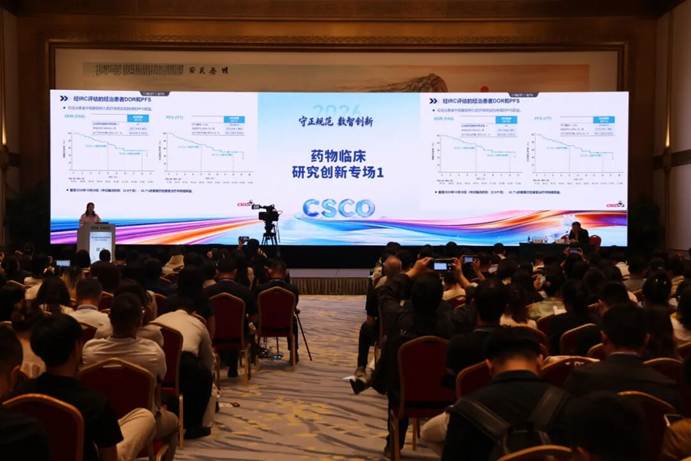
Data from the pivotal phase II clinical study of lunbotinib fumarate, presented at this year’s American Society of Clinical Oncology (ASCO) and CSCO annual meetings, further support its efficacy and safety in patients with advanced RET fusion-positive NSCLC.
The study enrolled patients with advanced disease, including a substantial proportion with relatively poor baseline performance status. Patients with an Eastern Cooperative Oncology Group performance status (ECOG PS) score of 1 accounted for 80.2% of the treatment-naïve group and 90% of the previously treated group. More than half of the patients had metastases involving at least three organs, indicating a substantial overall tumor burden.
Strong Efficacy: Encouraging Antitumor Activity in Both Treatment-Naïve and Previously Treated Patients
Despite the inclusion of a substantial proportion of patients with difficult-to-treat disease, lunbotinib fumarate delivered encouraging results.
Among treatment-naïve patients receiving first-line lunbotinib fumarate, the objective response rate (ORR) reached 81.3%, and the disease control rate (DCR) was 92.3%. Median progression-free survival (PFS) had not yet been reached, while the 2-year PFS rate was 59.9%.
Among previously treated patients, the ORR was 87.1%, the DCR was 91.4%, and median PFS reached 27.5 months.
These findings suggest that lunbotinib fumarate can achieve deep and durable tumor responses across different treatment settings, from first-line therapy to later-line treatment. The results are also encouraging for patients with poorer performance status and substantial tumor burden.
A Manageable Safety Profile: Greater Confidence in Long-Term Treatment
Regarding safety, the study reported a hypertension incidence of only 3.1% and an interstitial lung disease incidence of 1.8%. The incidence of thrombocytopenia, a particularly challenging adverse event in clinical practice, was as low as 11%, with most cases being grade 1 or 2.
The main adverse reactions were ocular events, including dry eye and blurred vision, as well as urinary retention. These events were generally low-grade, manageable, and reversible. Compared with the higher rates of hypertension, interstitial lung disease, and hematologic toxicity reported with some approved agents, lunbotinib fumarate demonstrated a toxicity profile that may be easier to manage.
The drug also showed favorable treatment tolerability. The incidence of grade 3 or higher treatment-related adverse events (TRAEs) was 40.5%, and only 1.2% of patients permanently discontinued treatment because of TRAEs. No fatal TRAEs were reported. These findings provide encouraging support for sustained treatment and the prospect of maintaining patients’ quality of life over the long term.
Furthermore, comparisons with reported studies of other agents in the same class suggest that lunbotinib fumarate has demonstrated promising efficacy and safety.
Addressing Key Treatment Challenges: Broad Patient Benefit and Promising Intracranial Activity
Subgroup analyses further highlighted the broad antitumor potential of lunbotinib fumarate. Among treatment-naïve patients, the ORR was 77.6% in those with KIF5B–RET fusions, 85.2% in those with CCDC6–RET fusions, and 100% in those with other fusion subtypes. These results suggest consistent efficacy across different fusion partners.
Particularly noteworthy was the drug’s performance in patients with brain metastases, a challenging population in clinical practice.
Among 40 patients with brain metastases at baseline, the ORR assessed according to RECIST version 1.1 was 79.5%. Using the Response Assessment in Neuro-Oncology Brain Metastases (RANO-BM) criteria, complete disappearance of brain lesions (complete response, CR) was observed in 30% of patients. Among patients with measurable CNS lesions at baseline, the intracranial ORR reached 62.5%.
The consistency between the preclinical and clinical findings further supports the drug’s potential to penetrate the blood–brain barrier effectively.
Potential to Reshape the Future of RET-Positive NSCLC Treatment
Expanding the Possibilities for Clinical Research
As a next-generation, highly selective RET inhibitor developed in China, lunbotinib fumarate has delivered encouraging results in both efficacy and safety in its pivotal phase II study. Patients benefited from deep and durable tumor responses regardless of whether they were receiving first-line treatment or had undergone multiple previous lines of therapy. The drug also demonstrated promising intracranial antitumor activity in patients with brain metastases, while its distinctive toxicity profile may offer advantages for long-term treatment management.
Taken together, these findings suggest that lunbotinib fumarate may emerge as a new treatment option for patients with advanced RET fusion-positive NSCLC, potentially combining strong efficacy with manageable safety and preservation of quality of life.
Despite the progress achieved with RET-TKIs, which have provided effective treatment options for patients with advanced NSCLC harboring this rare molecular alteration, significant unmet medical needs remain.
Acquired resistance—particularly secondary mutations in the RET kinase domain or activation of bypass signaling pathways—continues to be a major obstacle to achieving long-term benefit. Primary resistance in some patients also underscores the need to explore combination strategies involving RET inhibitors and chemotherapy, antiangiogenic agents, or other targeted therapies.
Furthermore, given the low prevalence of RET fusions, closer integration of real-world evidence with prospective clinical research is essential. Multicenter collaboration should be encouraged to accelerate the accumulation of high-quality clinical evidence and provide a stronger foundation for treatment decisions.

Professor Qing Zhou