Editor's Note: In recent years, technologies, therapeutic agents, and treatment concepts in urologic oncology have continued to evolve, with precision, minimally invasive treatment, and functional preservation emerging as key directions for high-quality specialty development. From 5G-enabled remote robotic surgery expanding access to high-quality medical resources, to the continued advancement of systemic therapy for prostate cancer toward earlier stages of disease, and the development of surgical techniques centered on urinary continence and sexual function preservation, urologic oncology is gradually moving beyond a sole focus on tumor control toward comprehensive management that balances long-term survival with quality of life. In this issue, Oncology Frontier · UroStream invited Professor Shangqing Ren of Sichuan Provincial People's Hospital to share insights into important advances in urologic oncology, functional preservation in prostate cancer and related technical approaches, as well as the clinical and research development pathways for young urologists, providing practical experience and perspectives on innovation in urologic care and the development of the next generation of specialists.Technological and Therapeutic Advances Driving Innovation in Urologic Oncology
Oncology Frontier · UroStream: In recent years, the diagnostic and treatment system for urologic diseases has continued to improve, with new technologies, novel therapeutic agents, and emerging treatment concepts driving high-quality development in the field. Based on your clinical experience, what are the key breakthroughs in urology that deserve particular attention?
Professor Shangqing Ren: In recent years, all subspecialties of urology have developed rapidly. Minimally invasive techniques continue to evolve, targeted therapies and novel endocrine agents are becoming increasingly diverse, and concepts of individualized and comprehensive disease management are gradually becoming integrated into clinical practice. Together, these advances are driving urologic oncology toward greater standardization and precision. I have long been engaged in robotic minimally invasive surgery for urologic malignancies. Based on recent clinical practice and international developments, I believe two areas deserve particular attention.
First is the accelerated clinical adoption of 5G-enabled remote robotic surgery. Robotic-assisted surgery has become an important approach to minimally invasive treatment of urologic malignancies. However, conventional robotic surgery generally requires the surgeon, assistant, and patient to be located in the same operating room, meaning that the reach of high-quality surgical expertise remains geographically limited.
At the international robotic surgery challenge held in Rome this June, Chinese urologic experts, including Professor Baojun Wang and Professor Qingbo Huang, performed demonstrations of complex robotic procedures, showcasing the technical capabilities and international influence of Chinese urologic robotic surgery.
With the high transmission speed and low latency offered by 5G communications, remote robotic surgery has gradually progressed from early technical exploration toward clinical application. The team led by Academician Xu Zhang has previously conducted cross-regional remote surgical procedures, including operations between Beijing and Hainan, and this technology is now being explored in increasingly distant and complex settings.
The significance of remote robotic technology lies not only in overcoming geographical limitations but also in promoting the distribution of high-quality medical resources. Chinese urologists have accumulated a relatively mature technical foundation in robotic surgery. As communication networks, equipment, surgical safety systems, and quality-control mechanisms continue to improve, remote robotic surgery may enable patients in primary-care and remote regions to access higher-level complex urologic oncology procedures, offering considerable clinical and social value.
The second important development is the continued evolution of systemic therapy for prostate cancer and the movement of treatment toward earlier stages of disease. Novel endocrine therapies, targeted therapies, and other systemic treatment approaches are continuously emerging, substantially expanding therapeutic options for advanced prostate cancer while increasingly being explored in the perioperative treatment of localized and high-risk prostate cancer.
From the perspective of international drug development, most novel anticancer therapies are initially evaluated in patients with advanced or later-line disease. After survival benefits and safety have been established, these therapies are gradually moved into earlier stages of disease. This shift reflects a change in the treatment goals of prostate cancer—from delaying progression in advanced disease to further reducing the risks of recurrence and metastasis.
The PROTEUS study presented at this year’s ASCO Annual Meeting provides important evidence for perioperative neoadjuvant treatment in high-risk localized prostate cancer. The findings suggest that combining androgen deprivation therapy with a novel androgen receptor pathway inhibitor may improve pathological response and metastasis-free survival-related outcomes, providing a new strategy for comprehensive treatment of high-risk localized prostate cancer.
Therefore, technological innovation in remote robotic minimally invasive surgery and the advancement of systemic prostate cancer treatment toward earlier disease stages represent two major areas of development in urologic oncology.
From Tumor Eradication to Functional Preservation: Redefining the Goals of Prostate Cancer Surgery
Oncology Frontier · UroStream: In the diagnosis and treatment of urologic malignancies, how can clinicians maximize local tumor control and improve patient outcomes while preserving organ function and enhancing long-term quality of life? Please discuss the evolution of functional preservation in urologic oncology and its future direction.
Professor Shangqing Ren: Functional preservation is an important goal of modern prostate cancer surgery and represents a key manifestation of the concept of precision minimally invasive surgery.
Traditional oncologic surgery focused primarily on complete tumor removal and achieving oncological cure, while relatively less attention was paid to postoperative urinary continence, sexual function, and long-term quality of life. As the survival of patients with prostate cancer has progressively improved, treatment goals have also changed significantly.
The concept of “trifecta” in radical prostatectomy has gradually emerged, emphasizing that while achieving tumor control, surgeons should also preserve urinary continence and sexual function whenever possible. This evaluation framework has subsequently expanded further, incorporating surgical margin status, perioperative safety, functional recovery, and long-term quality of life. This evolution is highly consistent with the direction of prostate cancer guidelines worldwide and reflects the transition from a purely curative surgical approach toward individualized precision treatment that balances tumor control, functional preservation, and quality of life.
In previous clinical practice, persistent urinary incontinence and erectile dysfunction after radical prostatectomy could significantly affect patients’ recovery, psychological well-being, and social lives. However, these long-term functional consequences did not receive sufficient attention for a considerable period, and systematic evaluation and intervention strategies were also lacking.
With the continuous advancement of minimally invasive surgery, modified techniques such as posterior-approach radical prostatectomy, single-port robotic surgery, refined preservation of the neurovascular bundles, and preservation of pelvic floor anatomical structures have gradually matured, creating new opportunities to reduce treatment-related functional impairment.
At the robotic minimally invasive center where I work, under the leadership of Professor Dong Wang, we began exploring and promoting single-incision robotic radical prostatectomy at the end of 2020. After several years of clinical practice and multicenter adoption, the surgical technique has continued to evolve, and our experience has been summarized and communicated through academic publications.
The functional-preservation strategy of this procedure mainly involves two aspects.
First, we attempt to preserve the anatomical structures behind the pelvic floor as much as possible, reducing unnecessary tissue dissection and structural disruption and thereby creating a more favorable anatomical foundation for early postoperative urinary continence recovery.
Second, during management of the neurovascular bundles, we use more refined cold-knife dissection to minimize thermal injury caused by energy devices and reduce secondary effects on pelvic nerves and blood vessels.
Current clinical experience suggests that preservation of anatomical structures and neurovascular protection may improve early postoperative urinary continence. Some patients can achieve relatively rapid recovery of urinary control, with a potentially reduced risk of long-term incontinence. However, functional recovery is influenced by multiple factors, including patient age, baseline functional status, tumor extent, degree of nerve preservation, and surgeon experience. Larger studies, longer follow-up, and standardized assessments are therefore needed for further validation.
In the future, functional preservation in urologic oncology will move beyond modifications to individual surgical procedures toward whole-process management. Clinicians need to establish a continuous care model encompassing precise preoperative assessment, meticulous intraoperative preservation, and standardized postoperative rehabilitation.
Before surgery, tumor risk, baseline urinary continence, sexual function, and individual patient expectations should be comprehensively assessed. During surgery, the appropriate anatomical approach and nerve-preservation strategy should be selected according to tumor location and stage. After surgery, pelvic-floor rehabilitation, sexual-function rehabilitation, and long-term follow-up should be implemented. The ultimate goal is to maximize long-term functional outcomes and quality of life while maintaining oncological safety.
Focusing on Clinical Problems and Teamwork to Support the Development of Young Urologists
Oncology Frontier · UroStream: The development and mentorship of young physicians are essential to the continued innovation of urology. How should young urologists balance the development of clinical competence with the improvement of research and innovation capabilities?
Professor Shangqing Ren: I believe that being “young” is not merely a matter of age. It also represents a willingness to explore, a spirit of innovation, and an attitude toward clinical and scientific work. Young physicians are an important force driving innovation and technological advancement in the specialty.
For young urologists primarily engaged in clinical practice, the first priority should be to remain clinically grounded and problem-oriented. Clinical research should not be treated as an independent task disconnected from patient care. Instead, it should arise from genuine clinical difficulties and unmet needs.
Young physicians should actively ask themselves during daily clinical practice: Which patients are still difficult to diagnose accurately? Which treatment decisions lack consistent standards? Which postoperative complications still lack effective solutions? These questions can then be systematically investigated through clinical data analysis, basic experiments, prospective studies, or multicenter collaboration. This is how clinical practice and research can truly become integrated.
This year, I had the opportunity to participate in drafting the Expert Consensus on Repeat Prostate Biopsy. During multiple rounds of discussion with more than 50 young experts nationwide, I was deeply impressed. Regarding the indications, contraindications, timing, and risk management of repeat prostate biopsy, many issues previously considered to have reached consensus still showed substantial differences during evidence assessment, expert voting, and academic discussion.
This demonstrates that many clinical questions in precision prostate biopsy remain insufficiently answered. For example, which patients with an initial negative biopsy truly require repeat biopsy? How can MRI, serum biomarkers, and molecular testing be combined to optimize risk stratification? And how can different biopsy approaches and technologies balance detection rates with safety? These questions have considerable scientific value and translational potential and provide young physicians with broad opportunities to conduct original clinical research.
At the same time, within the coordinated development of clinical practice, education, and research, young physicians need to gradually develop comprehensive capabilities in clinical diagnosis and treatment, scientific innovation, medical education, and academic communication.
However, individual time and energy are limited, and it is difficult to address complex clinical and research problems entirely through individual effort. Therefore, teamwork and the development of academic platforms are particularly important for young physicians.
Young physicians should, on the one hand, establish strong clinical foundations, develop standardized clinical reasoning, and actively learn research methodology, statistics, and academic writing. On the other hand, they should actively join high-level academic teams and use these platforms to participate in multicenter studies, expert consensus development, technological innovation, and translational research.
Through collaboration among clinicians, statisticians, radiologists, pathologists, and basic researchers, young physicians can compensate for gaps in individual knowledge and research resources, improve research efficiency, and enhance the quality of their findings. At the same time, they should gradually establish their own areas of expertise within the team, progressing from participant to key researcher and ultimately to project leader.
Ultimately, the development of young physicians requires both long-term clinical experience and sensitivity to scientific questions. It requires not only individual capability building but also the ability to leverage team-based platforms. Only by integrating clinical competence, scientific thinking, and teamwork can young physicians achieve both personal development and the sustainable advancement of the specialty.
Conclusion
From 5G-enabled remote robotic surgery overcoming geographical barriers, to the continued movement of systemic prostate cancer therapy toward earlier stages of disease, and the growing emphasis on urinary continence, sexual function, and quality of life, urologic oncology is rapidly entering a new phase that places equal emphasis on technological innovation, precision decision-making, and comprehensive disease management.
Professor Shangqing Ren emphasized that truly valuable technological innovation should not only improve tumor control but also serve patients’ long-term functional recovery and quality of life. At the same time, continued progress in the specialty depends on young physicians identifying clinical problems, strengthening their scientific thinking, and actively engaging in teamwork.
In the future, as minimally invasive techniques, pharmacological treatment, functional rehabilitation, and multidisciplinary collaboration become increasingly integrated, urology will be better positioned to provide patients with more precise, safer treatment strategies that maximize long-term benefit, while continuing to advance the specialty through talent development and sustained innovation.
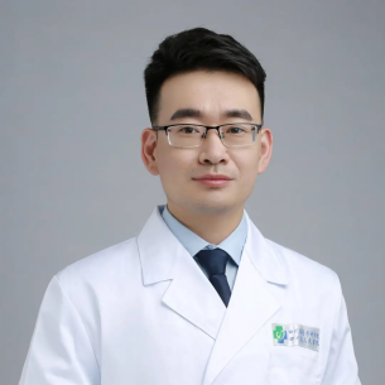
Professor Shangqing Ren