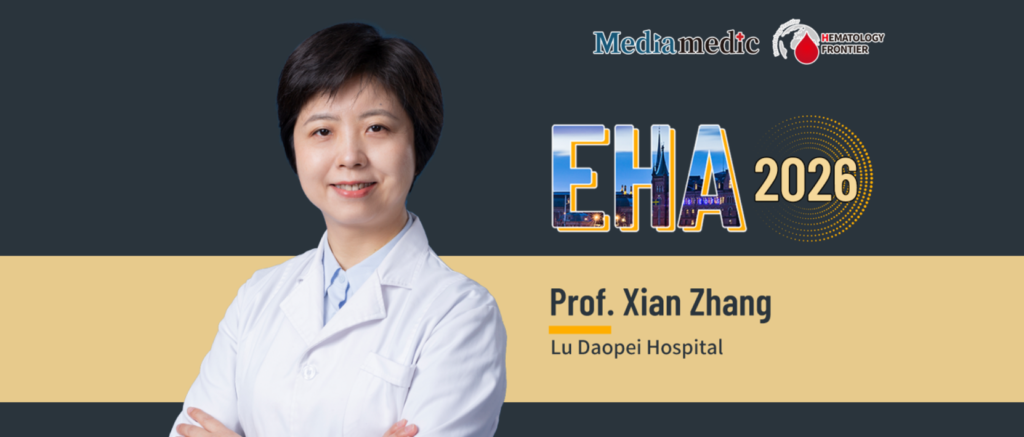
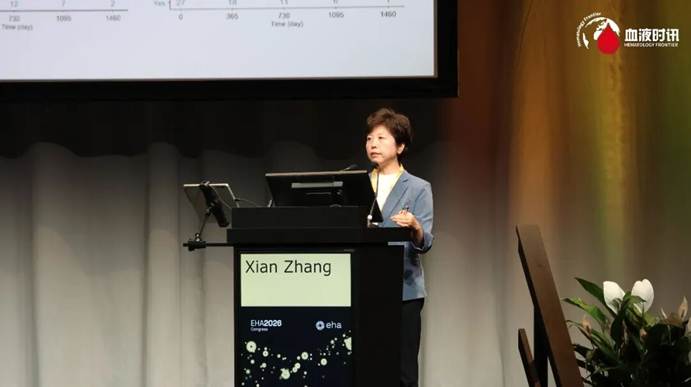
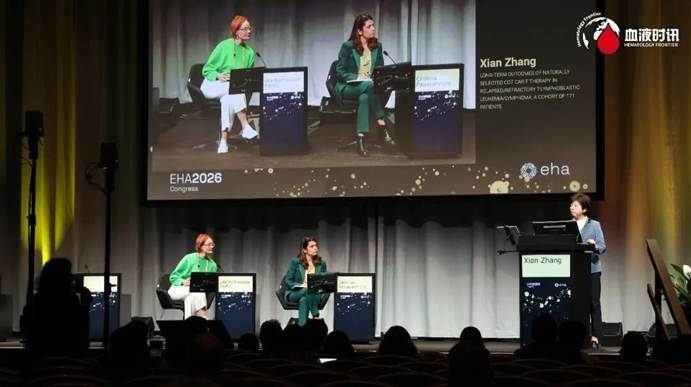
Relapsed/refractory T-cell acute lymphoblastic leukemia/lymphoblastic lymphoma (T-ALL/LBL) carries an extremely poor prognosis, with long-term survival rates of only 10%–20%. The advent of NS7 CAR-T, a novel naturally selected CD7-directed CAR-T therapy that requires no additional genetic modification, has brought a transformative breakthrough to the treatment of these diseases.At the 2026 European Hematology Association (EHA) Congress, Professor Zhang Xian from Lu Daopei Hospital delivered an oral presentation reporting the latest long-term follow-up data from 171 patients treated with NS7 CAR-T. This represents the largest CD7 CAR-T cohort study reported worldwide to date. During the meeting, Oncology Frontier – Hematology Frontier invited Professor Zhang to discuss the efficacy and safety profile of NS7 CAR-T, the optimal timing of allogeneic hematopoietic stem cell transplantation (allo-HSCT) following CAR-T therapy, individualized treatment strategies for high-risk populations, and future directions for further improving outcomes in this field.
Oncology Frontier – Hematology Frontier:
This study enrolled 171 patients with relapsed/refractory T-ALL/LBL and is among the largest long-term follow-up studies of CD7 CAR-T therapy. How do you interpret the nearly 90% MRD-negative remission rate and approximately 70% two-year overall survival achieved with NS7 CAR-T? What do these findings mean for the treatment landscape of relapsed/refractory T-ALL/LBL?
Professor Zhang Xian:
At the 2026 EHA Congress, our center presented an oral report retrospectively analyzing clinical outcomes from 171 patients with relapsed/refractory T-cell lymphoblastic lymphoma and acute T-cell lymphoblastic leukemia treated with naturally selected CD7 CAR-T therapy (NS7 CAR-T).
The data presented constitute the largest clinical cohort study of CD7 CAR-T therapy reported globally to date. Since 2020, our center has been utilizing naturally selected autologous CD7 CAR-T therapy, a platform that does not require additional genetic engineering of patients’ own T cells. This report summarizes outcomes from 171 of these patients.
The results demonstrated outstanding efficacy and a favorable safety profile. Among the 171 patients, the combined complete remission (CR) and complete remission with incomplete hematologic recovery (CRi) rate exceeded 90%, while the MRD-negative complete remission rate reached 88%.
This therapy has brought a transformative breakthrough to the treatment of relapsed/refractory T-cell lymphoblastic lymphoma and acute T-cell lymphoblastic leukemia. Prior to its availability, patients entering the relapsed or refractory setting faced extremely poor outcomes, with long-term survival rates of only 10%–20%. Even allogeneic hematopoietic stem cell transplantation offered limited salvage success.
With NS7 CAR-T, however, patients who achieve both hematologic remission and MRD negativity and subsequently undergo allo-HSCT within three months can achieve long-term disease-free survival beyond two years in more than 70% of cases. This treatment strategy offers renewed hope for patients who previously had very limited prospects for long-term survival.
Oncology Frontier – Hematology Frontier:
The study showed that bridging allo-HSCT following CAR-T therapy significantly improved long-term overall survival and progression-free survival, with benefits also observed among previously transplanted and other high-risk patients. Based on your experience, which patients should most strongly be considered for transplantation, and how should the optimal timing between CAR-T and allo-HSCT be determined?
Professor Zhang Xian:
Although we hope CAR-T therapy can ultimately achieve cure on its own, clinical observations indicate that remission is not always durable following CD7 CAR-T treatment.
Specifically, CAR-T cell levels measured by flow cytometry begin to decline noticeably two to three months after infusion. Between three and six months after treatment, a considerable proportion of patients experience disease relapse. For patients with relapsed/refractory T-cell lymphoblastic lymphoma and acute T-cell lymphoblastic leukemia—both extremely high-risk diseases—relapse often means losing the opportunity for additional CD7 CAR-T therapy or allogeneic transplantation.
For this reason, we recommend that patients proceed to allogeneic hematopoietic stem cell transplantation as soon as possible after achieving complete remission with CD7 CAR-T, ideally within three months. Our follow-up data support this recommendation, showing that this sequential treatment strategy achieves two-year overall survival and progression-free survival rates exceeding 70%, representing highly encouraging clinical outcomes.
Subgroup analyses further demonstrated that patients harboring high-risk fusion genes, including SIL::TAL1, PICALM-AF10, and SET-CAN, or those carrying TP53 mutations, should undergo transplantation as early as possible after achieving MRD-negative complete remission with CD7 CAR-T therapy.
For the particularly high-risk subgroup with SIL::TAL1-positive disease, we recommend proceeding to transplantation within one to two months after remission is achieved. These conclusions are supported by extensive clinical data and long-term validation.
Oncology Frontier – Hematology Frontier:
The study also included traditionally high-risk patients, such as those with TP53 mutations, SIL::TAL1 fusions, and relapse following previous transplantation. What therapeutic potential has NS7 CAR-T demonstrated in these populations? Are there plans to further explore CAR-T combined with transplantation or other maintenance strategies to reduce relapse risk?
Professor Zhang Xian:
SIL::TAL1 fusion positivity, TP53 mutations, and post-transplant relapse are all associated with extremely poor prognosis.
Historically, once these patients entered the relapsed or refractory stage, long-term survival was virtually nonexistent regardless of whether chemotherapy, targeted therapy, or allogeneic hematopoietic stem cell transplantation was employed.
Our data demonstrate that CD7 CAR-T therapy followed by allo-HSCT can significantly improve outcomes in these ultra-high-risk populations, enabling more than half of these patients to achieve long-term survival.
From a clinical perspective, we recommend that such patients proceed to transplantation within approximately two months after receiving CD7 CAR-T therapy. For patients who relapse following a previous transplant, decision-making is more complex because they often present with severe bone marrow suppression and prolonged cytopenias. In these cases, the timing of a second transplantation must be carefully evaluated and individualized by the treating clinical team.
Despite these encouraging advances, we have also observed that outcomes for patients carrying these high-risk features remain inferior to those achieved by patients without such adverse prognostic factors, even after CD7 CAR-T therapy and transplantation.
How to further optimize treatment strategies and improve long-term outcomes for these ultra-high-risk patients remains an important area for future investigation.
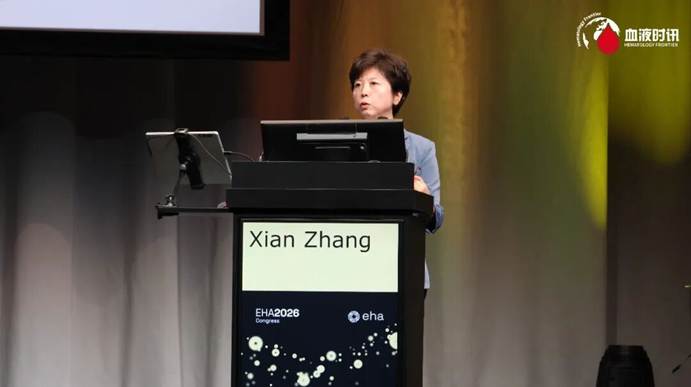
Expert Profile
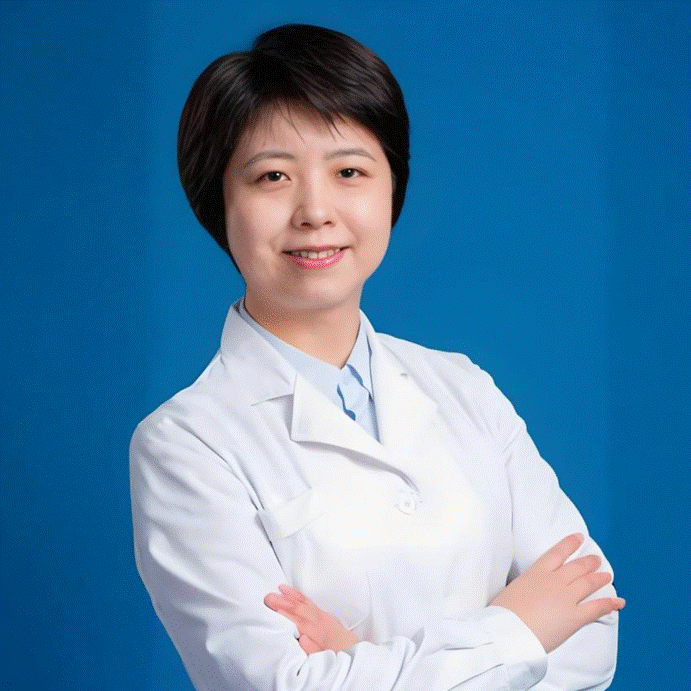
Professor Zhang Xian
Lu Daopei Hospital
Hebei Yanda Lu Daopei Hospital
Director, Department of General Hematology and Immunotherapy I
Chief Physician, MD
Professor Zhang serves as a Committee Member of the Hematology Physicians Branch of the Chinese Medical Doctor Association; Committee Member of the Hematopoietic Stem Cell Transplantation and Cellular Therapy Group under the Hematologic Oncology Committee of the Chinese Anti-Cancer Association; Committee Member of the Cellular Research and Therapy Committee of the Chinese Research Hospital Association; Expert Committee Member of the Human Leukocyte Antigen Committee of the China Blood Transfusion Association; Member of the Leukemia Immunotherapy Collaborative Group of the China Hematology Specialty Alliance; Registered Physician of the CCPAP Program under the China Charity Federation; Committee Member of the Hematologic Malignancies Committee of the Beijing Anti-Cancer Association; Committee Member of the Red Blood Cell Disorders Committee of the Beijing Cancer Prevention and Treatment Society; Committee Member of the Multidisciplinary Lymphoma Care Committee of the Beijing Integrative Medicine Association; and Committee Member of the Lymphoma Committee of the Hebei Society of Hematology.