In March, as spring brings clarity and renewal to Beijing, the 9th Beijing Conference on Thrombosis and Hemostasis, together with the 7th Beijing Hematologic Oncology and Immunology Summit Forum, was convened from March 27 to 28, 2026, marking the 25th anniversary of the Hematology and Immunology Branch of the Chinese Society of Immunology. The conference focused on advances in the diagnosis and management of thrombotic and hemostatic disorders, as well as hematologic malignancies and immunology, with an emphasis on emerging research frontiers and optimization of clinical practice.
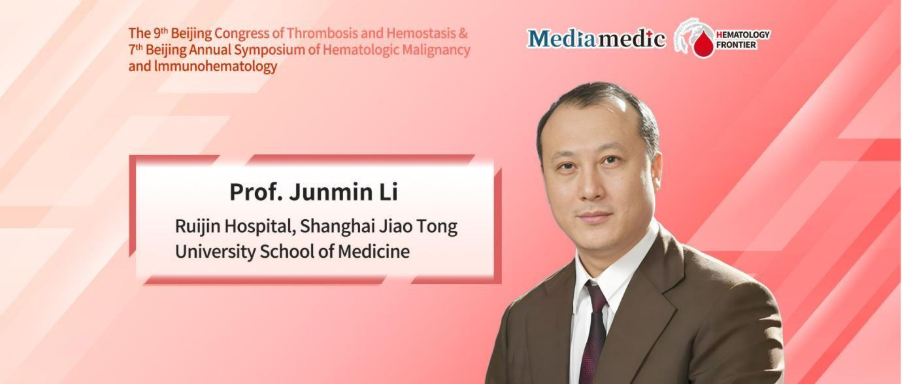
During the meeting, Oncology Frontier – Hematology Frontier invited Professor Junmin Li from Ruijin Hospital, Shanghai Jiao Tong University School of Medicine, to share insights on “Umbilical Cord Blood Therapy for Elderly Patients with Acute Myeloid Leukemia (AML).” Drawing on his team’s long-term research and clinical experience, Professor Li discussed the potential of this strategy to improve immune function, optimize the hematopoietic microenvironment, and enhance survival outcomes, while also offering perspectives on its future clinical application.
Addressing the Therapeutic Challenges in Elderly AML
Oncology Frontier – Hematology Frontier: Elderly patients with AML often present with reduced physiological reserve, multiple comorbidities, and limited tolerance to intensive therapies. Compared with conventional chemotherapy or hematopoietic stem cell transplantation, what unique advantages does umbilical cord blood therapy offer for this population? Can it effectively address current clinical challenges?
Professor Junmin Li: Acute myeloid leukemia is predominantly a disease of older adults, with a median age at onset of approximately 65 to 68 years. At present, long-term survival remains largely constrained by the feasibility of hematopoietic stem cell transplantation. With advancing age, organ function progressively declines, whereas transplantation requires relatively preserved organ function to tolerate conditioning regimens, including myeloablation and lymphodepletion.
As a result, only a limited proportion of elderly patients are eligible for transplantation. Consequently, the global long-term survival rate for elderly AML patients remains in the range of 20% to 30%. In this context, there is an urgent need to explore novel therapeutic strategies that can meet the substantial unmet clinical needs of this population and improve survival outcomes.
Clinical Evidence and Mechanistic Insights of Cord Blood Therapy
Oncology Frontier – Hematology Frontier: In the current clinical application of umbilical cord blood therapy for elderly AML, does your team have relevant data or representative cases to share? Could you elaborate on its efficacy, safety, and strategies to reduce post-treatment complications such as infection and graft-versus-host disease?
Professor Junmin Li: Globally, alongside the development of novel low-toxicity targeted agents, increasing attention has been directed toward immunotherapy-based approaches. Umbilical cord blood is rich in immunologically active cells. Based on over a decade of clinical investigation at Ruijin Hospital, we have observed that, in elderly patients, the combination of moderate-intensity chemotherapy—most commonly non-intensive regimens—with umbilical cord blood infusion can approximately double overall survival compared with chemotherapy alone.
The underlying mechanism may involve modulation of the patient’s immune activation status. Cord blood infusion appears to stimulate the residual immune system in elderly patients, enhancing its functional capacity. At the same time, it may help regulate the hematopoietic microenvironment in patients with leukemia, thereby contributing to improved therapeutic outcomes.
Importantly, this approach differs from conventional hematopoietic stem cell transplantation. Rather than serving as a full transplant, it represents a form of cord blood infusion therapy, which may point toward a novel direction in the field of cellular therapies.
Challenges and Future Directions in Clinical Implementation
Oncology Frontier – Hematology Frontier: From the perspective of clinical implementation, what are the current bottlenecks in applying cord blood therapy for elderly AML—such as donor matching, cost, and technical accessibility? How might these challenges be addressed to enable broader patient benefit?
Professor Junmin Li: Despite the availability of conventional chemotherapy and small-molecule targeted agents, including BCL-2 inhibitors, the median overall survival of elderly AML patients remains approximately 18 months, indicating considerable room for improvement. Clinical studies suggest that the addition of cord blood infusion to these treatment regimens may increase long-term survival rates to approximately 40%–50%.
In this regard, the first priority is to enhance awareness of this therapeutic approach. Although its precise mechanisms are still under investigation, its clinical benefits have already begun to emerge. This represents a departure from the traditional paradigm of evidence-based medicine, in which mechanistic clarity typically precedes clinical application. It is therefore important to ensure that both clinicians and patients are informed of this potential treatment option.
Furthermore, as more patients receive this therapy, clinicians and researchers will be better positioned to investigate its mechanisms in depth and refine the associated knowledge framework. This iterative process will help drive the continued development of this emerging modality.
With cellular and gene therapies now identified as key priorities in national strategic planning, this field is expected to receive increasing attention and support, further facilitating its advancement and clinical adoption.
Expert Profile
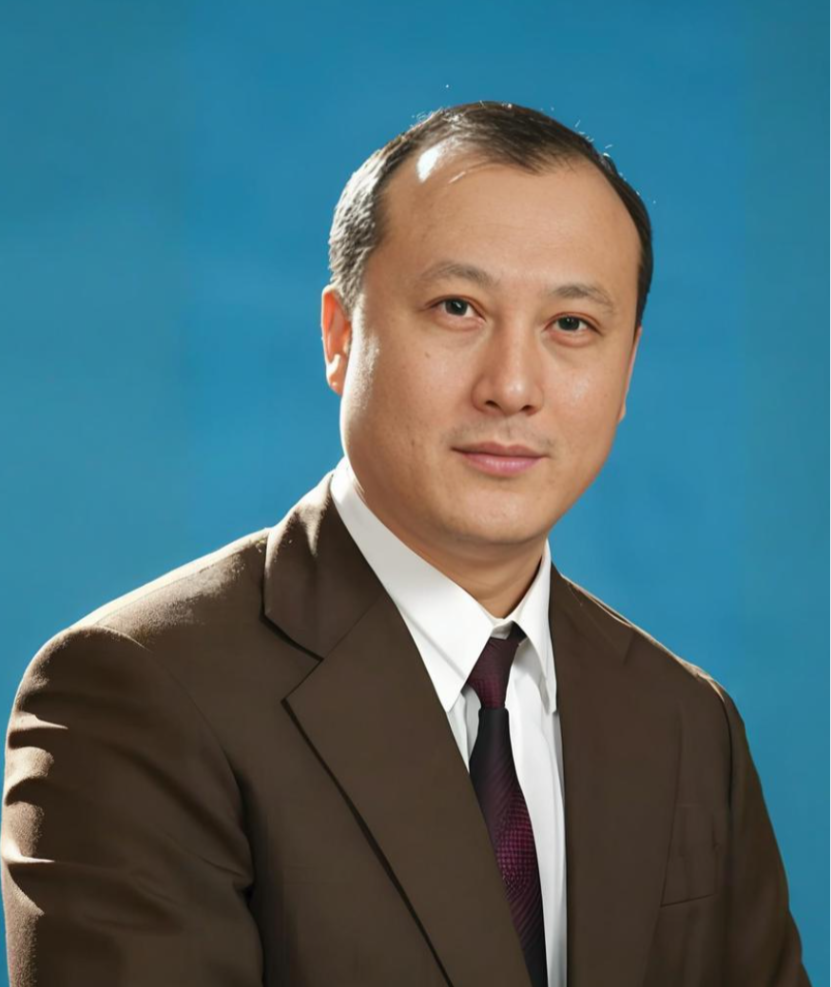
Junmin Li, MD, PhD Chief Physician, Doctoral Supervisor
- Director, Ruijin Hospital, Shanghai Jiao Tong University School of Medicine
- Vice President, Ruijin Hospital Wuxi Branch
- Director, Center for Complex Case Consultation, Ruijin Hospital
- Deputy Director, Shanghai Institute of Hematology
- President, Hematology Branch, Chinese Geriatrics Society
- Vice President, Hematology Branch, China International Exchange and Promotive Association for Medical and Health Care
- Chair, Shanghai Hematologic Oncology Committee, Chinese Anti-Cancer Association
- Principal Investigator of a National Key Project on mRNA Cancer Vaccines