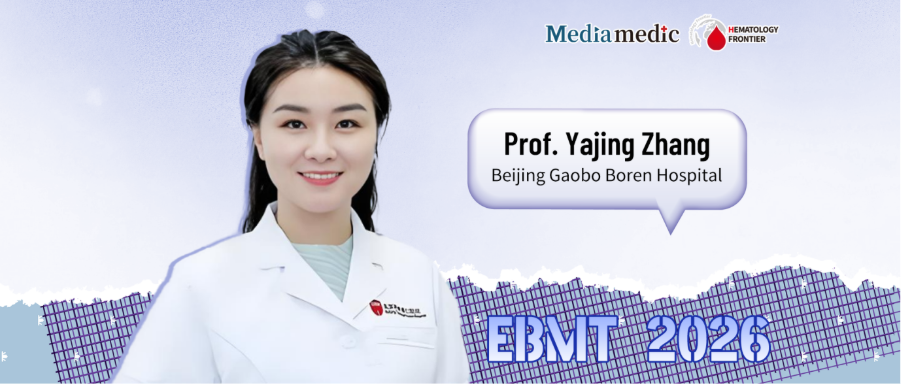
The 52nd Annual Meeting of the European Society for Blood and Marrow Transplantation (EBMT) was held from March 22 to 25, 2026, in Madrid, Spain. As one of the most influential international conferences in hematology, EBMT brings together experts worldwide to discuss cutting-edge advances in hematopoietic stem cell transplantation and cellular therapy. In this issue, we present a study titled “Restoring T-cell Fitness and Improving Anti-CD19 CAR-T Expansion in Bendamustine-Exposed R/R B-NHL”, conducted by Dr. Fangfang Cheng under the leadership of Professor Yajing Zhang from Beijing Boren Hospital, Gaobo Medical Group.
Background
Bendamustine is widely used in the treatment of relapsed/refractory B-cell non-Hodgkin lymphoma (R/R B-NHL). However, prior studies have shown that exposure to bendamustine is closely associated with long-term T-cell dysfunction. This impairment negatively affects both the manufacturing quality and in vivo expansion of autologous CAR-T cells, ultimately compromising therapeutic efficacy.
To address this challenge, the study explored a sequential immunomodulatory strategy. The approach aimed to improve T-cell fitness before leukapheresis and enhance CAR-T expansion after infusion, thereby deepening clinical responses.
Methods
This was an investigator-initiated, single-center exploratory study involving seven adult patients with R/R B-NHL who had received bendamustine within the previous three months. The median age was 59 years (range 48–76). Disease subtypes included diffuse large B-cell lymphoma (DLBCL, n=4), transformed follicular lymphoma (tFL, n=1), mantle cell lymphoma (MCL, n=1), and Richter transformation (n=1). Patients were enrolled between March 2024 and December 2025.
The treatment consisted of three sequential phases.
Before leukapheresis, patients received 1–2 cycles of ibrutinib (420–560 mg daily) combined with camrelizumab (200 mg every 3 weeks). This preconditioning phase was designed to restore T-cell function prior to collection.
Following standard lymphodepleting conditioning, patients were infused with autologous anti-CD19 CAR-T cells at a dose of 0.7–1.6 × 10⁶ CAR-positive cells per kilogram.
After infusion, if tolerated, patients received pomalidomide (2–4 mg daily for 14 days starting on day +3) as immune enhancement therapy.
T-cell subsets, including naïve T cells (TN), central memory T cells (TCM), and stem cell–like memory T cells (TSCM), were assessed by flow cytometry. CAR transgene levels were monitored by qPCR at multiple time points from day 0 to day 28.
Results
All seven patients successfully underwent leukapheresis and CAR-T cell manufacturing, achieving a 100% production success rate. After pre-leukapheresis immunomodulation, there was a marked increase in less differentiated T-cell subsets, including TN, TCM, and TSCM, along with a significant reduction in exhausted PD-1-positive T cells.
CAR-T expansion peaked at a median of day 11 post-infusion. Peak expansion levels (Cmax) ranged from 38,101 to 108,661 copies per microgram of genomic DNA.
In terms of efficacy, the best overall response rate reached 85.7% (6 out of 7 patients), with a complete response rate of 71.4% (5 out of 7 patients). At a median follow-up of nine months, the six-month progression-free survival rate was 57%.
The treatment was generally well tolerated. Five patients developed cytokine release syndrome (CRS), all of which were grade 1–2. No grade ≥3 CRS, no ICANS, and no treatment-related deaths were observed. Hematologic toxicity was manageable, with grade 3–4 neutropenia occurring in 57% of patients.
Conclusion
In heavily pretreated patients with R/R B-NHL previously exposed to bendamustine, this sequential strategy—combining pre-leukapheresis immunomodulation with post-infusion immune enhancement—demonstrated favorable feasibility and safety.
The approach effectively reversed T-cell exhaustion, improved T-cell subset composition, and enhanced in vivo CAR-T expansion, leading to high initial response rates in a poor-prognosis population. These promising early findings have potential translational value, although they require validation in larger prospective studies.
Expert Profile
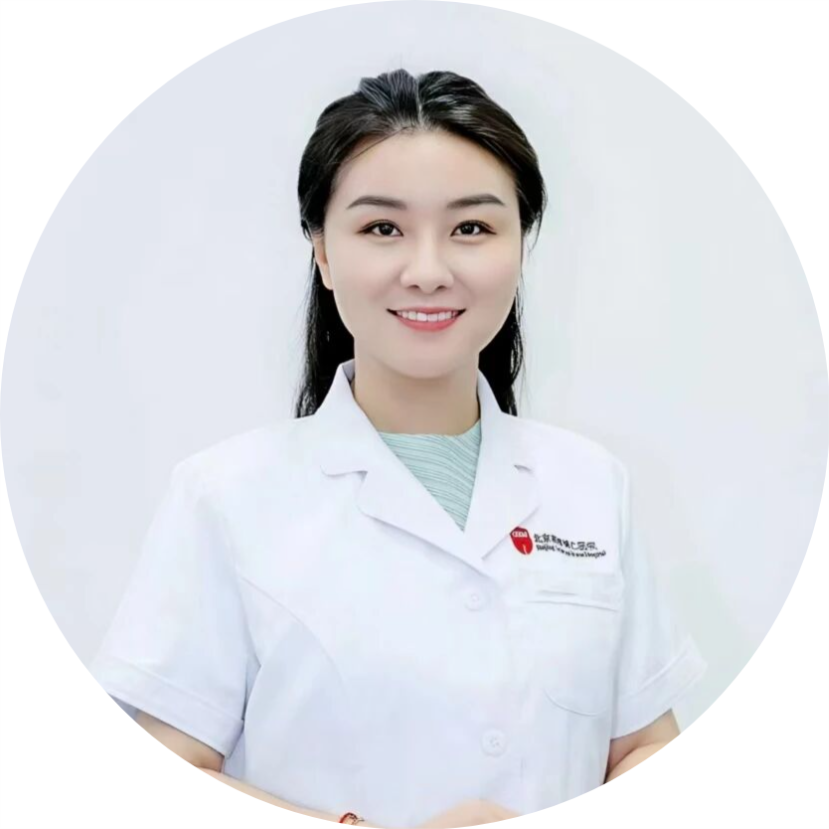
Professor Yajing Zhang Beijing Boren Hospital, Gaobo Medical Group
Professor Zhang is Director of the Oncology & Immunology Innovation Center at Beijing Boren Hospital and a Chief Physician. She also serves as a master’s supervisor at China Pharmaceutical University. She holds an MD and has completed postdoctoral training.
Her research focuses on the clinical application and translational development of cellular and immunotherapies in oncology and autoimmune diseases. She has led six national and provincial-level research projects, including grants from the National Natural Science Foundation of China.
As first or corresponding author, she has published extensively in leading journals such as Blood, Leukemia, Journal of Experimental Medicine (JEM), and Signal Transduction and Targeted Therapy, with a cumulative impact factor exceeding 140. She has received multiple awards, including the 2023 Outstanding Paper Award from JEM and major national and regional science and technology prizes.
Professor Zhang holds numerous academic positions across national societies in oncology, hematology, and cellular therapy, and serves on editorial boards and expert committees related to cancer and immunotherapy.