From “following evidence” to “creating evidence”, clinical research in breast cancer in China is entering a deep phase of high-quality development. Within the grand framework of precision medicine, industry-sponsored trials (ISTs) may serve as the gateway for innovative drugs to enter clinical practice, but investigator-initiated trials (IITs) are the master key to solving the “last mile” problems of real-world clinical application.From precision treatment in specific patient subgroups to optimization of treatment duration and sequencing, IITs—by virtue of their flexibility and clinical relevance—are filling numerous unmet clinical needs. In some cases, they have even become a driving force behind updates to authoritative guidelines and improvements in China’s clinical practice standards.
Opportunities, however, come with challenges. How can investigators bridge the gap between ideas and execution? How can data quality be ensured so that “Chinese data” become internationally recognized “Chinese evidence”? And for early- and mid-career clinicians with limited resources, how can one identify a feasible research entry point amid heavy clinical workloads?
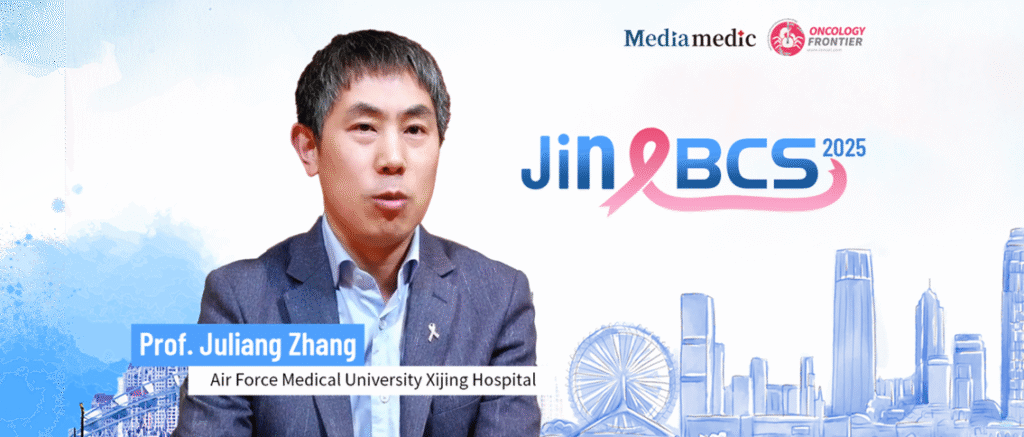
At the 2025 Tianjin International Breast Cancer Conference, Oncology Frontier invited Professor Zhang Juliang from Xijing Hospital of Air Force Medical University for an in-depth discussion on the unique value of IITs in advancing clinical practice.
Q1
Oncology Frontier:** As one of the key advocates of IIT research in breast cancer in China, how do you view the distinct roles of investigator-initiated trials compared with industry-sponsored trials in driving clinical progress? What unique value does this “China-style” research model bring to our breast cancer care system?
Professor Zhang Juliang: In current clinical research, we generally divide studies into two core categories. One is the well-known industry-sponsored registration trials (ISTs), and the other is the increasingly valued investigator-initiated trials (IITs).
There is no doubt that ISTs play a foundational role in drug development. They primarily address whether a novel therapy can enter clinical practice and receive regulatory approval for specific indications. However, once a drug is approved and widely used, numerous unanswered questions inevitably arise in real-world clinical settings.
For example:
- Are there more precise treatment strategies for specific patient subgroups?
- When multiple drugs are available, what is the optimal combination or sequencing strategy?
- What is the most appropriate duration of therapy?
- How can adverse events be managed more precisely in complex patient populations?
These questions originate directly from frontline clinical practice and are closely tied to patient benefit. They often fall outside the scope of registration trials and instead require clinician-led IITs to generate evidence.
For this reason, IITs have become an indispensable component of the clinical evidence ecosystem. Encouragingly, we are seeing more and more authoritative guidelines revised or refined based on high-quality IIT data. This has irreplaceable strategic value in addressing real clinical pain points, standardizing care, and genuinely improving clinical outcomes.
Q2
Oncology Frontier:** Despite their importance, IITs still face many systemic challenges in practice. In your view, what are the most urgent “bottlenecks” that need to be addressed in China—particularly in study design and high-quality data generation?
Professor Zhang Juliang: If we are honest about real-world practice, we must acknowledge that many centers still lack a clear understanding of IITs or struggle with effective implementation. The reasons are multifactorial. Heavy clinical workloads and fragmented time are certainly objective barriers, but at a deeper level, the issue often lies in insufficient recognition of the value of clinical research.
Fortunately, this situation is improving. More centers are realizing that IITs are not merely tools to answer clinical questions, but key drivers of disciplinary development.
To overcome current bottlenecks, I believe efforts should focus on three dimensions:
- Conceptual transformation Departments and hospitals must establish a shared mindset that research drives clinical progress, fostering an academic culture that encourages exploration and questioning.
- Bridging the gap from idea to execution Many clinicians have excellent research ideas but abandon them due to perceived resource limitations or operational complexity. My advice is: Don’t be intimidated by difficulties, and don’t chase grand narratives. A “small-step, fast-run” approach works well—start with single-center studies or moderate sample sizes, and build confidence through practice.
- Data management and quality control (the most critical factor) Many studies fail not because of weak ideas, but due to poor data quality and loss of key information. Professional, end-to-end data management is essential. Only with rigorous quality control standards can research results withstand scrutiny and earn credibility.
Q3
Oncology Frontier:** Based on your experience with IITs, what practical advice would you give to early- and mid-career clinicians who want to embark on clinical research? Where should they begin, and what types of support should they prioritize?
Professor Zhang Juliang: Early- and mid-career clinicians may have limited resources or academic influence, but this does not prevent them from conducting high-quality clinical research. The key is to identify the right entry point.
I strongly encourage clinicians to look for meaningful questions in everyday practice, especially subtle differences between Chinese clinical practice and international standards. These may involve:
- Fine-tuning commonly used drug regimens
- Optimizing treatment duration
- Refining surgical techniques or perioperative management
Such details often conceal valuable scientific questions.
A classic example is the question of whether routine skin preparation is necessary before appendectomy. It began as a minor clinical doubt and ultimately generated high-level evidence that changed standard practice. Similarly, young clinicians can start by solving a small but meaningful problem.
Designing prospective real-world studies, single-arm trials, or small controlled studies can help build methodological skills and research competence, laying the foundation for future multicenter projects.
If one lacks independent decision-making authority, it is essential to actively seek support from the department and institution. Present well-reasoned, scientifically sound proposals through internal review mechanisms. At the same time, strict adherence to ethical and regulatory requirements is mandatory.
Finally, clinicians should learn to communicate with sponsors—much like applying for research grants—by clearly articulating the scientific value and clinical relevance of their studies. With persuasive and transparent communication, it is possible to integrate resources from multiple stakeholders and ensure successful study implementation.
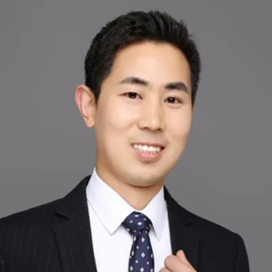
Professor Zhang Juliang