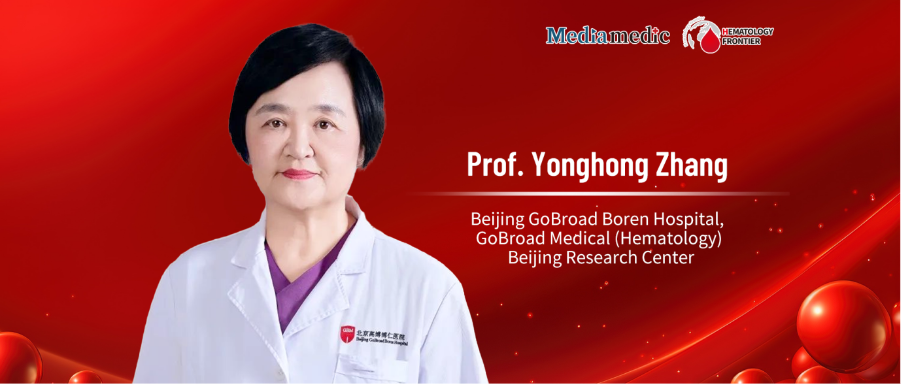
For many years, the treatment of pediatric lymphoma has been challenged by marked variability in therapeutic response and poor outcomes in relapsed or refractory cases. Under the leadership of Professor Zhang Yonghong, his team has driven the development of standardized and precision-based treatment strategies through long-term research and clinical innovation. In particular, they have achieved major breakthroughs in the management of relapsed and refractory pediatric lymphoma. By integrating molecular biology–based risk stratification and pioneering the application of CAR-T therapy, the team has significantly improved treatment outcomes, elevating the overall standard of pediatric lymphoma care in China. In this issue, Hematology Frontier invited Professor Zhang Yonghong to share insights into his team’s exploration and innovation in precision diagnosis and treatment of pediatric lymphoma, as well as his perspectives on future directions. Traditional treatment approaches—such as intensive chemotherapy, hematopoietic stem cell transplantation, and radiotherapy—show highly variable efficacy across pediatric lymphoma patients. How do you individualize and refine risk stratification based on tumor biology, early treatment response, and patient-specific factors? What explorations has your team undertaken, and how have these efforts impacted pediatric lymphoma care in China?
Professor Zhang Yonghong: Over the past two decades, we have made substantial progress in the treatment of pediatric lymphoma. In frontline therapy, our approach has evolved from reliance on single modalities such as chemotherapy or radiotherapy toward internationally standardized regimens, while simultaneously developing treatment strategies tailored to Chinese pediatric patients. Through continuous optimization, we established a refined, stratified management system based on pathological subtype, risk factors, and molecular characteristics. Individualized treatment protocols were developed accordingly, with a gradual reduction in the use of radiotherapy and a shift toward combination chemotherapy supplemented by targeted therapies.
As a result, treatment outcomes have improved dramatically. Overall cure rates increased from less than 50% twenty years ago to 70–80%, and further rose to over 90% following the incorporation of molecular stratification and targeted therapies.
To extend the experience of a single center—Beijing Children’s Hospital—nationwide, we initiated the National Children’s Lymphoma Collaborative Group in 2017. Over the past eight years, the group has expanded to 48 member institutions, encompassing most major pediatric and tertiary hospitals across China. Nearly 4,000 patients have been enrolled through the collaborative platform. Data analysis over seven years shows that overall outcomes across participating centers improved by more than 20%, exceeding our initial target of a 10–15% improvement. Cure rates now exceed 80% for B-lymphoblastic lymphoma, T-lymphoblastic lymphoma, and anaplastic large cell lymphoma, and surpass 90% for Burkitt lymphoma and Hodgkin lymphoma. These results have reached an internationally leading level and gained broad recognition.
Relapsed and refractory pediatric lymphoma is highly heterogeneous, involving diverse cellular origins, pathological subtypes, and relapse patterns. Traditional therapies often yield poor disease control. How do you view the limitations of these approaches, and what biological mechanisms underlie treatment failure? What explorations has your team conducted in response?
Professor Zhang Yonghong: Despite optimized frontline therapy achieving cure rates of 80–90%, approximately 10–15% of patients still enter the relapsed or refractory stage, where prognosis is extremely poor. For example, relapsed T-lymphoblastic lymphoma has a response and survival rate of only about 14%, consistent with both international data and our own experience. Early relapsed or progressive Burkitt lymphoma has an almost zero survival rate, and even late relapse yields long-term survival below 20%. Re-treatment with conventional chemotherapy—even second- or third-line regimens—rarely results in cure.
This has compelled us to pursue fundamentally new strategies. Since 2017, at Boron Hospital, we have conducted in-depth investigations into both the causes and treatment of relapsed and refractory disease.
At the diagnostic level, we identified a substantial rate of misdiagnosis in earlier years. Through integrated diagnostics—combining morphology, immunophenotyping, and genomic testing—and mandatory central pathology review within our collaborative group, diagnostic error rates were reduced from over 30% to below 10%.
At the molecular level, we identified multiple high-risk genetic abnormalities, particularly in T-lymphoblastic lymphoma, including mutations in PTEN, CREBBP, LYST, and TP53. We also made the novel observation that while NOTCH mutations correlate with favorable prognosis, NOTCH fusion genes are strongly associated with poor outcomes—an insight first reported by our team at an international meeting in 2024. In addition, we revealed the role of germline genetic defects in immune dysfunction and DNA repair, contributing to treatment failure and multiple relapses in children.
Therapeutic Innovation and Outcome Improvement
1. CAR-T Therapy for Burkitt Lymphoma
Historically, combined chemotherapy and transplantation achieved cure rates of only 10–20% in relapsed or refractory patients. We were the first globally to apply CAR-T therapy to Burkitt lymphoma in 2017. Initial responses were partial, but by introducing sequential CAR-T therapy with different targets, we dramatically improved outcomes. Approximately 60% of patients achieved remission after the first infusion, 80–90% after two infusions, and a small minority required three.
We also developed Faster CAR-T, with vein-to-vein time under one week—critical for rapidly progressive Burkitt lymphoma. In a phase I cohort of 23 patients, the overall response rate reached 86%, with 78% maintaining durable remission at a median follow-up of 18 months. To date, over 100 children with relapsed or refractory Burkitt lymphoma have been successfully treated.
2. Integrated Management of T-Lymphoblastic Lymphoma
T-lymphoblastic lymphoma accounts for approximately 26% of pediatric non-Hodgkin lymphoma in China. For relapsed or refractory cases, we implemented a comprehensive strategy combining second-line chemotherapy, CAR-T therapy, and allogeneic stem cell transplantation when feasible. Through this individualized approach, the 3-year survival rate in more than 50 children reached 64%, and rose to 72% among those achieving complete remission before transplantation—an extraordinary improvement over historical outcomes.
When introducing international treatment protocols, how did you adapt them to the specific characteristics of Chinese pediatric patients? What practical efforts have you made to advance pediatric lymphoma care nationwide?
Professor Zhang Yonghong: Early attempts to directly adopt international protocols resulted in poor tolerance and severe toxicities among Chinese patients. Pharmacogenetic studies revealed significant differences in drug metabolism—for example, higher toxicity with high-dose methotrexate and reduced tolerance to 6-mercaptopurine due to slow-metabolizer genotypes prevalent in Chinese populations. We therefore individualized dosing based on genetic and clinical factors, optimized infusion schedules to accommodate healthcare resource constraints, and reduced long-term toxicity while preserving efficacy. These adapted protocols have proven highly successful over more than a decade of clinical practice.
What message would you like to convey to families facing relapsed or refractory disease, and what are your expectations for the next 5–10 years in pediatric lymphoma treatment?
Professor Zhang Yonghong: Although many challenges remain, progress in targeted therapy, ADCs, immune modulation, and CAR-T technology is accelerating. The key lies in precise application—integrating molecular diagnostics to identify actionable pathways and selecting the most effective therapies for each child. Expanding pediatric clinical trials, supported by policy and industry commitment, is essential to ensure children benefit from innovations already available to adults. With continued multidisciplinary collaboration and the integration of AI-assisted decision support, I am confident that outcomes for relapsed and refractory pediatric lymphoma will continue to improve.
Expert Profile
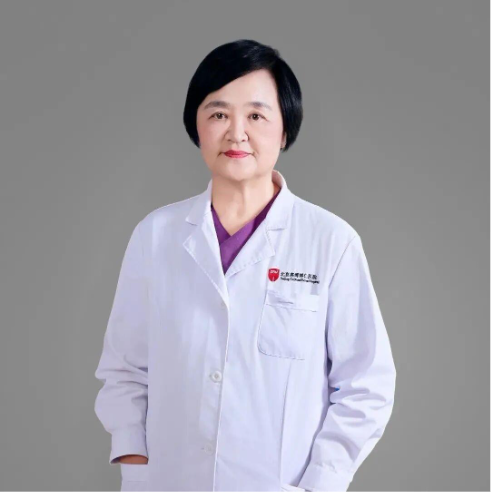
Professor Zhang Yonghong
Beijing Gobroad Boren Hospital / Gobroad Medical Research Center Chief Physician, Professor
Medical Director of Beijing Gobroad Boren Hospital Former Director, Lymphoma Department, Beijing Children’s Hospital
With over 42 years of experience in pediatric hematologic malignancies, Professor Zhang founded the pediatric lymphoma program at Beijing Children’s Hospital and currently leads the China National Children’s Lymphoma Collaborative Group (CNCL)—the largest pediatric lymphoma consortium in China. His work has brought national outcomes to an internationally advanced level.