

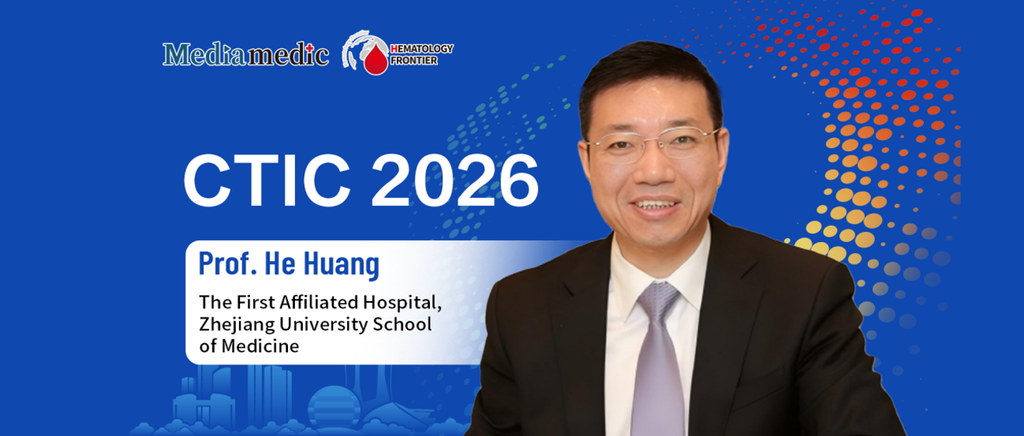
CTIC 2026 Chair Interview | Professor He Huang: Driving Innovation Through a Global Perspective and Advancing Development Through Clinical Breakthroughs
Gathering in Qiantang to Discuss Ideas and Shape the Future. From November 6 to 8, 2026, the 2026 Cellular Therapy and Immunotherapy Conference (CTIC 2026) was successfully held in Hangzhou. With a global perspective, the conference brought together leading experts and scholars from China and abroad to explore cutting-edge areas, including cell therapy, gene therapy, AI-enabled hematology, and industrial translation. Participants discussed clinical challenges and explored pathways toward high-quality development in the field. During the conference, Oncology Frontier – Hematology Frontier invited Professor He Huang, Conference Chair, from the First Affiliated Hospital of Zhejiang University School of Medicine, for an in-depth discussion on the conference's academic positioning, clinical challenges in cellular immunotherapy and hematopoietic stem cell transplantation, and the development of young professionals.
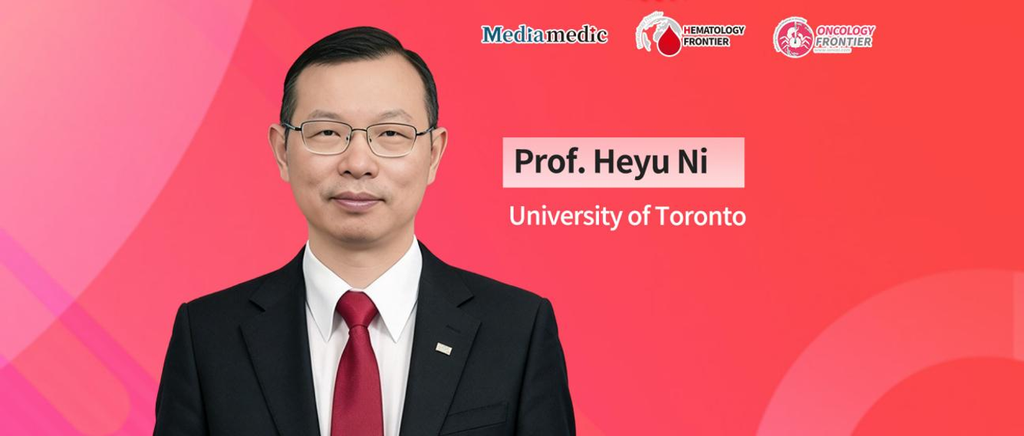
Professor Heyu Ni: New Insights into the Mechanisms of Drug-Induced Thrombocytopenia

Drug-induced thrombocytopenia (DITP) is a rare but potentially serious adverse reaction encountered in clinical practice. Its pathogenesis is complex, diagnosis is challenging, and treatment options remain limited. In recent years, advances in our understanding of immune regulation have led to important progress in this field. Oncology Frontier – Hematology Frontier invited Professor Heyu Ni of the University of Toronto, Canada, to discuss recent findings from his team's research on heparin-induced thrombocytopenia (HIT) and atorvastatin-induced thrombocytopenia. He shares new insights that extend beyond hemostatic homeostasis to encompass immune regulation, as well as the potential for clinical translation.
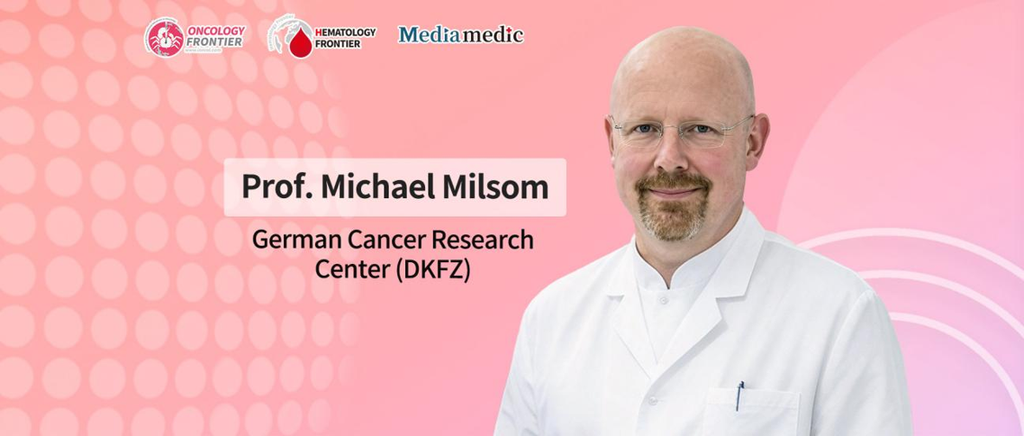
2026 IFSC | Professor Michael Milsom on Inflammation-Driven Hematopoietic Aging and Clonal Hematopoiesis: From Mechanisms to Opportunities for Intervention
Basic stem cell research, regenerative medicine, cell therapy, and the clinical application of research guidelines are among the most closely watched frontier areas in global hematology and regenerative medicine. Centered on these topics, The 10th International Forum on Stem Cells (IFSC) brought together leading experts and scholars from around the world to explore scientific discoveries and technological innovations, showcase the latest advances in basic, clinical, and translational research on hematopoietic stem cells, and promote collaborative innovation in the global stem cell field.
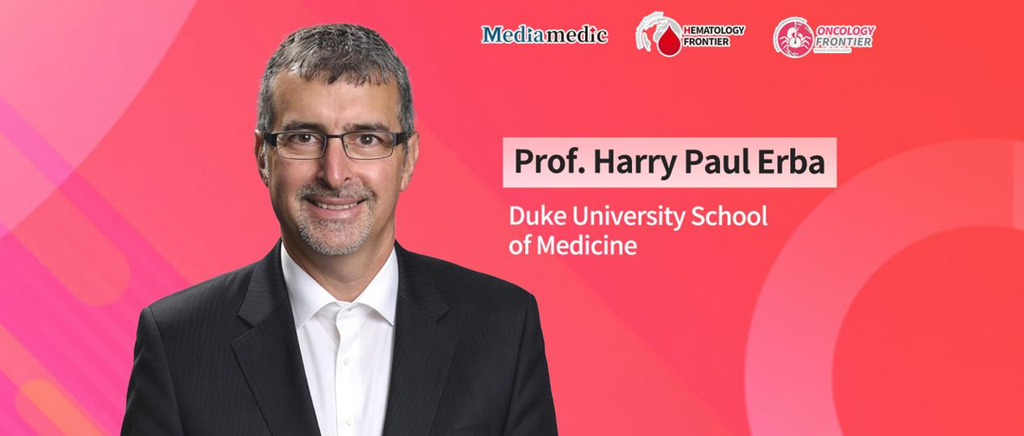
Prof. Harry Paul Erba: Focusing on Precision Therapy for FLT3-Mutated AML and Exploring Resistance Management and MRD-Guided Strategies
With the growing adoption of targeted therapies including FLT3 inhibitors and menin inhibitors in the treatment landscape of acute myeloid leukemia (AML), optimizing therapeutic strategies, overcoming secondary resistance, and delivering precision care have emerged as key clinical priorities. Meanwhile, the value of measurable residual disease (MRD) monitoring is increasingly recognized in treatment response assessment, transplantation decision-making, and maintenance therapy.
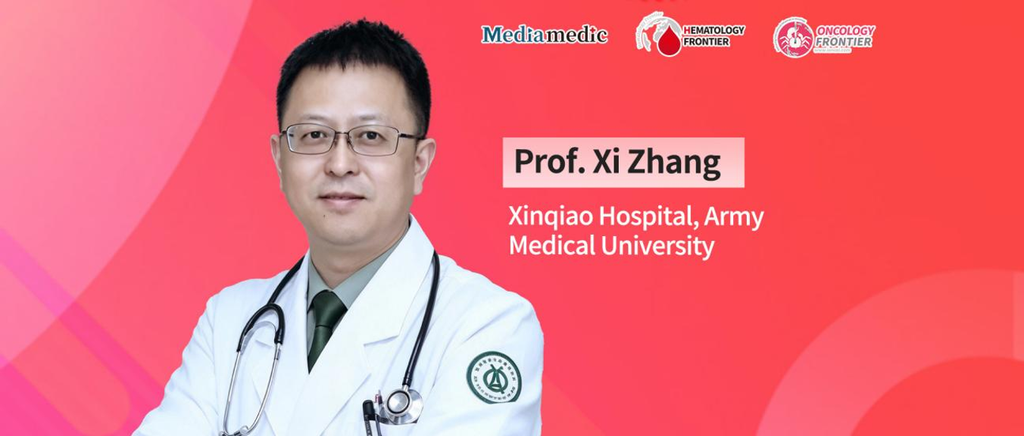
Professor Xi Zhang: Unmet Clinical Needs in Chronic GVHD in China and Strategies to Address Them
Allogeneic hematopoietic stem cell transplantation is an important potentially curative treatment for hematologic diseases. However, chronic graft-versus-host disease (GVHD), a common post-transplant complication, continues to have a substantial long-term impact on patients' quality of life. In China, significant clinical challenges remain in understanding the underlying mechanisms of the disease, achieving accurate diagnosis, implementing risk-stratified treatment, and providing long-term management.
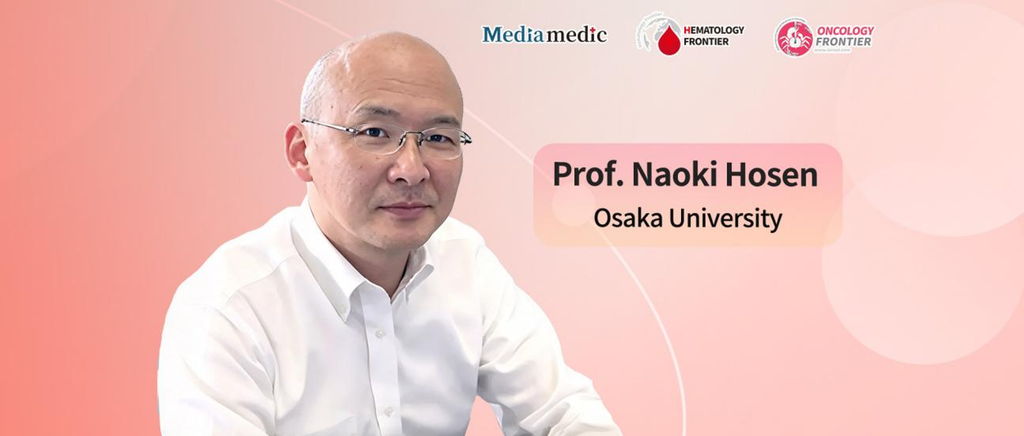
2026 IFSC | Professor Naoki Hosen Explores Novel Targets for Cell Therapy in Hematologic Malignancies: Balancing Efficacy and Safety and Advancing from CAR-T to CAR-NK
Basic stem cell research, regenerative medicine, cell therapy, and the application of clinical research guidelines are currently among the most closely watched frontiers in global hematology and translational medicine. With these topics at its core, the 10th International Forum on Stem Cells (IFSC) was successfully held, bringing together leading experts and scholars from around the world to explore scientific discoveries and technological innovation. The forum showcased the latest advances in basic, clinical, and translational research on hematopoietic stem cells, with the aim of promoting collaborative innovation in the global stem cell field. During the conference, Oncology Frontier – Hematology Frontier invited Professor Naoki Hosen of Osaka University, Japan, to share his latest research findings and academic perspectives on "Beyond CD19/BCMA: An Overview of Novel Targets for CAR-T and NK Cell Therapy in Hematologic Malignancies." The key insights are presented below.